You know that kind of day.
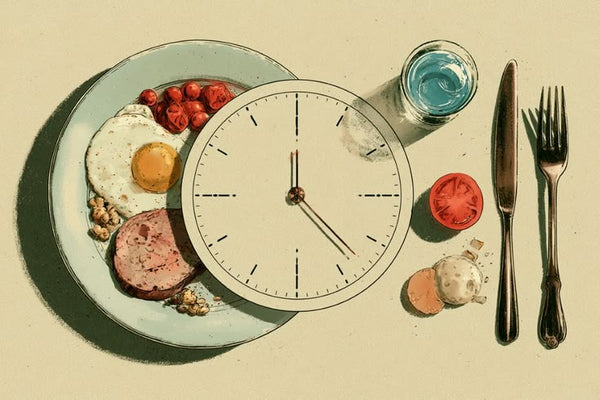
You wake up already thinking about work. Breakfast is rushed, lunch happens somewhere between two meetings, your coffee keeps getting refilled, and by 7 pm you are either reaching for something sweet or wondering why you feel completely drained.
Stress does not just live in your mind. It can influence appetite, sleep, digestion, energy levels and the way you respond to food. And while no single food can switch off stress, the right foods can give your body the nutrients it needs to support the nervous system, energy metabolism and a healthier stress response.
So, what should you actually eat?
Here are 6 practical stress relieving foods worth bringing into your everyday diet.
1. Dark leafy greens
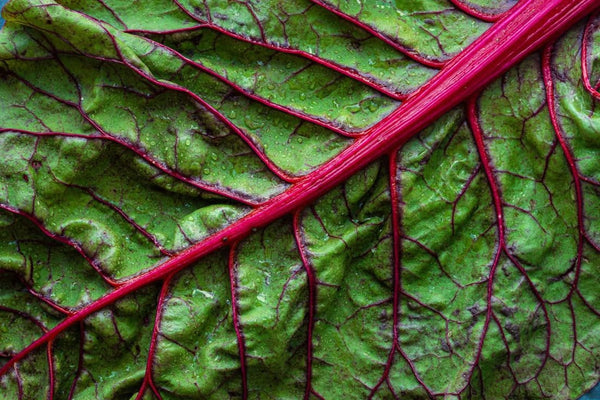
Think spinach, methi, amaranth and other leafy greens.
They provide magnesium, folate, potassium, vitamin K, carotenoids and other plant compounds. Magnesium is involved in hundreds of enzymatic reactions, including those involved in energy metabolism, muscle and nerve function. Folate is also important for normal cell division and the metabolism of one-carbon compounds involved in numerous cellular processes.
The connection: Stress does not mean you suddenly need enormous amounts of magnesium or folate. But when meals become irregular or heavily reliant on convenience foods, it becomes easier to fall short on micronutrient-rich foods. Leafy greens are an easy way to keep these nutrients in your diet.
Try this: Add spinach to dal, make a palak chilla, sauté greens with eggs, or add methi to your regular roti dough.
2. Nuts and seeds
Almonds, pumpkin seeds, walnuts, chia seeds and flaxseeds are particularly useful when you need something quick and satisfying.
Pumpkin seeds and almonds provide magnesium. Walnuts, chia and flaxseeds provide alpha-linolenic acid, or ALA, a plant-based omega-3 fatty acid. Nuts and seeds also provide protein, fibre and unsaturated fats.
The connection: Stressful days often turn snacking into a cycle of being hungry, grabbing something quick, and then feeling hungry again soon after. The combination of protein, fibre and fat in nuts and seeds makes them more sustaining than many refined snack foods. Magnesium also has an important role in normal nervous system function, although that does not mean eating more magnesium automatically reduces stress.
Magnesium supplementation has been studied in relation to anxiety and stress, but the evidence is not strong enough to treat magnesium supplements as a standalone solution. Food-first sources remain a sensible place to start.
Try this: Keep a small portion of mixed nuts and seeds at work. Pair them with fruit or curd when you need a more substantial snack.
3. Fatty fish
Salmon, sardines, mackerel and other oily fish are rich sources of the omega-3 fatty acids EPA and DHA.
EPA and DHA are structural components of cell membranes and are particularly abundant in the brain. They are also involved in cell signalling and the production of lipid mediators involved in regulating inflammatory processes.
The connection: Your brain is highly dependent on fatty acids for its structure and function. Research is also investigating whether increasing omega-3 intake can influence mood and anxiety-related outcomes. Some studies show potential benefits, but the evidence is not strong enough to describe omega-3s as a treatment for stress or anxiety.
One important distinction: rohu is nutritious fish, but it is not considered an oily fish and is not comparable to salmon or sardines as a source of EPA and DHA.
Try this: If you eat fish, include oily fish such as sardines, mackerel or salmon regularly. Two servings of fish a week is a useful general target, with at least one serving from oily fish.
Vegetarian? Walnuts, chia and flaxseeds provide ALA. Your body can convert ALA into EPA and DHA, but the conversion is limited, so ALA is not nutritionally equivalent to obtaining EPA and DHA directly from fish.

4. Curd and fermented foods
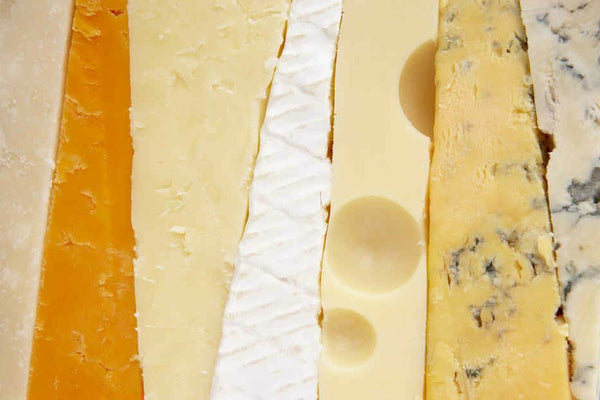
Your everyday bowl of curd can contribute protein, calcium and other nutrients, while live-culture fermented foods can introduce beneficial microorganisms.
The gut and brain communicate through multiple pathways, including neural, immune, endocrine and metabolic signalling. This is why researchers are increasingly interested in the relationship between the gut microbiome, stress, mood and mental wellbeing.
The connection: Stress can influence the gut, and the gut can communicate with the brain. But this does not mean that eating curd will immediately make you feel calmer. The evidence around specific fermented foods and mental health is still developing. What curd does offer is an easy way to add protein and other nutrients to an otherwise simple meal.
Try this: Have plain curd with lunch, use it as the base for raita, or pair it with fruit, oats and seeds for a more substantial snack.
5. Dark chocolate
Good news for anyone who already has dark chocolate in the cupboard.
Dark chocolate with a high cocoa content contains cocoa flavanols and provides some magnesium, iron and other minerals, depending on the product.
Cocoa flavanols have been studied for their effects on vascular function and other aspects of health. Research specifically looking at cocoa, stress and mood is still developing.
The connection: Dark chocolate is not a treatment for stress. But food does not have to be medicinal to have a place in a healthy diet. A small portion can satisfy a craving while contributing some nutrients and plant compounds.
The key is portion size, because chocolate is also energy-dense and many products contain substantial amounts of added sugar.
Try this: Have a few squares of dark chocolate after lunch or alongside your afternoon snack, rather than relying on an entire packet to get you through a stressful afternoon.
6. Eggs
Eggs are one of the simplest ways to add high-quality protein to a meal.
They also provide choline, vitamin B12, vitamin B6, selenium, iodine and other micronutrients. Choline is particularly relevant to brain function because it is used to make acetylcholine, an important neurotransmitter, and is also a component of cell membranes.
The connection: Your brain is metabolically demanding tissue. It needs a consistent supply of energy and nutrients to support normal neurotransmitter production, cellular maintenance and energy metabolism. Protein also supplies amino acids that the body uses to build and maintain tissues and produce many biologically important molecules.
This does not mean that eating eggs directly reduces stress. It means that protein-rich, nutrient-dense foods make it easier to maintain nutritional adequacy when your routine is under pressure.
Try this: Keep boiled eggs ready for breakfast or pair them with roti, vegetables or whole-grain toast for a quick meal. You can also add eggs to a rice bowl or salad when you need something substantial without much preparation.

The bigger picture
The goal is not to eat perfectly when you are stressed.
It is to make it easier to eat regular, balanced meals that provide enough protein, fibre, carbohydrates, healthy fats and micronutrients.
Think less about finding one food that “reduces stress” and more about building meals that support your body while it is dealing with a demanding period.
Because sometimes the most useful nutrition strategy during a stressful week is simply making sure you have eaten.
What about magnesium supplements and Ashwagandha?
This is where it is important not to confuse a nutrient-rich diet with supplementation.
Magnesium supplements may be useful when dietary intake is inadequate or when supplementation is otherwise appropriate. Research suggests magnesium may have a role in anxiety-related symptoms, but the evidence remains limited and heterogeneous.
Ashwagandha has stronger emerging evidence, but it still needs context. Recent systematic reviews of randomized trials have reported reductions in measures of stress, anxiety and cortisol, while also highlighting differences between studies and the need for better-quality research.
So, think of supplements as an additional tool, not a replacement for regular meals, movement, sleep and stress management.
And if you are taking medication, pregnant or breastfeeding, or managing a health condition, speak with a healthcare professional before starting herbal or high-dose supplements.
Key Takeaways
-
Stress relieving foods are not magic cures, but nutrient-dense meals can support normal nervous system and energy metabolism.
-
Prioritise magnesium-rich foods such as leafy greens, pumpkin seeds, nuts and legumes.
-
Include omega-3 sources such as fatty fish, walnuts, chia and flax as part of a balanced diet.
-
Gut-friendly foods such as curd and other fermented foods are promising, but evidence around probiotics and stress remains mixed.
-
Pair better food choices with simple habits such as walking, regular meals, social connection and adequate sleep.
FAQs
1. What foods reduce stress quickly?
There is no food that can instantly eliminate stress. A balanced snack containing protein, fibre and healthy fats can help when stress is accompanied by hunger or an energy slump.
2. What are the best foods that reduce stress and anxiety?
Leafy greens, nuts and seeds, fatty fish, legumes, whole grains, curd, fruits, eggs and dark chocolate are practical nutrient-rich choices.
3. Which foods reduce stress hormones?
No specific food reliably "switches off" stress hormones. A balanced dietary pattern may support a healthier stress response, but cortisol is regulated by complex physiological systems.
4. Does magnesium help with stress?
Magnesium is important for normal nervous system function. Some research suggests magnesium supplementation may help certain anxiety-related symptoms, but evidence remains limited. (PubMed)
5. Should I take magnesium supplements for stress?
Not automatically. Start by assessing your overall diet and individual needs. If supplementation is being considered, discuss the appropriate form and dose with a healthcare professional.
6. Is Ashwagandha good for stress?
Research suggests Ashwagandha may reduce perceived stress and some stress-related measures in certain adults. However, studies vary in formulation, dose and duration, so it should not be treated as a universal solution. [NIH]
7. Does coffee make stress worse?
Caffeine can increase alertness, but high intakes may worsen feelings such as jitteriness or anxiety in some people. If you already feel wired, consider reducing caffeine rather than adding another cup.
8. Is dark chocolate a stress relieving food?
Dark chocolate contains cocoa compounds and some magnesium, but evidence is not strong enough to call it a treatment for stress. A small portion can still fit into a balanced diet.
9. Can skipping meals increase stress?
Severe fasting can temporarily increase cortisol, and skipping meals may also leave some people feeling tired, irritable or excessively hungry. Regular, balanced meals can be a more sustainable approach.
10. What is the best diet for managing everyday stress?
Think less about a "stress diet" and more about a nutrient-dense pattern: vegetables, fruits, whole grains, legumes, nuts, seeds, fermented foods, quality protein and healthy fats. Mediterranean-style dietary patterns have shown promising associations with mental wellbeing and lower perceived stress.

Recommended Products
 Pure Ashwagandha
₹649 – ₹1,298
Pure Ashwagandha
₹649 – ₹1,298
 Triple Magnesium Complex
₹1,259 – ₹2,518
Triple Magnesium Complex
₹1,259 – ₹2,518
 Ultra Strength Magnesium+
₹1,619 – ₹3,238
Ultra Strength Magnesium+
₹1,619 – ₹3,238
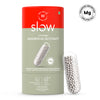 Liposomal Magnesium Glycinate (Chelated) | Pack of 60 Capsules
₹809 – ₹1,618
Liposomal Magnesium Glycinate (Chelated) | Pack of 60 Capsules
₹809 – ₹1,618