


Digestion after 60 feels different. Meals that once felt light may now leave behind heaviness, acidity, bloating or irregular bowel movements. This shift is not random. With age, stomach acid production declines, digestive enzyme output slows, gut motility reduces and microbiome diversity changes.
The result is simple. Nutrient absorption becomes less efficient, and common digestive complaints increase. The good news is equally simple. The right dietary strategy can dramatically improve digestive comfort, nutrient uptake and overall vitality.
If you are searching for foods for digestion seniors, wondering about the best foods for elderly gut health, or looking for a practical diet to improve digestion in elderly naturally, this guide brings science and simplicity together.
Why Digestion Slows Down After 60
Aging impacts the gastrointestinal tract at multiple levels:
-
Reduced hydrochloric acid affects protein breakdown and B12 absorption
-
Lower pancreatic enzyme output influences fat and carbohydrate digestion
-
Slower peristalsis contributes to constipation
-
Changes in microbiome composition increase bloating and gas
This is why senior nutrition digestion requires more intention. It is not about eating less. It is about eating smarter.
1. Fermented Foods That Rebuild Gut Flora

The aging gut benefits immensely from probiotic rich foods.
Include:
-
Yogurt with live cultures
-
Kefir
-
Traditional buttermilk
-
Sauerkraut
-
Kimchi
These foods introduce beneficial bacteria that help rebalance the microbiome, reduce inflammation and support regular bowel movements. If you are asking, what foods improve digestion in seniors over 60, fermented foods sit at the top of the list.
For seniors with lactose sensitivity, kefir and cultured buttermilk are often easier to tolerate due to partial lactose breakdown.
2. Fiber Rich Vegetables For Digestive Comfort

Constipation is one of the most common digestive concerns after 60. Fiber supports bowel regularity, but the type matters.
Best vegetables for elderly gut health:
-
Steamed carrots
-
Bottle gourd
-
Pumpkin
-
Spinach
-
Zucchini
Cooked vegetables are significantly easier to tolerate than raw salads. They provide soluble fiber, which forms a soft gel in the gut, improving stool consistency and supporting beneficial bacteria growth.
When building a diet to improve digestion in elderly naturally, focus on warm, cooked, fiber balanced meals rather than cold, raw heavy plates.
3. Easy To Digest Protein Sources

Protein is essential for muscle preservation, immune strength and metabolic stability, yet it becomes harder to digest with age.
Easy to digest foods elderly should prioritize:
-
Moong dal
-
Soft cooked lentils
-
Eggs
-
Tofu
-
Steamed fish
These proteins require less gastric effort compared to heavy red meats. Pairing protein with digestive spices like cumin, ginger and ajwain can further improve breakdown and absorption.
4. Fruits That Support Gentle Bowel Movement

Certain fruits contain natural enzymes and fiber that help relieve sluggish digestion.
Top choices:
-
Papaya
-
Ripe banana
-
Stewed apples
-
Pears
-
Kiwi
Papaya contains papain, an enzyme that supports protein digestion. Kiwi has been clinically studied for improving bowel regularity. Stewed fruits are particularly helpful as they are softer and easier on aging digestive systems.
For anyone researching foods for digestion seniors, these fruits are functional, not just flavorful.
5. Whole Grains That Do Not Overwhelm The Gut

Whole grains support bowel movement and metabolic health, but selection is critical.
Prefer:
-
Oats
-
Brown rice
-
Millets like foxtail and little millet
-
Quinoa
Oats are especially helpful due to beta glucan, a soluble fiber that supports both cholesterol balance and gut microbiota diversity.
If bloating is common, start with smaller portions and increase gradually.
6. Healthy Fats That Improve Nutrient Absorption

Digestive health is not only about bowel movement. It is also about nutrient absorption. Healthy fats help absorb fat soluble vitamins A, D, E and K.
Include:
-
Cold pressed olive oil
-
Cow ghee in small amounts
-
Soaked almonds
-
Flaxseeds
Balanced fats support smoother bowel transit and reduce inflammation in the gut lining.
7. Hydration and Warm Fluids

Water intake often declines with age, increasing constipation risk. Warm fluids stimulate digestive motility better than chilled beverages.
Helpful additions:
-
Warm water in the morning
-
Herbal infusions
-
Light vegetable soups
Hydration remains a foundational pillar in senior nutrition digestion.
A Sample Diet Plan For Better Digestion After 60

If you are wondering about a structured diet to improve digestion in elderly naturally, here is a simple framework:
Breakfast:
Oats porridge with stewed apple and soaked almonds
Mid morning:
Buttermilk or kefir
Lunch:
Steamed rice, moong dal, cooked vegetables, small salad
Evening:
Papaya or pear
Dinner:
Vegetable soup with soft tofu or egg bhurji
This pattern supports bowel regularity, microbiome balance and nutrient absorption without overwhelming the digestive system.
Foods Seniors Should Limit

Digestive discomfort often worsens with:
-
Highly processed packaged foods
-
Excessively spicy fried meals
-
Carbonated drinks
-
Heavy red meats
-
Refined sugar
Reducing these improves gut resilience significantly.
A Thoughtful Supplement Strategy For Aging Digestion
As digestive physiology evolves with age, nutritional gaps are no longer just about what is eaten but what is effectively absorbed. After 60, lower gastric acid can reduce protein breakdown and vitamin B12 absorption, pancreatic enzyme output may decline, gut motility can slow, and microbiome diversity often narrows.
Together, these changes increase the risk of bloating, constipation, poor nutrient assimilation and compromised gut barrier integrity. Standard probiotic formulas designed for younger adults may not account for these variables. Seniors require targeted strain selection, clinically studied CFU counts, protective delivery systems for probiotic survival, supportive prebiotics to nourish beneficial bacteria, and enzyme support to compensate for reduced digestive efficiency. Thoughtfully engineered formulations help restore microbial balance, strengthen the gut lining, and improve nutrient bioavailability without overwhelming a sensitive system.
One well designed, clean option is Gut Balance by Wellbeing Nutrition and Max Group . It delivers 6 billion CFU of researched Lactobacillus and Bifidobacterium strains via patented Microbac® technology for enhanced survival, alongside inulin, digestive enzymes including clinical grade Actazin®, papain and bromelain, plus L Glutamine to support barrier strength, digestion, and nutrient absorption in a gentle, sugar free format suitable for daily use.
The Bigger Picture
Better digestion after 60 is not about restriction. It is about strategic nourishment. When the gut works efficiently, energy improves, immunity strengthens and even mood becomes more stable.
The right combination of probiotic rich foods, soluble fiber, easy to digest proteins and hydration forms the foundation of the best foods for elderly gut health.
If you have been asking, what foods improve digestion in seniors over 60, the answer lies in simple, consistent dietary shifts rooted in science.
Small changes, repeated daily, restore digestive rhythm. And when digestion improves, everything else follows.
FAQs
1. What are the best foods for elderly gut health after 60?
The best foods for elderly gut health include probiotic rich yogurt and kefir, fiber rich cooked vegetables, oats, soft lentils, papaya, kiwi, and soaked nuts. These foods support microbiome balance, bowel regularity, and nutrient absorption, making them ideal foods for digestion seniors.
2. What foods improve digestion in seniors over 60 naturally?
Fermented foods, soluble fiber vegetables, easy to digest proteins like moong dal and eggs, and enzyme rich fruits such as papaya and kiwi help improve digestion in seniors over 60 naturally without relying heavily on medications.
3. How can seniors relieve constipation through diet?
A diet to improve digestion in elderly naturally should include oats, spinach, pumpkin, pears, adequate hydration, and probiotic foods. Soluble fiber and fluids work together to soften stools and support regular bowel movements.
4. What are easy to digest foods for elderly people with bloating?
Easy to digest foods elderly individuals tolerate well include steamed vegetables, soft cooked lentils, rice, vegetable soups, tofu, eggs, and ripe bananas. Warm, cooked meals are typically gentler than raw or fried foods.
5. Why does digestion slow down after 60?
Aging reduces stomach acid, digestive enzyme production, and gut motility. Microbiome diversity also declines. These changes affect senior nutrition digestion and may lead to bloating, acidity, or irregular bowel movements.
6. Are probiotic foods important for senior gut health?
Yes. Probiotic foods such as yogurt with live cultures, kefir, and fermented vegetables help restore beneficial gut bacteria. They are essential foods for digestion seniors looking to improve gut balance and reduce digestive discomfort.
7. What is the best diet to improve digestion in elderly naturally?
The best diet to improve digestion in elderly naturally focuses on soluble fiber, fermented foods, easy to digest protein, healthy fats, and proper hydration. Consistency and portion control are key for long term digestive comfort.
8. Which fruits are good for digestion in seniors?
Papaya, kiwi, pears, stewed apples, and ripe bananas are excellent fruits for digestion in seniors. They provide natural enzymes and fiber that promote smoother bowel movements and better digestive efficiency.
9. What foods should seniors avoid for better gut health?
Highly processed foods, excessive fried or spicy meals, refined sugar, carbonated drinks, and heavy red meats can worsen bloating and acidity. Limiting these supports better elderly gut health.
10. Do seniors need digestive supplements along with gut friendly foods?
In some cases, yes. Due to reduced enzyme output and microbiome changes, seniors may benefit from clinically formulated probiotic and digestive enzyme support alongside a balanced diet for optimal senior nutrition digestion and nutrient absorption.

Recommended Products
 Acidity Calm | Acid Reflux & Heartburn Relief | For Seniors | 15 Sachets
₹649 – ₹2,596
Acidity Calm | Acid Reflux & Heartburn Relief | For Seniors | 15 Sachets
₹649 – ₹2,596
 Bloat Calm | Bloating & Gas Relief | For Seniors | 15 Sachets
₹649 – ₹2,596
Bloat Calm | Bloating & Gas Relief | For Seniors | 15 Sachets
₹649 – ₹2,596
 Consti Calm | Constipation Relief & Digestive Comfort | For Seniors | 20 Sachets
₹949 – ₹3,796
Consti Calm | Constipation Relief & Digestive Comfort | For Seniors | 20 Sachets
₹949 – ₹3,796
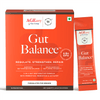 Gut Balance | Leaky Gut & Microbial Balance | For Seniors | 15 Sachets
₹749 – ₹2,996
Gut Balance | Leaky Gut & Microbial Balance | For Seniors | 15 Sachets
₹749 – ₹2,996



Leave a comment