Unlock Your Health: The Benefits of Walking 10,000 Steps Daily
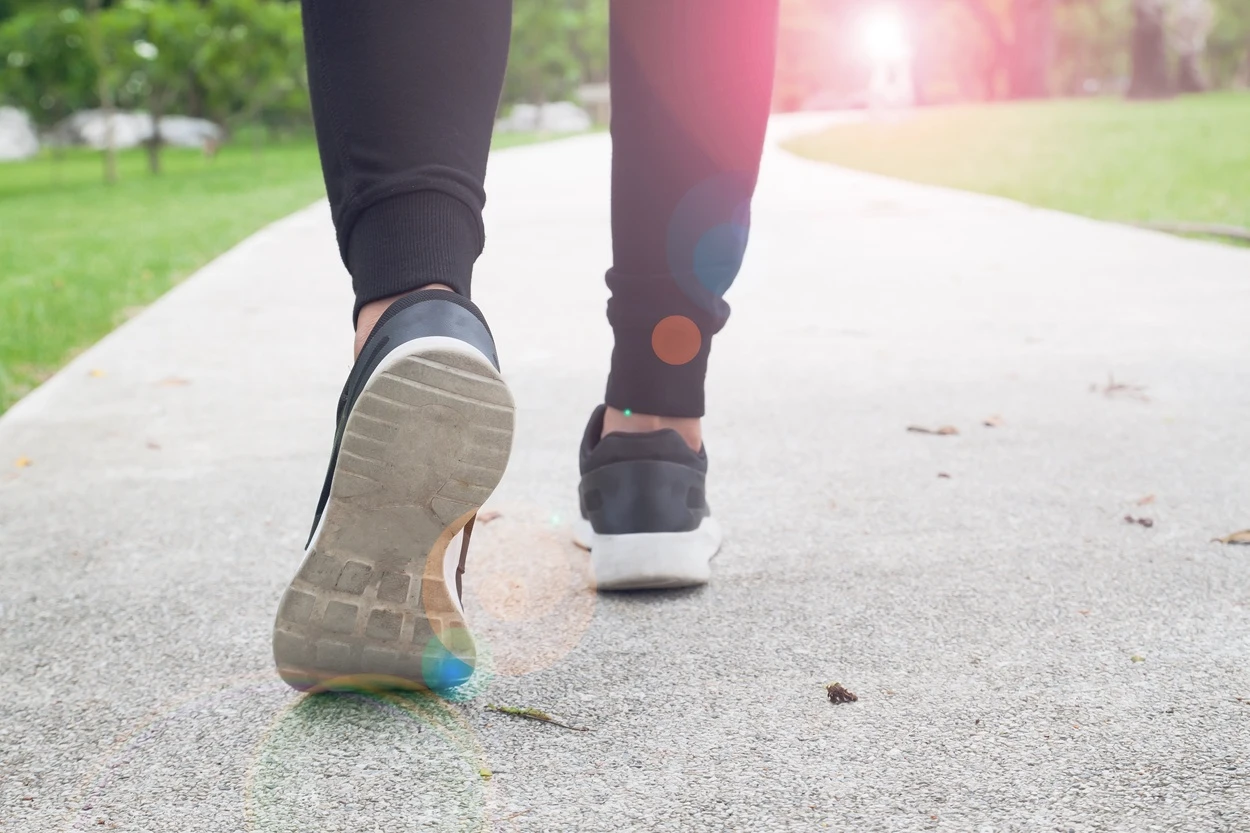


Walking is a simple form of physical activity that can fit into work, travel, and home routines. This guide explains what are the health benefits of walking 10000 steps daily, how long it may take, and how to adapt the goal to your needs. By the end of this guide, you will understand how daily walking supports cardiovascular health, weight management, joint health, and mental wellbeing.
Ten thousand steps is a daily movement goal, not a medical rule. It reflects many short walks or one longer walk. Your distance and time will depend on stride length, pace, and terrain.
The 10,000-step goal originated from early activity research and has since been adopted in public health guidelines as a practical benchmark for daily movement. It can be useful as a clear target, but it is not the only measure of health and fitness.
For many adults, 10,000 steps is roughly 6 to 8 kilometres. A shorter stride may cover less distance, while a longer stride may cover more.
Time varies with pace and daily movement. A steady walk will take less time than a relaxed stroll. Steps also add up through errands, commuting, and walking breaks.
A treadmill can make pace easier to control. Outdoor walking may include stops, slopes, and uneven ground. Both can support daily steps when used safely.
There is no single calorie number for 10,000 steps. Body weight, speed, route, and incline all affect energy use. A step count can show movement, but it cannot predict calorie burn precisely.
Insight Corner
Steps are personal. Two people can walk the same number of steps and cover different distances. Their energy use may also differ. Track your own routine over time rather than comparing one day with another person's.
Regular walking supports cardiovascular health by increasing daily physical activity. It may support healthy blood pressure and cholesterol as part of an active lifestyle. Understanding what are the health benefits of walking 10000 steps daily begins here — walking can also help you build a routine that feels manageable.
Walking can contribute to weight management because it adds to daily energy use. Weight change also depends on food intake, sleep, stress, and other activity. For this reason, daily steps are one part of a wider plan. The exercise benefits of consistent walking are best realised alongside balanced nutrition and adequate rest.
No universal step target guarantees a set weekly weight change. Losing weight requires a sustained energy deficit, and the steps needed differ by person. A realistic goal is one you can repeat without pain or exhaustion.
Walking uses the muscles of the legs, hips, and core. Regular walks can improve endurance over time, reflecting the broader exercise benefits of sustained physical activity. Hills and a brisker pace may increase the challenge, but gradual progress matters.
Walking is generally low impact compared with many forms of exercise. It can be a practical choice for joint health when the pace and volume suit you. If you have ongoing joint pain or a health condition, seek guidance from a qualified health professional before increasing your daily steps.
A walk can create a break from screens, work, and daily pressure. This may support stress reduction and a steadier mood. Outdoor walks may also offer a change of scene, while indoor walking keeps the habit possible in many settings.
After a month of consistent physical activity, cardiovascular adaptation means walking may feel easier as your heart and lungs become more efficient. Habit formation research suggests that repeating a behaviour daily helps it become more automatic, which may explain why the routine fits more naturally into your day over time. Results vary with your starting level and consistency.
For some people, 10,000 daily steps may be a useful challenge. For others, it may be too large a jump. Start from your current level and increase slowly. The right goal supports regular movement without discomfort.
Break your goal into smaller walks across the day. Use walking breaks between tasks. Choose routes that suit your schedule. On a treadmill, select a comfortable pace and increase duration gradually. Plan for rest when your body needs it. For those who complement their physical activity with nutritional support, Superior ingredients, highly absorbable formats, palatable flavors are qualities worth seeking in any supplement you choose.
A pedometer, fitness app, or wearable can help you notice patterns. Check your usual daily steps first. Then set a small increase that feels realistic. Pairing a walk with an existing habit, such as a lunch break, can make it easier to maintain.
It means accumulating 10,000 steps through planned walks and normal daily movement. For many adults, this is roughly 6 to 8 kilometres, though stride length and terrain can shift that figure meaningfully.
It is often about 6 to 8 kilometres. Stride length changes the final distance, so taller individuals or those walking on flat ground may cover slightly more.
There is no fixed answer. A set weight-loss outcome depends on a sustained energy deficit and personal factors beyond step count.
Calorie burn varies with body weight, pace, distance, terrain, and incline. A step tracker cannot provide one precise result for everyone.
Walking 10,000 steps can support cardiovascular health, muscle endurance, joint-friendly movement, stress reduction, and weight management. The most beneficial daily steps goal is one that fits your body and routine. Wellbeing Nutrition believes that thoughtful health habits deserve equally thoughtful support, grounded in science and designed for real life.




Someone sent you


