7 Key Differences: Collagen vs Creatine Revealed
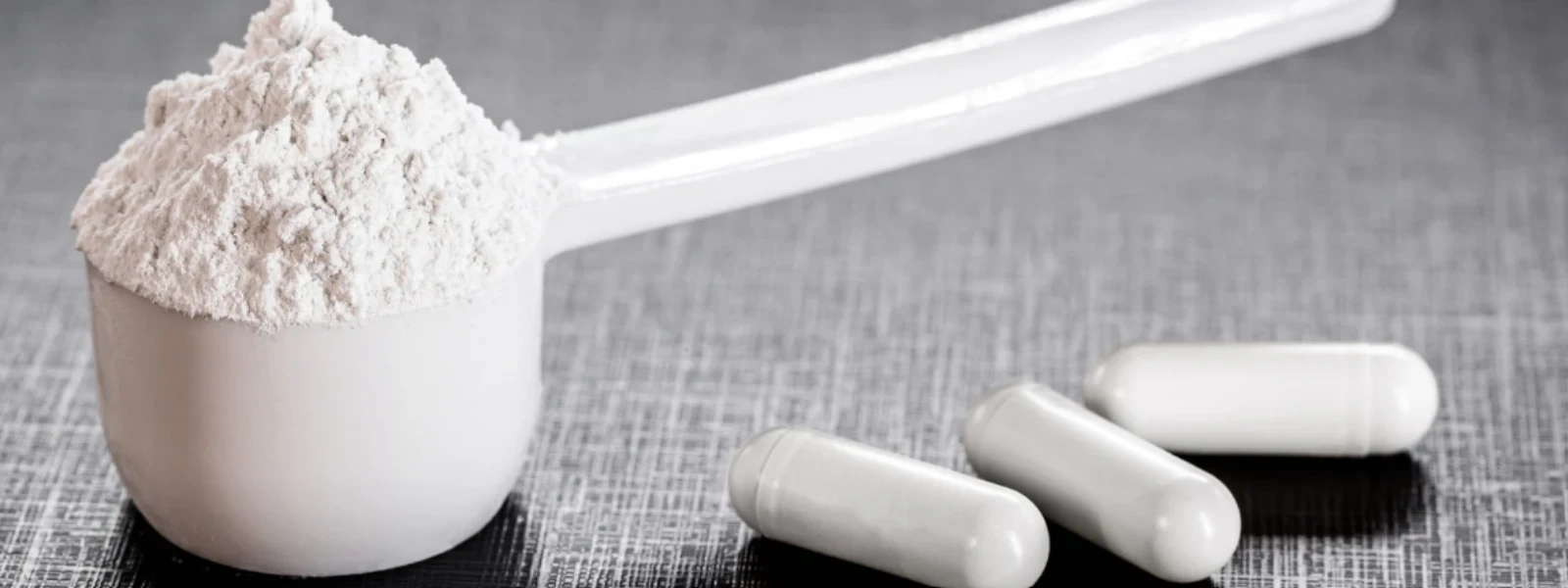


When choosing between protein supplements, two powerhouses often dominate the conversation: collagen and creatine. While both support your fitness goals, they work in completely different ways. Understanding these differences helps you make informed decisions about which supplement aligns with your health objectives.
This comprehensive comparison reveals seven key differences between collagen vs creatine, from their primary functions to optimal timing strategies. You'll discover how each supplement supports your body, when to use them, and whether combining both could amplify your results.
Collagen is the most abundant protein in your body, making up about 30% of your total protein content. This structural protein forms the foundation of your skin, bones, tendons, ligaments, and blood vessels. Think of it as the scaffolding that holds your body together.
Collagen peptides are broken-down forms of collagen that your body can easily absorb. When you consume collagen supplements, these peptides travel through your bloodstream to support tissue repair and regeneration. Your body naturally produces collagen, but this production decreases by about 1% each year after age 25.
Creatine is a compound that your liver, kidneys, and pancreas naturally produce from amino acids. About 95% of your body's creatine is stored in your muscles as phosphocreatine, which rapidly regenerates ATP (adenosine triphosphate) - your cells' primary energy source.
Creatine monohydrate, the most researched form, helps your muscles produce energy during high-intensity, short-duration activities. When you perform explosive movements like sprinting or weightlifting, creatine provides the immediate energy your muscles need.
The fundamental difference lies in their core purposes. Collagen benefits center around structural support and tissue repair. It provides amino acids like glycine, proline, and hydroxyproline that your body uses to rebuild connective tissues, support skin elasticity, and maintain joint health.
Creatine benefits focus on energy production and muscle power. It enhances your muscles' ability to produce ATP quickly, leading to improved strength, power output, and exercise performance. This makes creatine particularly valuable for high-intensity training.
Collagen works throughout your body's structural systems. It supports skin hydration and elasticity, joint cartilage health, gut lining integrity, and even hair and nail strength. Research shows collagen peptides can improve skin moisture and reduce visible signs of aging.
Creatine primarily targets your muscular and nervous systems. It enhances muscle strength, power, and recovery while also supporting brain function. Studies indicate creatine may improve cognitive performance, especially during mentally demanding tasks.
Patience is key with collagen supplementation. Most people notice skin improvements after 4-8 weeks of consistent use, while joint benefits may take 8-12 weeks to become apparent. This timeline reflects the gradual nature of tissue regeneration and collagen synthesis.
Creatine for energy shows much faster results. Many users experience increased strength and power within 1-2 weeks of starting supplementation. The rapid saturation of muscle creatine stores explains this quick onset of benefits.
Collagen timing is flexible since it doesn't directly impact workout performance. Most people take 10-20 grams daily, either with meals to aid absorption or on an empty stomach for faster uptake. Consistency matters more than specific timing.
Creatine timing has evolved with research. While pre-workout timing was once emphasized, current evidence suggests post-workout consumption may be slightly more beneficial. The standard dose is 3-5 grams daily, with an optional loading phase of 20 grams for the first week.
Did You Know?
Your body can only absorb about 10 grams of creatine at once, which is why spreading larger doses throughout the day during loading phases improves effectiveness.
Collagen comes primarily from animal sources rich in connective tissue. Bone broth, slow-cooked meats with bones, fish with skin, and gelatin provide natural collagen. However, cooking breaks down collagen into gelatin, which your body must further process into usable peptides.
Creatine is found in muscle tissues, particularly red meat, poultry, and fish. A pound of raw beef contains about 5 grams of creatine, though cooking reduces this amount. Vegetarians and vegans typically have lower creatine stores since plant foods contain minimal amounts.
Collagen has an excellent safety profile with minimal reported side effects. Some people experience mild digestive discomfort when starting supplementation, but this typically resolves as the body adjusts. Allergic reactions are rare but possible, especially with marine-sourced collagen.
Creatine safety is well-established through decades of research. Common myths about kidney damage or dehydration have been debunked by scientific studies. The most common side effect is temporary water retention as muscles store more creatine and water.
Collagen supplements typically cost more per serving than creatine, reflecting the complex extraction and processing required. High-quality collagen peptides range from moderate to premium pricing, depending on the source and processing methods.
Creatine monohydrate offers exceptional value, being one of the most cost-effective supplements available. Its stability, research backing, and low production costs make it accessible for most budgets.
While neither supplement directly builds muscle like whey protein, both support the muscle-building process differently. Collagen provides amino acids that support connective tissue health, which is crucial for muscle recovery supplements to work effectively. Strong tendons and ligaments allow for more intense training sessions.
Creatine enhances muscle growth indirectly by enabling higher training intensities and volumes. When you can lift heavier weights or perform more reps, you create greater muscle-building stimuli. This makes creatine particularly valuable for strength and power athletes.
Research suggests that combining collagen and creatine may offer synergistic benefits. Collagen supports the structural framework that houses your muscles, while creatine powers the energy systems within those muscles. This combination addresses both the structural and energetic aspects of muscle function.
Studies on combined supplementation show promising results for overall exercise performance and recovery. The complementary mechanisms suggest that using both supplements together may provide more comprehensive support than either alone.
Collagen's role in gut health stems from its high glycine content, which supports the intestinal lining's integrity. This amino acid helps maintain the gut barrier function, potentially reducing inflammation and supporting digestive health. Many gut health supplements now include collagen for this reason.
The gut-skin axis connection also makes collagen particularly interesting. A healthy gut microbiome supports collagen production, while collagen supplementation may support gut lining health, creating a beneficial cycle.
Beyond muscle energy, creatine supports brain function by enhancing cellular energy production in neural tissues. Research shows creatine supplementation may improve working memory, processing speed, and mental fatigue resistance, especially during cognitively demanding tasks.
This brain-energy connection makes creatine valuable for students, professionals, and anyone facing mental challenges alongside physical training demands.
Taking creatine and collagen together is generally safe for healthy individuals. No known interactions exist between these supplements, and their different mechanisms of action mean they don't compete for absorption or effectiveness.
Research on concurrent use shows no adverse effects when both supplements are taken within recommended dosages. However, individuals with existing health conditions should consult healthcare providers before starting any new supplement regimen.
When combining both supplements, timing becomes important for practical reasons rather than safety concerns. Taking creatine post-workout with carbohydrates may enhance uptake, while collagen can be consumed at any time that fits your routine.
Consider splitting doses throughout the day to optimize absorption. Take creatine with your post-workout meal and collagen with breakfast or before bed, ensuring consistent daily intake of both supplements.
Prioritize collagen if your primary goals include skin health improvements, joint mobility support, or gut health optimization. It's particularly beneficial for individuals over 25 experiencing natural collagen decline, those with joint discomfort, or anyone seeking comprehensive anti-aging support.
Collagen also suits people who prefer supplements with multiple beauty and wellness benefits rather than performance-specific effects.
Select creatine if your focus is athletic performance, strength gains, or muscle power development. It's ideal for individuals engaged in high-intensity training, competitive sports, or anyone seeking to maximize their workout effectiveness.
Creatine also benefits people looking for cognitive support alongside physical performance enhancement.
Combining both supplements makes sense if you're pursuing comprehensive fitness and wellness goals. This approach addresses structural health through collagen while optimizing performance through creatine, providing well-rounded support for active lifestyles.
The combination particularly benefits serious athletes or fitness enthusiasts who want to optimize both recovery and performance simultaneously.
Yes, taking creatine and collagen together is safe and may provide complementary benefits. No known interactions exist between these supplements, and many people successfully combine them as part of their daily routine.
Creatine doesn't directly increase collagen production. However, by supporting muscle function and recovery, creatine may indirectly support the conditions that favor healthy tissue maintenance and repair.
Both supplements benefit women, but the choice depends on individual goals. Collagen may appeal more to women focused on skin health and anti-aging, while creatine benefits those prioritizing strength training and athletic performance.
Look for high-quality collagen peptides paired with creatine monohydrate, as these are the most researched forms. Consider products that are third-party tested and free from unnecessary additives for optimal results.
Animal proteins like beef, chicken, and fish contain both compounds, though in different amounts. However, cooking reduces both collagen and creatine content, making supplementation more reliable for therapeutic doses.
Understanding the key differences between collagen vs creatine empowers you to make informed supplement choices aligned with your health goals. While collagen excels at supporting structural health, skin vitality, and gut wellness, creatine dominates in energy production, muscle power, and cognitive function. Both supplements offer unique benefits that can complement each other when used strategically. Whether you choose one or both depends on your specific objectives, timeline expectations, and overall wellness priorities. Consider your individual needs, consult with healthcare providers when necessary, and remember that consistency in supplementation, combined with a balanced diet and regular exercise, provides the foundation for optimal results.


Someone sent you
Error
Powered by ReferRush


