7 Simple Steps for Managing Cholesterol Levels
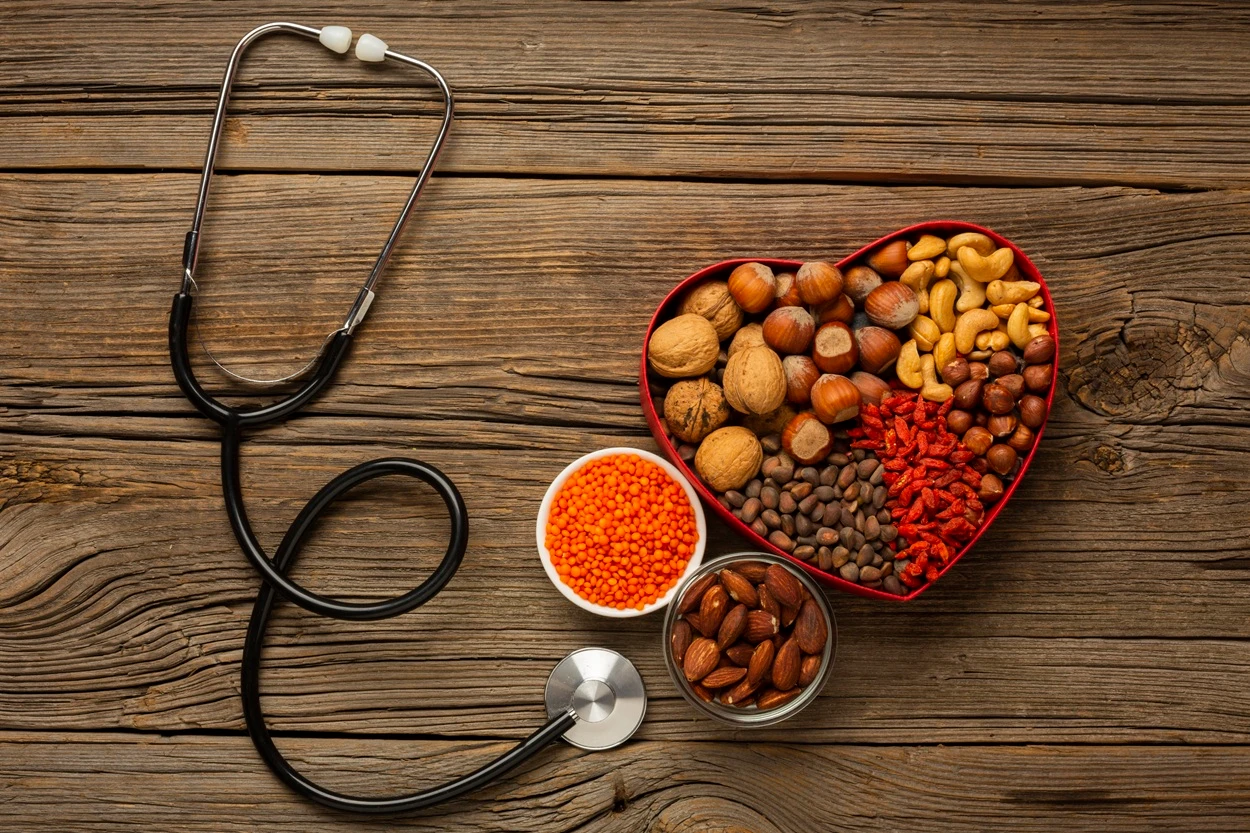


High cholesterol affects millions of adults worldwide, yet many remain unaware of its silent impact on cardiovascular health. Managing cholesterol levels effectively requires more than just avoiding certain foods—it demands a comprehensive understanding of how lifestyle choices, dietary patterns, and targeted interventions work together to optimize your lipid profile.
This evidence-based guide presents seven scientifically-proven strategies for managing cholesterol levels naturally and effectively. You'll discover how to implement sustainable changes that not only reduce LDL (bad) cholesterol but also boost HDL (good) cholesterol while addressing triglycerides through proven methods. By the end of this article, you'll have a clear roadmap for taking control of your cardiovascular health through practical, research-backed approaches.
Cholesterol serves essential functions in your body, from building cell membranes to producing hormones. Understanding the distinction between LDL, HDL, and VLDL cholesterol helps you interpret your lab results and make informed decisions about your health management strategy.
LDL cholesterol, often called "bad" cholesterol, carries cholesterol from your liver to cells throughout your body. When levels become too high, LDL can build up in artery walls, creating plaque that narrows blood vessels. HDL cholesterol, the "good" type, transports cholesterol back to your liver for processing and removal. Higher HDL levels protect against heart disease by keeping arteries clear.
Triglycerides, while technically not cholesterol, play a crucial role in your cardiovascular risk assessment. Elevated triglyceride levels often accompany high cholesterol and can significantly increase your risk of heart disease and stroke.
Your body stores excess calories as triglycerides in fat cells. When you need energy between meals, hormones release these triglycerides. However, consuming more calories than you burn leads to high triglyceride levels, which can thicken your blood and make it harder for your heart to pump effectively.
Incorporating soluble fiber-rich foods like oats, beans, and apples can reduce LDL cholesterol within weeks. These foods work by binding bile acids in your digestive system, forcing your liver to use cholesterol to produce more bile acids.
Start your day with a bowl of oatmeal topped with berries and nuts. Add beans to soups, salads, and main dishes. Choose whole fruits over juices to maximize fiber intake. Barley, Brussels sprouts, and eggplant also provide excellent soluble fiber sources that support healthy cholesterol levels.
Plant sterols and stanols, found naturally in nuts, seeds, and fortified foods, can block cholesterol absorption in your intestines. Research shows that consuming 2 grams daily can reduce LDL cholesterol significantly.
Almonds, walnuts, and sunflower seeds provide natural plant sterols. Many foods now come fortified with these compounds, including certain margarines, orange juices, and cereals. However, focus on whole food sources when possible for additional nutritional benefits.
Expert Insight: "The Mediterranean Diet Advantage"
Studies demonstrate that individuals following a Mediterranean-style eating pattern show greater improvements in cholesterol management compared to standard low-fat diets. The combination of healthy fats, fiber, and antioxidants creates a synergistic effect that optimizes lipid profiles naturally.
Moderate-intensity aerobic exercise for 150 minutes weekly can increase HDL cholesterol while reducing LDL levels. Activities like brisk walking, swimming, and cycling provide optimal benefits when performed consistently.
Break this into manageable sessions: 30 minutes of activity five days per week. Start with 10-minute walks if you're new to exercise, gradually increasing duration and intensity. Swimming offers joint-friendly cardiovascular benefits, while cycling can easily fit into daily commutes.
Recent research reveals that resistance training twice weekly can improve cholesterol ratios by enhancing muscle mass and metabolic efficiency, leading to better overall lipid management.
Focus on compound movements that work multiple muscle groups: squats, deadlifts, push-ups, and rows. Even bodyweight exercises performed at home can provide significant benefits. Aim for 8-12 repetitions of each exercise, completing 2-3 sets per session.
Weight loss can reduce triglycerides significantly. This relationship is particularly strong in individuals with metabolic syndrome or insulin resistance.
Excess weight, especially around the midsection, affects how your body processes fats and sugars. As you lose weight, your insulin sensitivity improves, leading to better triglyceride management. Even modest weight loss can produce meaningful improvements in your lipid profile.
Gradual weight reduction of 1-2 pounds weekly through combined dietary and exercise interventions provides the most sustainable improvements in cholesterol management without triggering metabolic slowdown.
Create a moderate calorie deficit by reducing portion sizes and increasing physical activity. Focus on nutrient-dense foods that keep you satisfied: lean proteins, vegetables, fruits, and whole grains. Avoid extreme diets that promise rapid results but often lead to muscle loss and metabolic damage.
Time-restricted eating patterns can improve cholesterol levels by enhancing insulin sensitivity and promoting fat oxidation. Studies show 12-16 hour fasting windows can reduce total cholesterol over 12 weeks.
Start with a 12-hour eating window, such as eating between 8 AM and 8 PM. Gradually extend the fasting period if comfortable. During eating windows, focus on nutrient-dense foods rather than processed options. Stay hydrated with water, herbal teas, and other non-caloric beverages during fasting periods.
Consuming fiber-rich foods before meals and healthy fats with fat-soluble vitamins optimizes nutrient absorption and cholesterol management throughout the day.
Eat a small salad or vegetable soup before main courses to increase fiber intake and promote satiety. Pair fat-soluble vitamins A, D, E, and K with healthy fats like olive oil, avocado, or nuts for better absorption. This timing strategy helps regulate blood sugar and supports optimal cholesterol metabolism.
Chronic stress elevates cortisol levels, which can increase cholesterol production. Managing stress through proven techniques directly impacts your body's cholesterol synthesis pathways.
When stress becomes chronic, your body produces more cortisol, triggering increased cholesterol production in your liver. This stress response evolved to provide quick energy during emergencies but becomes problematic when activated continuously by modern lifestyle pressures.
Mindfulness meditation, deep breathing exercises, and regular sleep schedules can reduce stress-induced cholesterol elevation while supporting overall cardiovascular health.
Practice 10-15 minutes of daily meditation using apps or guided videos. Try the 4-7-8 breathing technique: inhale for 4 counts, hold for 7, exhale for 8. Maintain consistent sleep and wake times, aiming for 7-9 hours nightly. These simple practices can significantly impact your stress hormone levels and cholesterol management.
Red yeast rice, containing natural statins, can reduce LDL cholesterol. Psyllium husk provides LDL reduction, while niacin (Vitamin B3) can increase HDL when used appropriately.
When selecting supplements for cholesterol support, superior ingredients, highly absorbable formats, palatable flavors make a significant difference in both effectiveness and compliance. Look for supplements that have undergone third-party testing for purity and potency. Always consult healthcare providers before starting new supplements, especially if taking medications.
EPA and DHA omega-3 supplements can reduce triglycerides at therapeutic doses, making them particularly beneficial for individuals with elevated triglyceride levels.
Choose high-quality fish oil supplements or algae-based omega-3s for vegetarian options. Look for products that specify EPA and DHA content rather than total omega-3s. Store supplements properly to prevent oxidation, which can reduce their effectiveness and create harmful compounds.
Regular lipid panels every 3-6 months during active management provide insight into your progress. Focus on trends rather than single measurements, as cholesterol levels can fluctuate based on various factors.
Learn to read your lipid panel: total cholesterol, LDL, HDL, and triglycerides. Understand that optimal ranges may vary based on your individual risk factors. Keep a record of your results to track progress over time and identify patterns related to lifestyle changes.
Successful long-term cholesterol management requires building systems rather than relying on motivation. Implementing gradual changes and tracking progress creates lasting behavioral modifications.
Start with one or two changes at a time rather than overhauling your entire lifestyle overnight. Use habit stacking: attach new healthy behaviors to existing routines. Track your progress through food journals, exercise logs, or health apps to maintain accountability and motivation.
Most people begin seeing measurable improvements in cholesterol levels within 6-12 weeks of implementing dietary and lifestyle changes. However, significant changes typically occur after 3-6 months of consistent effort.
Many individuals can successfully manage cholesterol through lifestyle modifications alone, particularly those with mild to moderate elevations. However, those with genetic predispositions or very high levels may require medication alongside lifestyle changes.
While both are important for cardiovascular health, cholesterol and triglycerides respond differently to interventions. Triglycerides are more sensitive to carbohydrate intake and weight loss, while cholesterol responds better to fiber intake and specific dietary fats.
Adults should have cholesterol screening every 4-6 years starting at age 20. Those with risk factors or existing elevated levels should be monitored every 3-6 months during active management, then annually once levels stabilize.
Rather than complete elimination, focus on limiting trans fats, excessive saturated fats, and refined sugars. A balanced approach that emphasizes beneficial foods while moderating less healthy options proves more sustainable and effective long-term.
Managing cholesterol levels effectively requires a comprehensive approach that combines evidence-based dietary strategies, regular physical activity, stress management, and consistent monitoring. The seven steps outlined in this guide provide a scientifically-sound framework for optimizing your lipid profile naturally while supporting overall cardiovascular health. Remember that sustainable changes implemented gradually tend to produce the most lasting results, and working with healthcare professionals ensures your approach aligns with your individual health needs. By taking proactive steps today, you're investing in your long-term heart health and overall well-being.


Someone sent you
Error
Powered by ReferRush


