Acid Foods & Supplements: What You Must Know
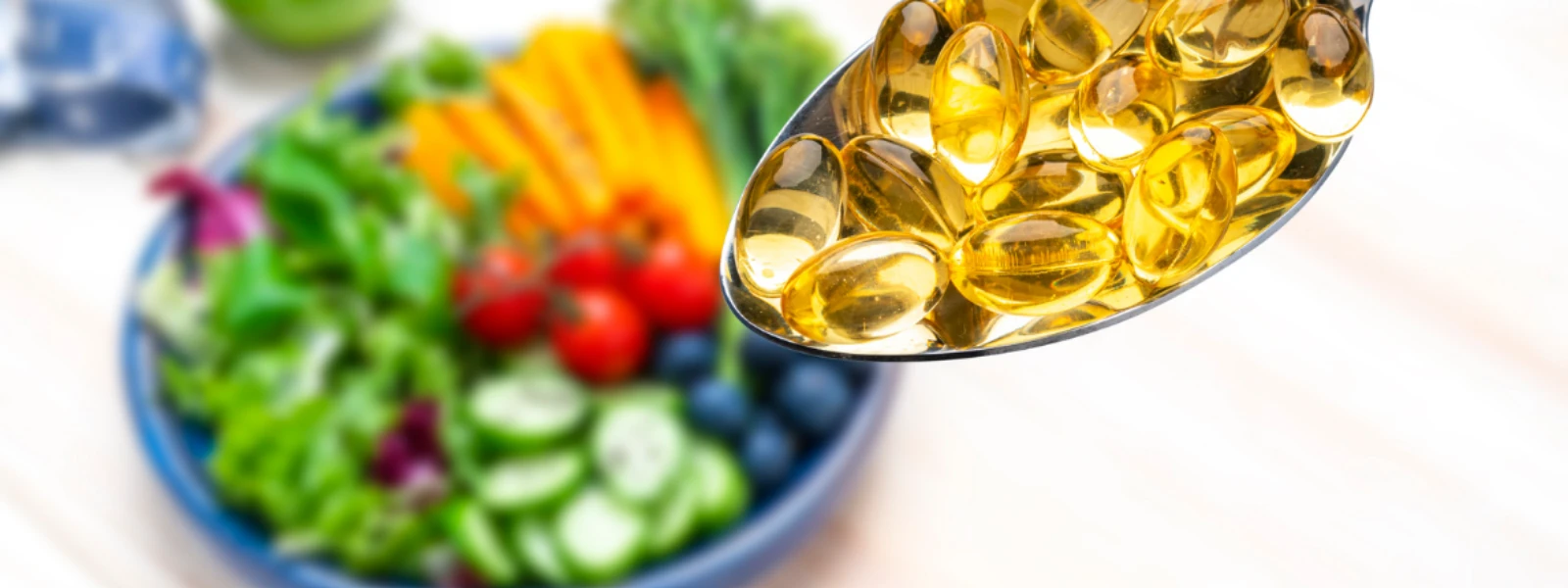


Your morning routine might include a glass of orange juice followed by your daily supplements. But could this seemingly harmless combination be sabotaging your health goals? The relationship between acidic foods and supplements is more complex than many realize, affecting everything from nutrient absorption to digestive comfort.
Understanding how acidic foods interact with supplements can help you maximize the benefits of your wellness routine while avoiding potential complications. This guide explores the science behind acid-supplement interactions and provides practical strategies for optimizing your supplement absorption.
When you consume acidic foods and supplements together, a complex chemical dance begins in your digestive system. Your stomach naturally produces hydrochloric acid to break down food and activate digestive enzymes. This acidic environment, with a pH between 1.5 and 3.5, plays a crucial role in nutrient absorption.
However, the timing and combination of acidic foods with supplements can significantly impact how well your body absorbs these nutrients. Some supplements require an acidic environment to dissolve properly, while others may be damaged by excessive acidity.
Supplements and stomach acid work together in intricate ways. Iron supplements, for example, need adequate stomach acid to convert from their inactive form to an absorbable state. Conversely, certain B vitamins can be degraded when exposed to highly acidic conditions for extended periods.
Your stomach acid levels naturally fluctuate throughout the day, typically being highest when you eat. This is why the timing of supplement intake relative to meals and acidic foods becomes so important for optimal absorption.
Many people believe that all acidic foods interfere with supplement absorption, but this isn't entirely accurate. The key lies in understanding which supplements benefit from acidic conditions and which ones don't. Some nutrients actually require the acidic environment to be properly absorbed by your intestines.
Certain foods to avoid with supplements can significantly reduce their effectiveness. Citrus fruits, tomatoes, coffee, and vinegar-based foods are among the most acidic options that may interfere with specific supplement types.
Coffee, with its pH of around 5, can affect the absorption of iron and calcium supplements. The tannins in coffee can bind to these minerals, making them less available for your body to use. Similarly, citrus fruits, while healthy, can interfere with certain medications and supplements when consumed simultaneously.
Carbonated beverages present another challenge. Their high acidity and phosphoric acid content can affect calcium absorption and may interfere with the dissolution of certain supplement coatings.
The general rule is to wait at least two hours between consuming highly acidic foods and taking sensitive supplements. However, this varies depending on the specific supplement and your individual digestive patterns.
For supplements that benefit from acidic conditions, taking them with a small amount of acidic food or drink might actually enhance absorption. This is particularly true for iron supplements, which are better absorbed when taken with vitamin C-rich foods.
Did You Know?
Your stomach acid production decreases as you age, which is why older adults often need to be more strategic about supplement timing and may benefit from taking certain supplements with acidic foods to enhance absorption.
Gut health and supplements are intimately connected. A healthy digestive system with balanced stomach acid production and a thriving microbiome is essential for optimal nutrient absorption.
If you're taking supplements regularly but not seeing expected results, poor absorption might be the culprit. Common signs include persistent nutrient deficiencies despite supplementation, digestive discomfort after taking supplements, or unchanged energy levels despite taking energy-supporting nutrients.
Your gut microbiome plays a crucial role in processing and absorbing nutrients from both food and supplements. An imbalanced microbiome can affect how well your body utilizes the nutrients you're providing it.
Supporting your digestive system involves more than just timing your supplements correctly. Staying hydrated, managing stress, and maintaining regular meal patterns all contribute to healthy stomach acid production and optimal nutrient absorption.
Supplements for digestion like digestive enzymes or probiotics can help create a more favorable environment for nutrient absorption, especially if you have digestive challenges or take multiple supplements daily.
For those dealing with acid reflux, the relationship between acidic foods and supplements becomes even more critical. Acid reflux supplements and dietary modifications must work together to provide relief without compromising nutrient absorption.
Taking supplements with meals can help buffer stomach acid and reduce the likelihood of reflux symptoms. However, this approach requires careful consideration of which supplements benefit from food and which are better absorbed on an empty stomach.
Magnesium supplements, for instance, can help relax the lower esophageal sphincter and may provide relief from acid reflux symptoms while supporting overall digestive health.
Combining natural acid reflux remedies with your supplement routine requires thoughtful planning. Alkaline foods like leafy greens can help neutralize excess stomach acid while providing a good foundation for supplement absorption.
During detox and supplements programs, the interaction between acidic foods and supplements becomes particularly important. Cleansing protocols often involve significant dietary changes that can affect how your body processes supplements.
Cleanse and supplements work best when properly coordinated. Many detox programs emphasize alkaline foods, which can affect the absorption of supplements that require acidic conditions.
Supporting your liver and kidneys during detox with appropriate supplements while managing the acid-alkaline balance requires careful attention to timing and food combinations.
Some foods that interfere with supplements become more problematic during cleansing periods when your digestive system may be more sensitive. Raw vegetables, while healthy, can sometimes interfere with iron absorption due to their fiber and oxalate content.
An alkaline diet with supplements can be highly effective when properly balanced. The goal isn't to eliminate all acidic foods but to create an optimal environment for both health and supplement absorption.
Your body naturally maintains a tight pH balance, but the foods you eat can influence the local pH environment in your digestive tract. This local environment affects how well certain supplements dissolve and become available for absorption.
Incorporating alkaline foods like leafy greens, cucumbers, and certain fruits can help create a more favorable environment for supplements that are sensitive to excessive acidity.
Strategic meal planning involves understanding which supplements work best with which types of foods. Fat-soluble vitamins like Vitamin D require some dietary fat for absorption, while water-soluble vitamins like Vitamin C are generally more flexible in their timing requirements.
This depends on the specific supplement. Some nutrients like iron and certain B vitamins are better absorbed on an empty stomach, while others like fat-soluble vitamins need food for proper absorption. Check your supplement labels and consult with a healthcare provider for personalized guidance.
Calcium, iron, and certain B vitamins can be significantly affected by acidic foods. Iron absorption can actually be enhanced by vitamin C, but excessive acidity from other sources might interfere. Calcium absorption can be reduced by high levels of phosphoric acid found in sodas.
Generally, waiting 2-3 hours between consuming highly acidic foods and taking sensitive supplements is recommended. However, this varies by individual and supplement type. Some supplements actually benefit from being taken with mildly acidic foods.
Citrus juice can enhance iron absorption due to its vitamin C content, but it may interfere with certain medications and supplements. It's best to check with your healthcare provider about specific supplement-citrus interactions, especially if you take multiple supplements.
Probiotics are generally hardy, but extremely acidic foods might affect some strains. Taking probiotics with a meal that includes some alkaline foods can help protect the beneficial bacteria as they travel through your digestive system.
The relationship between acidic foods and supplements is nuanced and highly individual. While some supplements benefit from acidic conditions, others may be hindered by excessive acidity. The key is understanding your specific supplement needs and timing them appropriately with your meals and dietary choices. By paying attention to how your body responds to different combinations and consulting with healthcare professionals when needed, you can optimize your supplement routine for maximum benefit. Remember that consistency in timing and a balanced approach to both acidic and alkaline foods will serve you best in achieving your health goals.


Someone sent you
Error
Powered by ReferRush


