How Much Fiber Do You Really Need Daily for Optimal Health?
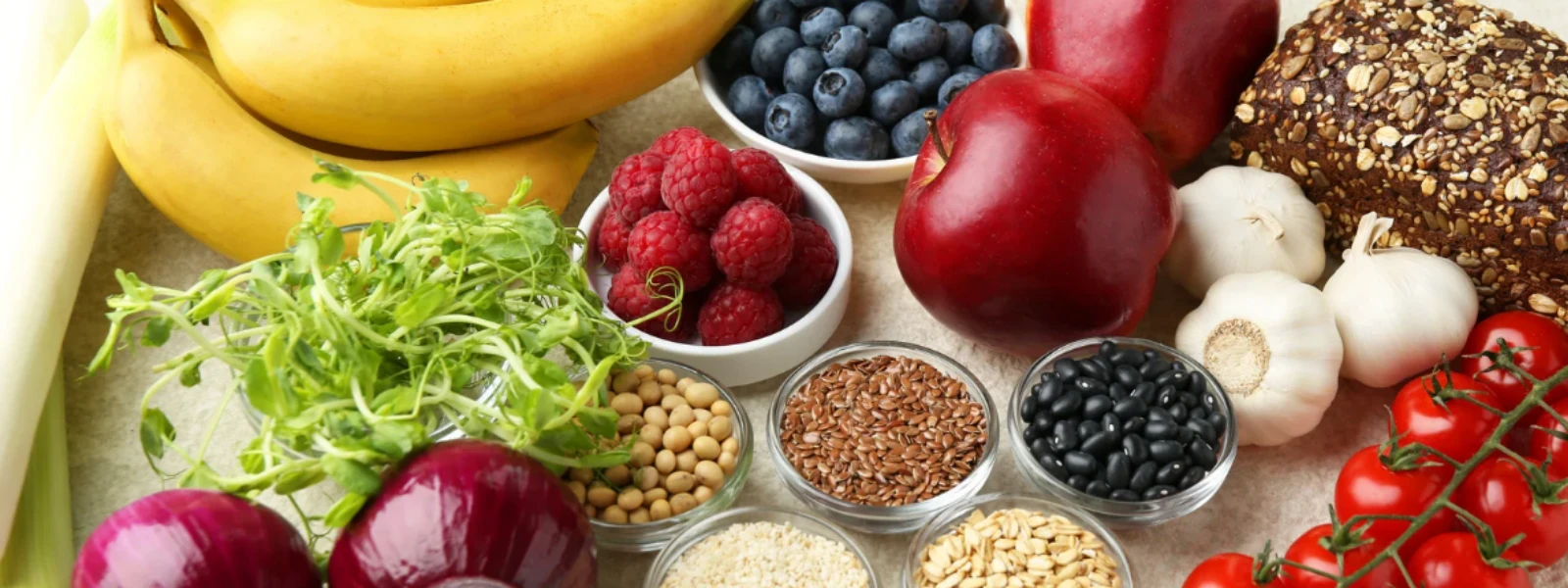


Fiber targets often seem to conflict. You may see 25 g, 30 g, 38 g, or even 40 g suggested. The useful number is the one that fits your energy intake, age, sex, and usual diet. This guide explains how much fiber do you need per day, how to calculate a personal target, and how to increase intake at a comfortable pace. Most adults need roughly 25 g to 38 g of fiber per day, or approximately 14 g per 1,000 calories consumed, though individual needs vary by age, sex, and overall energy intake.
A practical starting point is 14 g of fiber for every 1,000 calories eaten. This calorie based approach helps match daily fiber intake to your food needs.
Sex based guidance often places the recommended fiber per day between 25 g and 38 g. Many people eat only 10 g to 15 g daily. That gap makes gradual changes more realistic than an immediate high fiber diet.
Women are commonly given targets near the lower end of the 25 g to 38 g range. Men are often given targets nearer the higher end. Needs may also change across age groups, so a calorie based calculation can offer a more personal starting point.
Some guidance uses calories. Other guidance uses sex based daily ranges. A 40 g target may also appear in metabolic health discussions. These figures are different ways to frame fiber needs, not a reason to force one number on every person.
Fiber can support fullness and digestive health, which may be useful within a balanced eating pattern. It is not a standalone weight loss solution. For women trying to lose weight, a sensible starting point is to work toward the usual 25 g to 38 g guidance or use the 14 g per 1,000 calorie method.
Women may consume under 15 g of fiber daily. If your current intake is low, aiming directly for 40 g may feel uncomfortable. First identify your present intake. Then increase it in small steps while tracking how you feel.
Insight Corner: Start With Your Baseline
Research suggests that 14 g of fiber per 1,000 kcal is a reliable benchmark for digestive health. Moving from 12 g to 18 g is meaningful progress, even before you reach your final target.
A fiber intake calculator can be simple. Multiply your daily calorie intake by 14, then divide by 1,000. The result is your daily fiber target in grams.
For example, a person eating 2,000 calories would calculate 2,000 × 14 ÷ 1,000. Their target would be 28 g of fiber per day. This is a guide, not a rigid rule. Compare it with the 25 g to 38 g range and adjust gradually.
Fiber includes soluble and insoluble forms. Soluble fiber mixes with water and forms a gel like texture. Insoluble fiber does not dissolve in water and adds bulk to stool. Both types contribute to digestive health.
When choosing soluble fiber foods, look for fiber rich foods with nutrition information that shows total fiber per serving. A medium banana (approximately 100 g) provides around 2.6 g of fiber, making it a familiar entry point for people who want to add more fiber through whole foods.
Insoluble fiber foods can also help build a varied daily pattern. Rather than relying on one food, include different fiber rich foods across meals. Check food labels or verified nutrition data when comparing options.
Fiber supports more than digestive regularity. A consistent intake is associated with improved satiety, which may help with managing overall food intake. Fiber also plays a role in metabolic health, including supporting stable blood sugar levels and a balanced gut environment. These benefits of fiber make it a valuable part of a well-rounded daily eating pattern.
Use food labels and verified nutrition information to compare fiber per serving or per 100 g, and build each meal around one fiber rich food, adding another at a snack or side meal. A medium banana, which contains around 2.6 g of fiber, can be an easy portable option. Over time, these small choices can help close the common gap between 10 g to 15 g and a personal target.
Increase fiber slowly. A sudden jump can feel uncomfortable for some people. Add one new fiber focused choice at a time, then give your usual eating pattern time to adjust. When selecting fiber sources, prioritizing superior ingredients, highly absorbable formats, and palatable flavors can make it easier to maintain a consistent routine.
Drink water regularly as you increase fiber. Notice digestion, fullness, and comfort. This measured approach supports a routine that feels practical, including during busy workdays, travel, or meals eaten out.
Forty grams is not automatically too much for every woman. It is also not necessary for every woman. A 40 g target appears in some metabolic health guidance, while many sex based targets begin at 25 g. Your current intake, calorie needs, and digestive comfort all matter.
If a higher intake causes discomfort, slow down. Focus on steady progress instead of treating one number as a universal goal.
Regular digestion and satisfying meals can be useful signals. The clearest check is to compare your usual daily intake with your personal calorie based target or the 25 g to 38 g range.
Compare verified nutrition information per 100 g, not only package claims. This lets you identify the most fiber dense options within the foods you enjoy and can eat often.
The timing varies by person, food pattern, hydration, and how quickly intake changes. Increase gradually and observe your own digestive comfort rather than expecting an exact timeline.
It looks like fiber spread across the day rather than packed into one meal. Use your food labels to total fiber from breakfast, lunch, dinner, and snacks until the day reaches about 30 g.
Your ideal fiber intake starts with 14 g per 1,000 calories, then considers the common 25 g to 38 g range. Build up slowly, drink water, and use verified food information to track progress. Wellbeing Nutrition is committed to supporting everyday wellness through fiber supplement with superior ingredients, highly absorbable formats, and palatable flavors.




Someone sent you


