How to Boost Energy with Vitamin B5 Naturally


Your energy levels throughout the day depend on countless factors, but one often-overlooked nutrient plays a crucial role in converting the food you eat into usable energy. Vitamin B5, also known as pantothenic acid, serves as a fundamental building block for cellular energy production. Unlike other B vitamins that support specific metabolic pathways, B5 acts as a master key that unlocks your body's ability to transform carbohydrates, fats, and proteins into ATP—the energy currency your cells need to function optimally.
This comprehensive guide explores how vitamin B5 naturally boosts energy levels while supporting additional health benefits including skin health, hair growth, and adrenal function. You'll discover the science behind B5's energy-enhancing properties, identify the best food sources, and learn practical strategies to optimize your intake for sustained vitality.
Understanding how pantothenic acid supports energy metabolism requires examining its role at the cellular level. Vitamin B5 serves as a precursor to coenzyme A (CoA), a critical molecule involved in over 100 enzymatic reactions throughout your body. Without adequate B5, your cells cannot efficiently produce CoA, leading to impaired energy production and fatigue.
The energy conversion process begins when CoA helps break down macronutrients in the mitochondria—your cells' powerhouses. During this process, called the citric acid cycle, CoA facilitates the transformation of glucose, fatty acids, and amino acids into ATP. Research published in nutritional biochemistry journals demonstrates that even mild B5 deficiency can reduce cellular energy output by up to 40%.
Additionally, vitamin B5 supports the synthesis of acetylcholine, a neurotransmitter essential for cognitive function and mental energy. This dual action—supporting both physical and mental energy—makes B5 particularly valuable for individuals experiencing afternoon energy crashes or brain fog.
Incorporating vitamin B5 foods into your daily diet provides a sustainable approach to maintaining optimal energy levels. The richest natural sources include organ meats, with beef liver containing approximately 7 mg per 100 grams—nearly 140% of the daily recommended intake.
For those preferring plant-based options, sunflower seeds offer exceptional B5 content at 6 mg per cup, while mushrooms provide 2-3 mg per serving. Other excellent sources include:
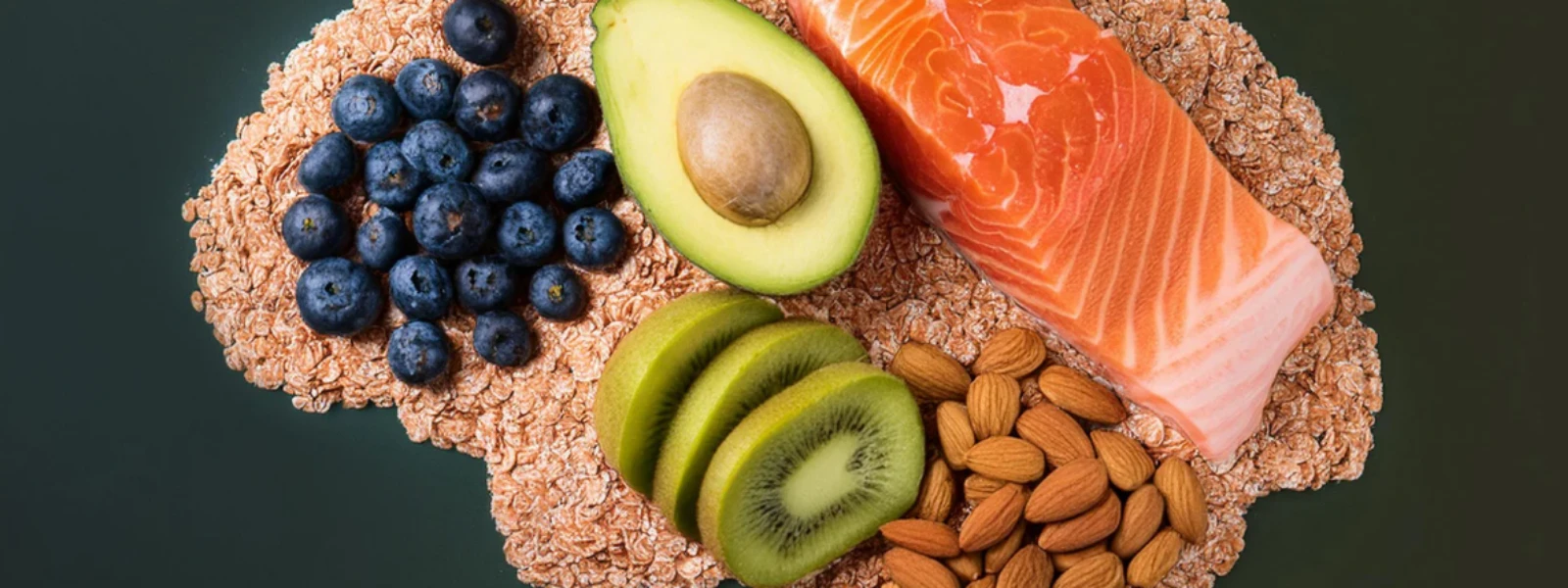
Avocados contain 2 mg per medium fruit and offer healthy fats that enhance B5 absorption. Sweet potatoes provide 1.8 mg per large potato along with complex carbohydrates for sustained energy release. Salmon and other fatty fish deliver 1.5-2 mg per serving while supplying omega-3 fatty acids that support overall metabolic health.
Did You Know?
Your body cannot store vitamin B5 for extended periods, making daily intake essential for consistent energy levels. Unlike fat-soluble vitamins, B5 dissolves in water and requires regular replenishment through food or supplements.
To maximize bioavailability, consume B5-rich foods with healthy fats and avoid excessive processing or prolonged cooking, which can reduce vitamin content by up to 50%. Steaming vegetables and eating fruits raw preserves the highest nutrient levels.
While severe B5 deficiency remains rare in developed countries, subclinical deficiency affects many individuals without obvious symptoms. Early signs include persistent fatigue, irritability, and difficulty concentrating—symptoms often attributed to stress or poor sleep rather than nutritional inadequacy.
More pronounced deficiency symptoms include muscle cramps, digestive issues, and increased susceptibility to infections. The condition known as "burning feet syndrome" specifically relates to B5 deficiency, causing tingling and burning sensations in the extremities.
Certain populations face higher risks for B5 deficiency. Individuals following restrictive diets, those with digestive disorders affecting nutrient absorption, and people under chronic stress may require increased B5 intake. Alcohol consumption also depletes B5 stores, making adequate intake particularly important for social drinkers.
Addressing deficiency typically shows improvements within 2-4 weeks of increased intake. Energy levels often improve first, followed by enhanced mood and cognitive function. Complete restoration of optimal B5 status may take 2-3 months of consistent adequate intake.
Vitamin B5's benefits extend far beyond energy metabolism, particularly regarding skin health. Pantothenic acid regulates sebum production, making it valuable for managing acne and oily skin conditions. Research indicates that topical and oral B5 supplementation can reduce acne lesions by up to 68% over 12 weeks.
The vitamin also supports wound healing by promoting collagen synthesis and reducing inflammation. This dual action helps maintain skin elasticity and may slow visible signs of aging when combined with adequate hydration and sun protection.
For hair growth and scalp health, vitamin B5 contributes to keratin production—the primary protein comprising hair strands. Adequate B5 intake supports stronger, more resilient hair while potentially reducing hair loss related to nutritional deficiencies.
The vitamin's role in improving circulation may also benefit scalp health by ensuring adequate nutrient delivery to hair follicles. While B5 alone cannot reverse genetic hair loss patterns, it supports optimal conditions for healthy hair growth.
Perhaps most importantly for modern lifestyles, vitamin B5 provides crucial adrenal support during stressful periods. The adrenal glands require B5 to produce cortisol and other stress hormones effectively. During chronic stress, B5 needs increase significantly, and deficiency can impair the body's stress response.
Adequate B5 intake helps maintain balanced cortisol production, potentially reducing stress-related fatigue and supporting healthy sleep patterns. This makes B5 particularly valuable for individuals in high-stress careers or life situations.
While food sources provide the most bioavailable forms of vitamin B5, B5 supplements may benefit certain individuals. Those with digestive disorders, restrictive diets, or increased needs due to stress or illness might consider supplementation under healthcare guidance.
Calcium pantothenate represents the most common supplement form, offering good stability and absorption. Typical dosages range from 5-10 mg daily for general health support, though therapeutic doses may reach 100-500 mg for specific conditions.
Quality considerations include third-party testing for purity and potency. Look for supplements that avoid unnecessary fillers and artificial additives. However, remember that supplements work best when combined with a nutrient-dense diet rather than replacing whole food sources entirely.
Timing matters for supplement effectiveness. Taking B5 with meals improves absorption and reduces potential stomach upset. Dividing larger doses throughout the day maintains more consistent blood levels compared to single large doses.
Beef liver contains the highest concentration at 7 mg per 100 grams, followed by sunflower seeds, mushrooms, avocados, and fatty fish like salmon. Fortified cereals and nutritional yeast also provide significant amounts for those following plant-based diets.
Most people notice initial energy improvements within 1-2 weeks of addressing B5 deficiency through diet or supplements. Full optimization of energy levels typically occurs within 4-6 weeks of consistent adequate intake.
Vitamin B5 has low toxicity risk since excess amounts are readily excreted through urine. However, very high doses above 1000 mg daily may cause digestive upset or interfere with other B vitamin absorption. Stick to recommended dosages unless supervised by a healthcare provider.
Yes, vitamin B5 supports adrenal function and helps maintain balanced stress hormone production. While not a treatment for anxiety disorders, adequate B5 intake may help your body better cope with daily stressors and reduce stress-related fatigue.
No, vitamin B5 (pantothenic acid) and niacinamide (vitamin B3) are different B vitamins with distinct functions. While both support energy metabolism, B5 specifically forms coenzyme A, while B3 forms NAD+ for cellular energy processes.
Vitamin B5 serves as a cornerstone nutrient for natural energy production, supporting everything from cellular metabolism to stress hormone balance. By incorporating B5-rich foods into your daily routine and recognizing signs of deficiency, you can optimize your energy levels while supporting skin health, hair growth, and overall vitality. Whether through whole food sources or targeted supplementation, ensuring adequate pantothenic acid intake provides a foundation for sustained energy and enhanced well-being. Consider exploring comprehensive nutritional approaches that support your body's natural energy systems for optimal health outcomes.


Someone sent you
Error
Powered by ReferRush


