How to Boost Immunity with Powerful Fruits
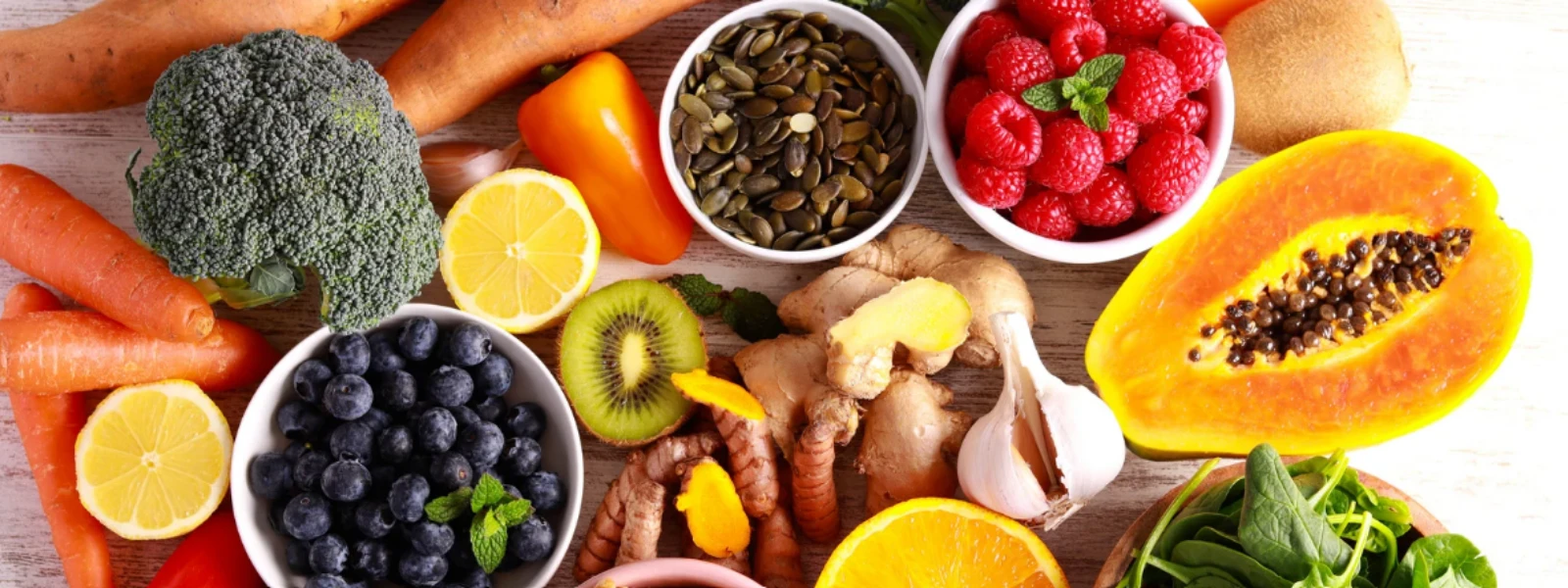


Your immune system works around the clock to protect you from harmful invaders. While many factors influence immune function, the foods you eat play a crucial role in supporting your body's natural defenses. Among these, immunity fruits stand out as powerful allies packed with essential vitamins, antioxidants, and compounds that strengthen your immune response.
Research shows that certain fruits contain concentrated levels of immune-supporting nutrients like Vitamin C, antioxidants, and fiber that feeds beneficial gut bacteria. This comprehensive guide explores the science behind how fruits boost immunity and provides practical strategies to incorporate these natural powerhouses into your daily routine for optimal immune health.
Understanding how immunity fruits work requires looking at the complex relationship between nutrition and immune function. Your immune system relies on specific nutrients to produce white blood cells, antibodies, and other protective compounds that defend against infections and diseases.
Vitamin C plays a central role in immune function by supporting the production and activity of white blood cells, particularly lymphocytes and phagocytes. These cells are your body's first line of defense against pathogens. Studies published in the Journal of Clinical Medicine show that adequate Vitamin C intake can reduce the duration and severity of respiratory infections.
Antioxidant fruits provide compounds that neutralize harmful free radicals, which can weaken immune function when present in excess. These antioxidants, including flavonoids, anthocyanins, and polyphenols, help reduce inflammation throughout the body. Chronic inflammation can suppress immune responses, making antioxidant-rich fruits essential for maintaining optimal immune health.
The connection between gut health and immunity is particularly important when discussing fruits for immune system support. Your gut houses approximately 70% of your immune system, and the fiber found in whole fruits acts as a prebiotic, feeding beneficial bacteria that support immune function. Research in Nature Reviews Immunology demonstrates that a healthy gut microbiome directly influences immune cell development and response.
Citrus fruits remain the gold standard for Vitamin C content and immune support. A medium orange provides about 70mg of Vitamin C, while a grapefruit delivers approximately 88mg. Lemons and limes, though smaller, pack concentrated amounts of this essential vitamin along with flavonoids like hesperidin and limonene.
These compounds work synergistically to enhance immune function beyond what Vitamin C alone can provide. The flavonoids in citrus fruits have been shown to possess antiviral and anti-inflammatory properties, making them excellent choices for comprehensive immune support.
Papaya stands out among tropical fruits for its exceptional Vitamin C content and unique digestive enzymes. One cup of papaya provides over 140% of your daily Vitamin C needs while delivering papain, an enzyme that supports gut health and nutrient absorption.
Kiwi fruit deserves special recognition as one of the most nutrient-dense immunity fruits available. Two kiwis contain more Vitamin C than an orange, plus significant amounts of Vitamin E, folate, and potassium. Research published in the British Journal of Nutrition shows that regular kiwi consumption can reduce the severity and duration of upper respiratory tract infections.
Guava takes the crown for Vitamin C density, containing nearly four times more Vitamin C than oranges. This tropical fruit also provides lycopene, an antioxidant typically associated with tomatoes, making it a powerful addition to any immune-supporting diet.
Berries represent some of the best fruits for immunity due to their concentrated antioxidant content. Blueberries contain anthocyanins, compounds that give them their deep blue color and provide potent anti-inflammatory effects. Studies show that regular blueberry consumption can enhance immune cell function and reduce oxidative stress.
Elderberries have gained attention for their specific antiviral properties. Research published in the Journal of International Medical Research found that elderberry extract can reduce the duration of flu symptoms by an average of four days.
Cranberries offer unique benefits for immune health through their proanthocyanidins, compounds that prevent harmful bacteria from adhering to cell walls. While most famous for urinary tract health, these same mechanisms support overall immune function.
Did You Know?
A single cup of strawberries provides more Vitamin C than an orange, plus manganese and folate that support immune cell production. The ellagic acid in strawberries also acts as a natural antimicrobial compound.
The gut-immune connection represents one of the most important aspects of immune health. Your intestinal tract houses the majority of your immune system, making gut-supporting fruits essential for overall immunity.
Apples contain pectin, a soluble fiber that acts as a prebiotic, feeding beneficial bacteria in your gut. The quercetin in apple skin provides additional anti-inflammatory benefits. Research shows that people who eat apples regularly have more diverse gut bacteria, which correlates with stronger immune function.
Bananas provide resistant starch, especially when slightly green, which serves as food for beneficial gut bacteria. The potassium in bananas also supports cellular function throughout the immune system. As bananas ripen, they develop different beneficial compounds, making them valuable at various stages of ripeness.
Pears offer both soluble and insoluble fiber, supporting digestive health and providing sustained energy for immune cell function. The anti-inflammatory compounds in pears help maintain a healthy gut environment where beneficial bacteria can thrive.
These detox fruits support your body's natural cleansing processes by promoting healthy digestion and elimination. When your digestive system functions optimally, your immune system can focus on protecting against external threats rather than dealing with internal toxins.
Chronic inflammation can significantly impair immune function, making anti-inflammatory fruits crucial for maintaining optimal immunity. These fruits for inflammation contain specific compounds that help regulate inflammatory responses throughout the body.
Cherries, particularly tart cherries, contain high levels of anthocyanins and natural melatonin. Studies published in the Journal of Nutritional Biochemistry show that cherry consumption can reduce inflammatory markers and support better sleep, which is essential for immune recovery.
Pineapple provides bromelain, a unique enzyme with powerful anti-inflammatory properties. Bromelain can help reduce swelling and support the body's natural healing processes. Fresh pineapple contains the highest levels of this beneficial enzyme.
Watermelon offers lycopene and citrulline, compounds that support cardiovascular health and reduce inflammation. The high water content in watermelon also supports hydration, which is essential for optimal immune function.
Incorporating a variety of these healthy fruits ensures you receive different anti-inflammatory compounds that work through various pathways to support immune health. Seasonal rotation allows you to take advantage of peak nutrient content while enjoying diverse flavors and textures.
To get the most immune-supporting benefits from fruits, proper preparation and timing matter. Fresh fruits generally provide the highest levels of Vitamin C and other heat-sensitive nutrients. However, frozen fruits can be nearly as nutritious and more convenient for smoothies and cooking.
Eating fruits with healthy fats can enhance the absorption of fat-soluble vitamins and antioxidants. Try pairing berries with nuts, or adding avocado to fruit smoothies for better nutrient absorption.
Morning consumption of Vitamin C fruits can help support immune function throughout the day. Your body doesn't store Vitamin C, so regular intake is important for maintaining optimal levels.
For long-term immune support, aim for 2-3 servings of immunity fruits daily, choosing different colors to ensure a variety of antioxidants. Cleanse fruits like apples and pears can be particularly beneficial when eaten with the skin for maximum fiber content.
Storage also affects nutrient content. Keep fruits at appropriate temperatures and consume them within optimal timeframes to preserve their immune-supporting compounds. Some fruits, like citrus, can maintain their Vitamin C content for weeks when properly stored.
Guava leads in Vitamin C content with over 200mg per cup, while kiwi provides the best combination of Vitamin C, antioxidants, and digestive support. Elderberries offer specific antiviral compounds that make them particularly effective during cold and flu season.
Aim for 2-3 servings of diverse immunity fruits daily. This provides adequate Vitamin C, antioxidants, and fiber for immune support without excessive sugar intake. Focus on variety to ensure you receive different beneficial compounds.
Frozen fruits retain most of their immune-supporting nutrients, especially when frozen at peak ripeness. Vitamin C content may be slightly lower than fresh, but the difference is minimal. Frozen berries can actually have higher antioxidant levels than fresh ones that have been stored for extended periods.
Detox fruits support your body's natural cleansing processes through fiber, antioxidants, and hydration rather than actively detoxifying. They help maintain healthy digestion and elimination, which allows your immune system to function more effectively.
Morning and early afternoon are ideal times for consuming Vitamin C fruits since your body uses this vitamin throughout the day. Eating fruits before meals can also help with nutrient absorption and provide sustained energy for immune cell function.
Immunity fruits offer a natural, science-backed approach to supporting your immune system through essential vitamins, antioxidants, and gut-supporting compounds. From Vitamin C powerhouses like citrus and kiwi to antioxidant-rich berries and gut-healthy apples, these fruits provide multiple pathways to strengthen your body's natural defenses. By incorporating a variety of immune boosting fruits into your daily routine and understanding how to maximize their benefits through proper preparation and timing, you can take a proactive approach to maintaining optimal immune health year-round.


Someone sent you
Error
Powered by ReferRush


