How to Boost Immunity with Powerful Fruits Naturally
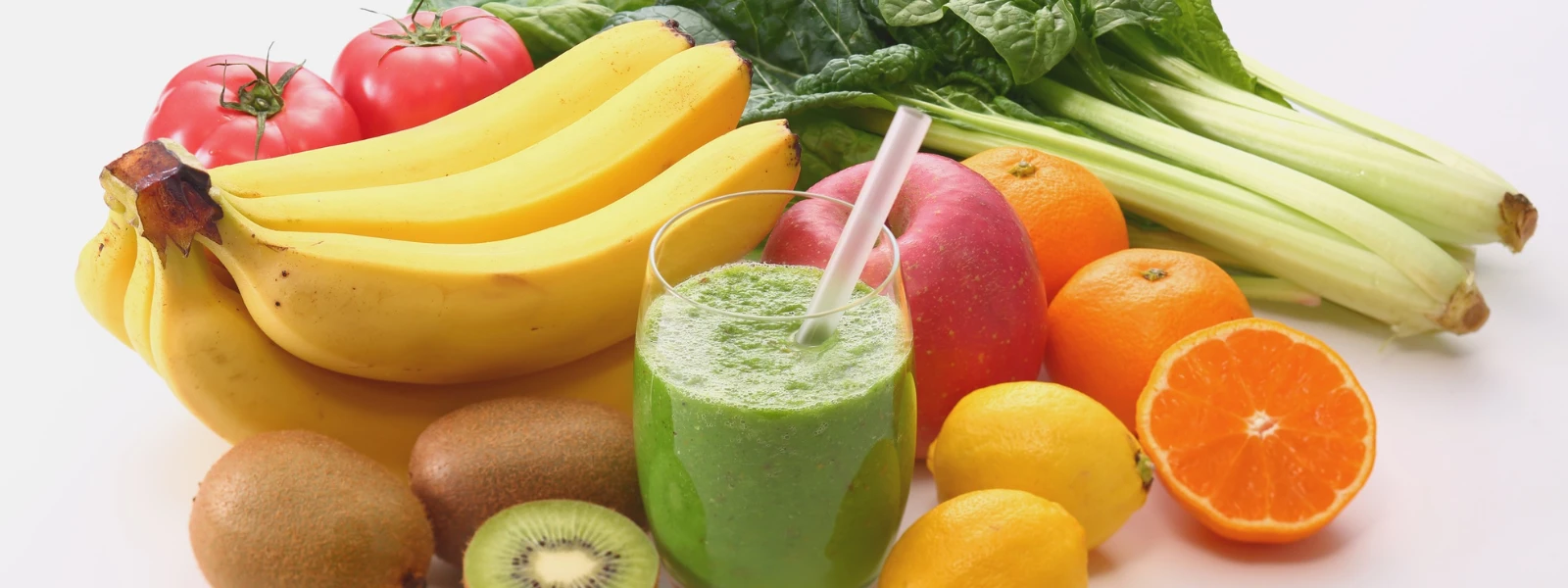


Your immune system works around the clock to protect you from harmful pathogens, and what you eat plays a crucial role in how well it functions. Among all the natural immunity boosters available, fruits stand out as powerhouses of essential nutrients that can significantly strengthen your body's defense mechanisms. This comprehensive guide explores the science behind fruits to increase immunity and provides practical strategies to incorporate these natural defenders into your daily routine.
Research consistently shows that people who consume adequate amounts of fruits have stronger immune responses and lower rates of infections. The key lies in understanding which immunity boosting fruits provide the most benefit and how to maximize their potential for optimal health.
The scientific connection between fruit consumption and immune function is well-established. Fruits contain a unique combination of vitamins, minerals, antioxidants, and fiber that work together to support your immune system at the cellular level. Unlike synthetic supplements, fruits for immune system support provide nutrients in their natural form, which your body can absorb and utilize more effectively.
The primary immune-supporting nutrients found in fruits include Vitamin C, which stimulates white blood cell production and function, and antioxidants like flavonoids and polyphenols that protect immune cells from oxidative damage. Additionally, the natural fiber in fruits feeds beneficial gut bacteria, creating a strong foundation for immune health.
Your gut houses approximately 70% of your immune system, making gut health fruits particularly important for overall immunity. The fiber in fruits acts as a prebiotic, nourishing beneficial bacteria that produce short-chain fatty acids. These compounds strengthen the gut barrier and enhance immune cell communication throughout your body.
When you consume gut health fruits regularly, you're not just getting vitamins and minerals – you're actively supporting the complex ecosystem that forms the foundation of your immune response. This connection explains why people with diverse, fruit-rich diets tend to have more robust immune systems.
Citrus fruits like oranges, grapefruits, and lemons are well-known Vitamin C fruits, but they're not the only options. Kiwi fruit actually contains more Vitamin C per serving than most citrus fruits, providing about 90mg per fruit – more than your daily requirement. Strawberries offer a double benefit with high Vitamin C content plus folate, which supports immune cell production.
Guava deserves special mention as it contains four times more Vitamin C than oranges. Just one guava provides over 200mg of Vitamin C, making it one of the most potent natural sources available. These Vitamin C-rich options help maintain the integrity of your skin and mucous membranes, your body's first line of defense against pathogens.
Blueberries lead the category of antioxidant rich fruits with their high concentration of anthocyanins. These compounds give blueberries their deep color and provide powerful protection for immune cells against free radical damage. Regular consumption of blueberries has been linked to improved immune function and reduced inflammation.
Pomegranates contain unique antioxidants called punicalagins that have been shown to have anti-inflammatory effects. Cranberries provide proanthocyanidins, which help prevent harmful bacteria from adhering to cell walls, particularly in the urinary tract. Blackberries round out this category with their combination of Vitamin E and manganese, both essential for immune cell function.
Did You Know?
A single cup of blueberries contains more antioxidants than most people consume in an entire day from all food sources combined. These antioxidants can remain active in your bloodstream for up to 24 hours after consumption.
Papaya contains digestive enzymes like papain that help break down proteins and reduce inflammation in the digestive tract. This tropical fruit also provides Vitamin A, which is crucial for maintaining the health of mucous membranes. Pineapple offers bromelain, an enzyme with anti-inflammatory properties that can help reduce swelling and support recovery.
Apples contain pectin, a type of soluble fiber that acts as a prebiotic and supports beneficial gut bacteria. The saying "an apple a day keeps the doctor away" has scientific merit – regular apple consumption has been associated with improved immune markers. Bananas provide prebiotics along with potassium, which helps maintain proper cellular function throughout the immune system.
The World Health Organization recommends 2-3 servings of fruit daily for optimal health benefits. One serving equals about one cup of fresh fruit or one medium-sized piece. To maximize nutrient absorption, consider timing your fruit consumption strategically. Morning intake provides energy and supports Vitamin C absorption, while evening consumption can aid in overnight recovery processes.
Fresh fruits generally provide the highest nutrient content, but frozen options retain about 90% of their nutritional value and can be more convenient for consistent intake. Avoid dried fruits with added sugars, as these can counteract some immune benefits by promoting inflammation.
Certain fruit combinations can enhance nutrient absorption and immune benefits. Pairing Vitamin C-rich fruits with iron-containing foods improves iron absorption, which is essential for immune cell production. Combining different colored fruits ensures you get a wide spectrum of antioxidants that work synergistically to protect your immune system.
Seasonal rotation of immune system fruits helps ensure variety and prevents nutrient monotony. Winter citrus fruits provide concentrated Vitamin C when fresh options are limited, while summer berries offer peak antioxidant content during their natural growing season.
Creating a sustainable approach to using fruits as natural immunity boosters involves more than just eating them randomly. Start your day with a mixed berry smoothie that includes blueberries, strawberries, and a kiwi for a powerful antioxidant and Vitamin C boost. Mid-morning snacks of citrus fruits provide sustained Vitamin C release throughout the day.
For those interested in periodic immune system cleansing, incorporating detox fruits like papaya and pineapple into your routine can support digestive health while providing immune benefits. These fruits help reduce inflammation and support the body's natural detoxification processes.
While fruits to increase immunity are powerful on their own, they work best as part of a comprehensive health approach. Pairing fruits with nuts and seeds provides healthy fats that enhance the absorption of fat-soluble vitamins. Adding herbs like ginger or turmeric to fruit smoothies can amplify anti-inflammatory benefits.
Hydration plays a crucial role in immune function, and fruit-infused water provides both hydration and additional nutrients. Cucumber and citrus combinations are particularly refreshing and provide electrolytes that support cellular function throughout the immune system.
During colder months when fresh fruit options may be limited, focus on citrus fruits that are at their peak. Oranges, grapefruits, and lemons provide concentrated Vitamin C when your immune system faces increased challenges from seasonal illnesses. Stored fruits like apples and pears offer consistent fiber and antioxidant support throughout winter months.
Warmer months bring an abundance of berry varieties that are among the best fruits for immunity. Take advantage of peak berry season to consume fresh blueberries, strawberries, and blackberries when their antioxidant content is highest. Tropical fruits like papaya and pineapple are also more readily available and provide unique enzymes that support immune function.
Citrus fruits and kiwi provide immediate Vitamin C benefits that can be absorbed within hours, while berries offer sustained antioxidant protection that builds over time with regular consumption.
Two to three servings of varied fruits daily provide optimal immune nutrients without excessive sugar intake. Focus on different colors and types to ensure a broad spectrum of beneficial compounds.
Yes, focus on lower glycemic options like berries and pair them with protein or healthy fats to moderate blood sugar response while still gaining immune benefits.
Frozen fruits retain approximately 90% of their nutritional value and can be more convenient for consistent daily intake, making them an excellent option for year-round immune support.
Morning consumption provides energy and supports Vitamin C absorption throughout the day, while evening intake can aid in overnight recovery and cellular repair processes.
Incorporating fruits to increase immunity into your daily routine represents one of the most natural and effective ways to support your body's defense systems. The combination of Vitamin C, antioxidants, fiber, and other beneficial compounds found in immunity boosting fruits provides comprehensive support that synthetic supplements often cannot match. By focusing on variety, optimal timing, and consistent consumption, you can harness the power of these natural immunity boosters to maintain robust health year-round. Start by adding one or two new immune-supporting fruits to your weekly routine and gradually build a diverse, colorful array that will serve your health for years to come.


Someone sent you
Error
Powered by ReferRush


