How to Boost Iron Absorption Naturally Today


Iron deficiency affects nearly 25% of the global population, making it one of the most common nutritional deficiencies worldwide. Yet many people struggle with low iron levels despite consuming iron-rich foods. The secret lies not just in what you eat, but in how well your body absorbs the iron you consume.
Understanding iron absorption tips can transform your energy levels, cognitive function, and overall health. This guide explores science-backed strategies to naturally boost iron absorption, helping you combat iron deficiency and optimize your ferritin levels through targeted nutrition and lifestyle changes.
Iron deficiency develops gradually, often going unnoticed until symptoms become pronounced. Early signs include persistent fatigue, weakness, and difficulty concentrating. As deficiency progresses, you might notice pale skin, brittle or spoon-shaped nails, and unusual cravings for ice or starch.
Ferritin levels provide a more accurate picture of iron stores than hemoglobin alone. While hemoglobin measures iron in red blood cells, ferritin reflects your body's iron reserves. Low ferritin levels can indicate iron deficiency even when hemoglobin appears normal, making it crucial to monitor both markers.
Anemia symptoms typically appear when iron stores become severely depleted. These include shortness of breath, rapid heartbeat, restless leg syndrome, and cold hands and feet. If you experience these symptoms, consult a healthcare provider for proper evaluation and testing.
Your body processes two distinct forms of dietary iron differently. Heme iron, found in animal products like red meat, poultry, and fish, offers superior bioavailability with absorption rates of 15-35%. This form requires minimal processing and readily enters your bloodstream.
Non-heme iron from plant sources like spinach, beans, and fortified cereals has lower absorption rates of 2-20%. This form requires conversion in your digestive system and benefits significantly from iron absorption enhancers. Understanding this difference helps you strategically plan meals for optimal iron uptake.
Vitamin C acts as a powerful iron absorption enhancer, converting iron into a more absorbable form. Research shows that consuming just 25-75mg of Vitamin C with iron-rich meals can increase absorption by three to four times.
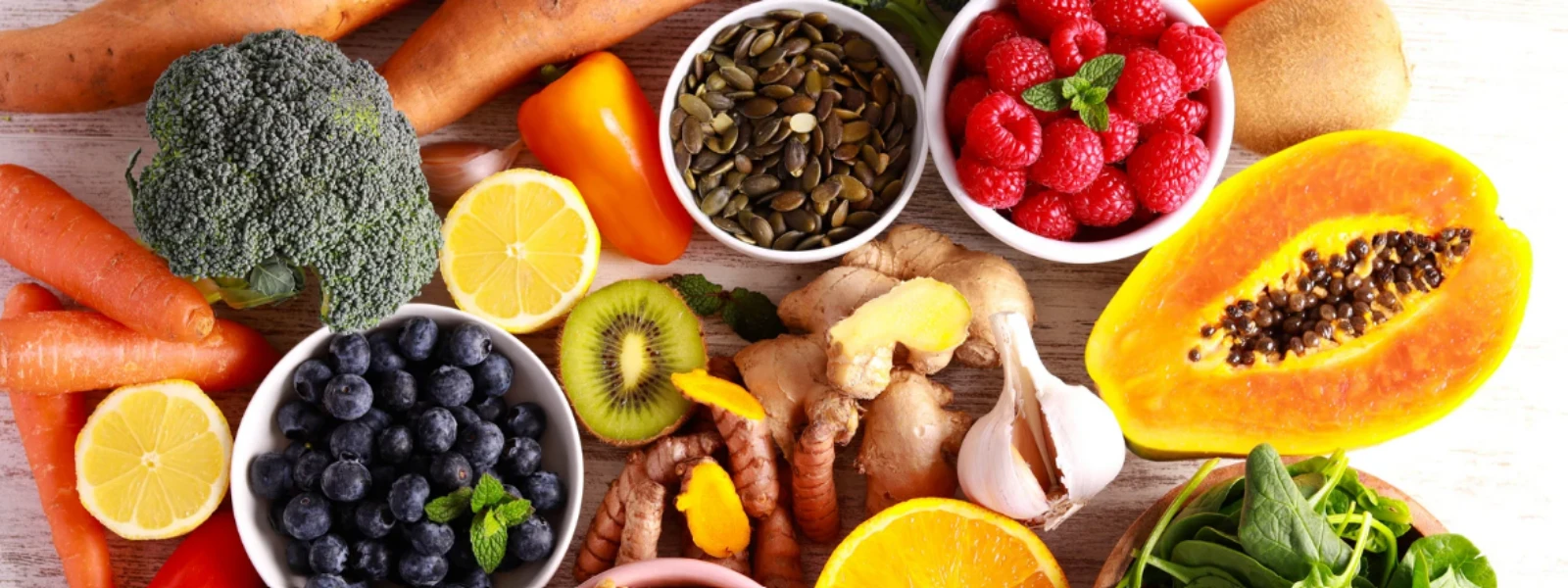
Excellent Vitamin C sources include citrus fruits, bell peppers, strawberries, kiwi, and broccoli. Try combining spinach salad with orange segments, or adding bell peppers to iron-rich lentil dishes. Even a small glass of orange juice with your iron supplement can significantly boost absorption.
Did You Know?
A single medium orange contains enough Vitamin C to triple the iron absorption from a cup of cooked spinach. This simple pairing can transform a poorly absorbed iron source into a highly bioavailable one.
Animal proteins contain compounds that enhance non-heme iron absorption, even in small amounts. Adding just 1-2 ounces of meat, poultry, or fish to plant-based iron sources can double absorption rates.
For vegetarians, combining different plant proteins can create similar effects. Pairing beans with nuts, or adding hemp seeds to iron-rich grains, provides amino acids that support iron uptake. This strategy works particularly well for those following plant-based diets who need to maximize iron absorption from non-heme sources.
Beta-carotene, found in orange and yellow vegetables, works synergistically with iron to improve absorption. Sweet potatoes, carrots, winter squash, and dark leafy greens provide this beneficial compound.
Research indicates that beta-carotene can increase iron absorption by 300% when consumed together. Try roasted sweet potato with black beans, or add grated carrots to iron-rich quinoa salads for maximum benefit.
Cooking acidic foods in cast iron cookware can increase iron content by 2-5mg per serving. This method works best with tomato-based sauces, citrus marinades, and other acidic ingredients that facilitate iron leaching from the cookware.
While this provides additional iron, it shouldn't replace dietary sources. Use this technique as a supplementary strategy, particularly when preparing iron-rich meals in cast iron pans.
Calcium competes with iron for absorption, reducing uptake by up to 60% when consumed simultaneously. This includes dairy products, calcium-fortified foods, and calcium supplements.
Space calcium-rich foods at least two hours away from iron-rich meals or iron supplements. If you take both calcium and iron supplements, consume them at different times of day for optimal absorption of both nutrients.
Tannins and polyphenols in tea, coffee, and red wine can reduce iron absorption by 50-90%. These compounds bind to iron, making it unavailable for absorption.
Wait at least one hour after iron-rich meals before consuming these beverages. If you're a regular tea or coffee drinker, consider switching to herbal teas during meals, or enjoy your favorite beverages between meals rather than with food.
Phytates in whole grains, legumes, and nuts can inhibit iron absorption. However, these foods also provide important nutrients and shouldn't be eliminated entirely.
Soaking, sprouting, or fermenting these foods reduces phytate content while preserving nutritional benefits. Soaking beans overnight before cooking, or choosing sourdough bread over regular whole grain bread, can improve iron bioavailability.
Adequate stomach acid is essential for converting iron into its absorbable form. Low stomach acid, common with aging or certain medications, significantly impairs iron absorption.
Signs of low stomach acid include bloating, heartburn, and undigested food in stools. Supporting stomach acid production through proper meal timing, avoiding excessive water with meals, and including naturally acidic foods can improve iron uptake.
Chronic inflammation in the digestive tract interferes with iron absorption and increases iron loss. Conditions like celiac disease, inflammatory bowel disease, and even mild food sensitivities can impact iron status.
Anti-inflammatory foods like fatty fish, leafy greens, and berries support gut healing while providing iron. Identifying and addressing food sensitivities can dramatically improve iron absorption in sensitive individuals.
A gentle digestive cleanse can remove barriers to iron absorption by reducing inflammation and supporting gut barrier function. Focus on fiber-rich foods, adequate hydration, and probiotic-rich foods to support digestive health.
Avoid harsh cleanses that might further deplete nutrients. Instead, emphasize whole foods, eliminate processed foods temporarily, and include gut-healing nutrients like L-glutamine and zinc to optimize your digestive system for better iron absorption.
Iron supplements become necessary when dietary changes alone cannot restore iron levels quickly enough. This often occurs with heavy menstrual bleeding, pregnancy, or diagnosed iron deficiency anemia.
Different forms of iron supplements have varying absorption rates. Ferrous sulfate is most common but can cause digestive upset. Chelated iron forms like iron bisglycinate offer better tolerance and absorption. Always work with a healthcare provider to determine appropriate dosing and monitor progress.
Food sources provide iron alongside other nutrients that support absorption and utilization. Red meat, organ meats, and seafood offer highly bioavailable heme iron. Plant sources like pumpkin seeds, dark chocolate, and fortified cereals can contribute significantly when combined with absorption enhancers.
Eating smaller, frequent iron-rich meals throughout the day can improve overall absorption compared to large, infrequent doses. This approach works particularly well for those with sensitive digestive systems.
When taking iron supplements, apply the same absorption principles used with food sources. Take supplements with Vitamin C, avoid calcium and coffee, and consider taking on an empty stomach if tolerated.
Some people benefit from taking iron supplements every other day rather than daily, as this allows the body's iron regulation system to reset and may improve overall absorption efficiency.
Combine iron-rich foods with Vitamin C sources, add small amounts of animal protein to plant-based iron meals, avoid calcium and polyphenols during iron-rich meals, and support gut health through proper nutrition and digestive wellness practices.
Calcium, zinc in high doses, and Vitamin E can decrease iron absorption when taken simultaneously with iron. Space these supplements at least two hours apart from iron intake for optimal absorption of all nutrients.
With optimal absorption strategies, iron levels typically begin improving within 2-4 weeks, with full restoration taking 3-6 months depending on the severity of deficiency and individual factors like gut health and absorption capacity.
Iron supplements can cause heartburn, nausea, constipation, and stomach upset. Taking with food, choosing chelated forms, starting with lower doses, or focusing on food sources can minimize these side effects while maintaining effectiveness.
Poor gut health, low stomach acid, inflammation, and compromised gut barrier function can significantly reduce iron absorption. Supporting digestive health through proper nutrition, stress management, and gut healing protocols improves iron uptake and overall nutrient absorption.
Boosting iron absorption naturally requires a comprehensive approach that goes beyond simply eating iron-rich foods. By understanding the interplay between different nutrients, timing your meals strategically, and supporting your digestive health, you can significantly improve your body's ability to absorb and utilize iron effectively. Remember that sustainable improvements in iron status take time and consistency. Focus on implementing these evidence-based strategies gradually, and work with healthcare providers to monitor your progress through appropriate testing. With patience and the right approach, you can overcome iron deficiency and enjoy the energy and vitality that comes with optimal iron levels.


Someone sent you
Error
Powered by ReferRush


