How to Boost Magnesium: Natural Food Guide
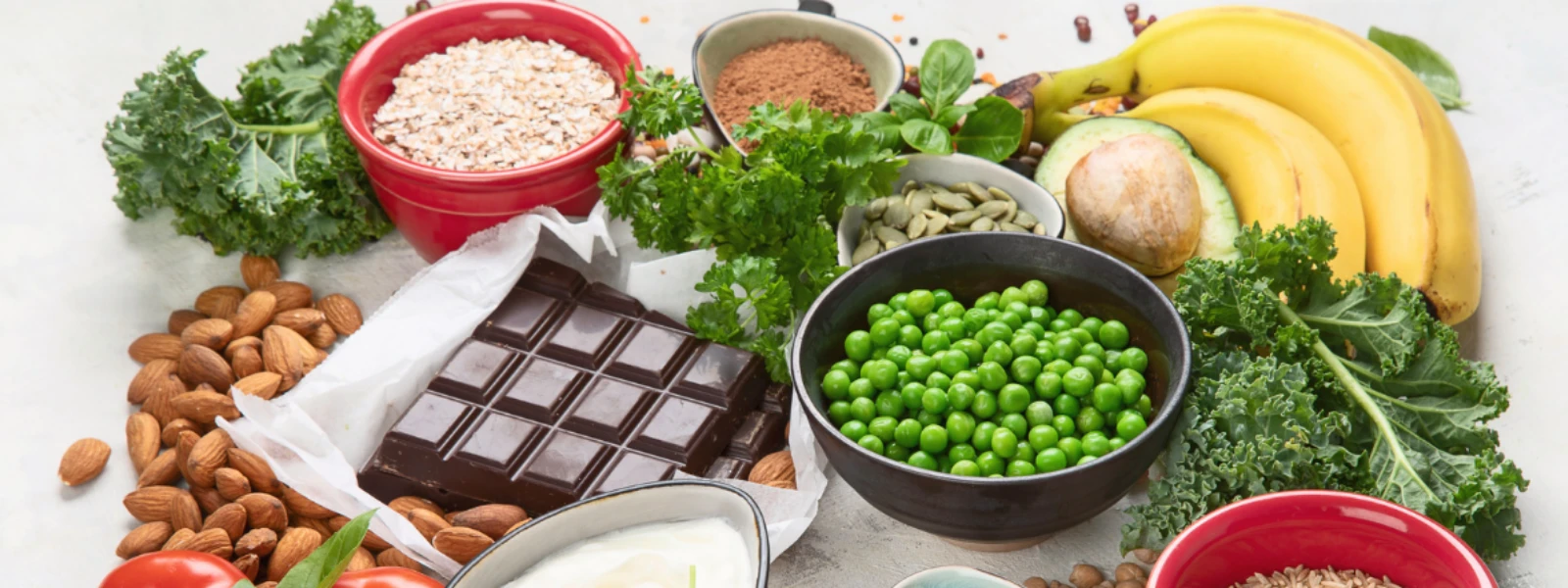


Magnesium plays a vital role in over 300 enzymatic reactions in your body, yet studies suggest that nearly 50% of adults don't get enough of this essential mineral from their diet. From supporting muscle function and energy production to promoting better sleep and digestive health, magnesium is truly a powerhouse nutrient that deserves attention in your daily nutrition plan.
This comprehensive guide will walk you through the best natural sources of magnesium, help you recognize deficiency symptoms, and provide practical strategies to boost your magnesium intake through whole foods. You'll discover which foods pack the most magnesium per serving, how to maximize absorption, and when food sources might need supplementation support.
Magnesium is the fourth most abundant mineral in your body, with about 60% stored in your bones and the remaining 40% distributed throughout your muscles, soft tissues, and blood. This mighty mineral acts as a cofactor in hundreds of biochemical reactions that keep your body functioning optimally.
The recommended daily allowance varies by age and gender. Adult men need approximately 400-420 mg daily, while adult women require 310-320 mg. These needs increase during pregnancy and lactation, reaching up to 350-360 mg per day.
Beyond its role in energy metabolism and protein synthesis, magnesium significantly impacts gut health. It helps regulate muscle contractions in your digestive tract, supports the production of digestive enzymes, and maintains the integrity of your intestinal barrier. This connection makes magnesium for gut health particularly important for overall wellness.
Early signs of magnesium deficiency can be subtle but shouldn't be ignored. Physical symptoms often include muscle cramps, twitches, and general fatigue. You might experience frequent headaches, weakness, or an irregular heartbeat.
Mental and emotional symptoms are equally telling. Low magnesium levels can contribute to increased anxiety, mood swings, difficulty concentrating, and sleep disturbances. Many people notice they feel more stressed or have trouble winding down at night when their magnesium levels are insufficient.
Digestive symptoms also provide important clues. Constipation, nausea, and loss of appetite can all indicate inadequate magnesium intake. Since magnesium helps regulate muscle function throughout your digestive system, deficiency can significantly impact your gut health and overall digestive comfort.
When it comes to magnesium rich foods, variety is key. Different food groups offer unique advantages in terms of bioavailability and additional nutrients that support magnesium absorption.
The bioavailability of magnesium from food sources typically ranges from 30-40%, which is generally higher than many synthetic supplements. Whole foods also provide complementary nutrients like Vitamin B6, Vitamin D, and healthy fats that enhance magnesium utilization in your body.
Dark leafy greens top the list of foods high in magnesium. One cup of cooked spinach provides approximately 157 mg of magnesium, nearly 40% of your daily needs. Swiss chard offers similar benefits with about 150 mg per cup, while kale provides around 23 mg per cup when raw.
To maximize absorption from these greens, consider light steaming or sautéing rather than boiling, which can leach minerals into cooking water. Pairing these vegetables with healthy fats like olive oil or avocado can also enhance nutrient absorption.
Pumpkin seeds are exceptional natural magnesium sources, containing about 168 mg per ounce. Almonds provide roughly 80 mg per ounce, while cashews offer about 74 mg. These nuts and seeds also supply healthy fats and protein, making them excellent snack choices.
Legumes like black beans contain approximately 60 mg of magnesium per half-cup serving, while chickpeas provide about 39 mg. Lentils offer around 36 mg per half-cup, making them valuable additions to soups, salads, and main dishes.
Brown rice contains about 44 mg of magnesium per half-cup serving, while quinoa provides approximately 59 mg. Oats offer around 28 mg per half-cup of dry oats. Choose whole grain versions over processed alternatives, as refining removes much of the natural magnesium content.
Did You Know?
Processing grains can remove up to 80% of their natural magnesium content. This is why choosing whole grains over refined options can significantly impact your daily magnesium intake.
Magnesium's role in digestive health extends beyond basic muscle function. It helps maintain the pH balance in your stomach, supports the production of digestive enzymes, and promotes healthy gut bacteria growth. This makes magnesium-rich foods excellent choices for natural gut cleanse foods.
Avocados are particularly beneficial, providing about 58 mg of magnesium per cup along with fiber and healthy fats that support digestive health. Dark chocolate (70% cacao or higher) offers approximately 64 mg per ounce while providing antioxidants that support overall wellness.
Bananas contain about 32 mg of magnesium per medium fruit and are excellent detox foods due to their potassium content and prebiotic fiber. Figs provide around 25 mg per large fig and offer additional fiber to support digestive regularity.
These foods work synergistically to support your body's natural detoxification processes. Magnesium helps relax the smooth muscles in your digestive tract, promoting regular bowel movements and helping eliminate waste products efficiently.
Understanding magnesium absorption can help you get the most from your food choices. Several factors influence how well your body absorbs and utilizes this essential mineral.
Vitamin D enhances magnesium absorption, so combining magnesium-rich foods with Vitamin D sources or getting adequate sunlight exposure can be beneficial. Vitamin B6 also supports magnesium utilization, making foods like salmon, tuna, and chickpeas excellent choices.
Conversely, certain substances can interfere with absorption. High amounts of calcium, zinc, or iron taken simultaneously can compete with magnesium for absorption. Phytic acid found in some grains and legumes can also bind magnesium, though soaking, sprouting, or fermenting these foods can reduce this effect.
Alcohol, caffeine, and high-sugar foods can increase magnesium excretion through your kidneys, potentially depleting your stores over time. Chronic stress also increases magnesium needs, as your body uses more of this mineral during stressful periods.
While magnesium supplements can be helpful in certain situations, food sources generally offer superior absorption and additional health benefits. Whole foods provide magnesium in a natural matrix with complementary nutrients that enhance utilization.
However, supplements may be appropriate for individuals with digestive conditions that impair absorption, those with significantly increased needs, or people who struggle to meet requirements through diet alone. When choosing supplements, look for forms like magnesium glycinate or magnesium citrate, which tend to be better absorbed than magnesium oxide.
Building a diet rich in natural sources of magnesium doesn't require dramatic changes. Start by incorporating one magnesium-rich food into each meal and snack throughout your day.
For breakfast, try oatmeal topped with sliced almonds and banana, or a smoothie with spinach, avocado, and pumpkin seeds. Lunch could include a quinoa salad with chickpeas and dark leafy greens, while dinner might feature salmon with steamed Swiss chard and brown rice.
Snacks can easily boost your magnesium intake. A handful of mixed nuts, dark chocolate squares, or hummus with vegetables all provide meaningful amounts of this essential mineral.
When grocery shopping, focus on whole, unprocessed foods. Choose dark leafy greens, nuts, seeds, legumes, whole grains, and fish. Reading nutrition labels can help you identify foods with higher magnesium content, though whole foods are generally your best bet.
Pumpkin seeds, dark leafy greens like spinach and Swiss chard, almonds, cashews, dark chocolate, avocados, and legumes like black beans are among the richest natural sources of magnesium.
Adult men need 400-420 mg daily, while adult women require 310-320 mg. Pregnant and lactating women need slightly more, around 350-360 mg per day.
Yes, most people can meet their magnesium needs through a varied diet rich in whole foods, though some individuals with increased needs or absorption issues may benefit from supplementation under healthcare guidance.
Avocados, leafy greens, legumes, and bananas are excellent choices as they provide magnesium along with fiber and other nutrients that support digestive health and beneficial gut bacteria.
High amounts of calcium, zinc, or iron taken simultaneously, phytic acid in some grains and legumes, alcohol, excessive caffeine, and high-sugar foods can all interfere with magnesium absorption or increase excretion.
Boosting your magnesium intake through natural food sources is both achievable and beneficial for your overall health. By incorporating a variety of magnesium-rich foods like leafy greens, nuts, seeds, legumes, and whole grains into your daily meals, you can support everything from muscle function and energy production to gut health and stress management. Remember that consistency matters more than perfection, and small changes to include more natural sources of magnesium can make a significant difference in how you feel and function. Consider exploring comprehensive wellness solutions that support your nutritional goals and complement your healthy eating efforts.


Someone sent you
Error
Powered by ReferRush


