How to Boost Retinol Naturally: A Complete Guide
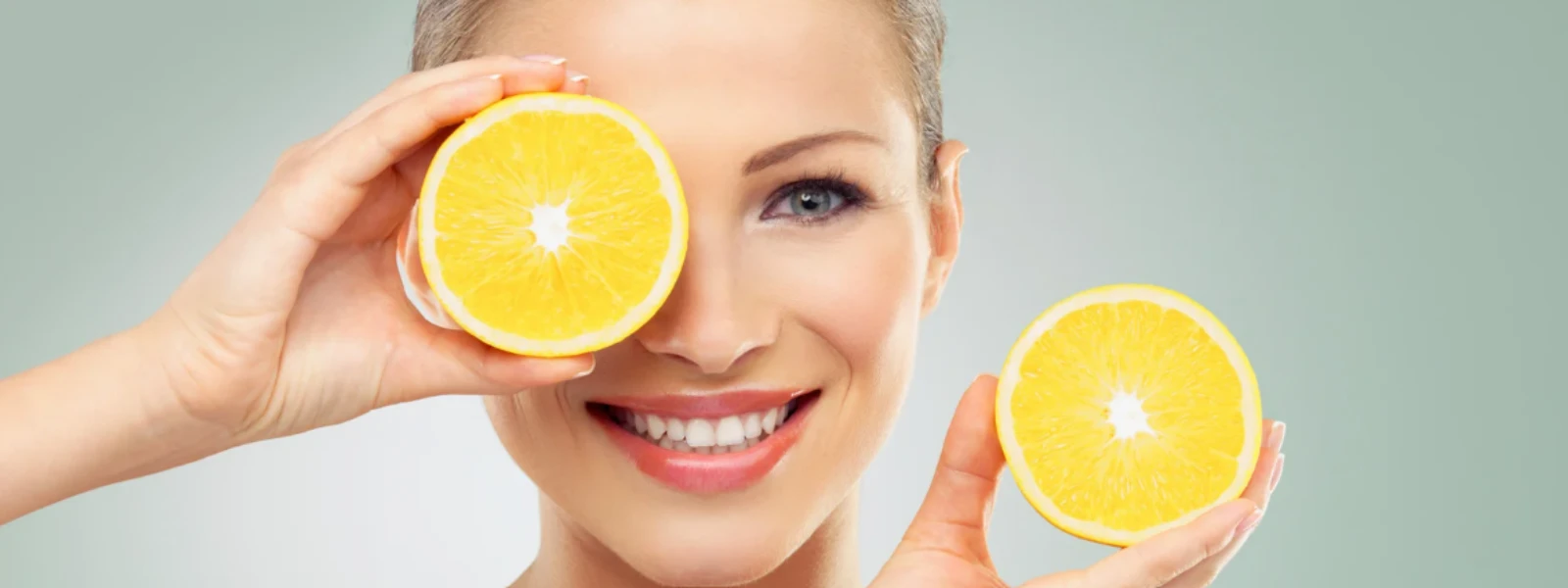


Your skin reflects what happens inside your body. While topical retinol products dominate beauty shelves, the most powerful approach to achieving healthy, glowing skin starts from within. Natural sources of retinol and vitamin A provide your body with the building blocks it needs for cellular renewal, collagen production, and overall skin health.
This comprehensive guide will walk you through the science-backed methods to boost your body's natural retinol levels through diet, lifestyle changes, and strategic nutrition choices. You'll discover how to identify the richest food sources, optimize absorption, and create sustainable habits that support long-term skin health from the inside out.
Natural retinol exists in two primary forms in your diet. Preformed vitamin A, found in animal products, comes as retinyl esters that your body can directly use. Provitamin A carotenoids, abundant in colorful plants, require conversion into active retinol through a complex process in your intestines and liver.
This carotenoid conversion varies significantly between individuals. Some people efficiently transform beta-carotene into retinol, while others may need higher amounts of plant-based sources to meet their vitamin A needs. Understanding your body's conversion efficiency helps you make informed choices about natural sources of retinol.
Your liver stores approximately 90% of your body's vitamin A reserves. This storage system allows your body to maintain steady retinol levels even when dietary intake fluctuates. However, optimal absorption depends on several factors, including gut health, fat intake, and overall digestive function.
Your digestive system plays a crucial role in converting and absorbing natural vitamin A. A healthy gut microbiome supports the enzymes needed for carotenoid conversion, while inflammation or digestive issues can significantly reduce absorption rates.
Bile production is essential for fat-soluble vitamin absorption, including vitamin A. When your liver and gallbladder function optimally, they produce adequate bile to emulsify fats and enhance retinol uptake. Poor digestive health can create a cascade effect, reducing your body's ability to utilize even the best natural sources of retinol.
Did You Know?
Your body absorbs beta-carotene from cooked vegetables up to five times more efficiently than from raw vegetables. The heat breaks down cell walls, making carotenoids more bioavailable for conversion to retinol.
Animal products provide the most concentrated and readily available forms of natural retinol. Beef liver tops the list, containing over 7,000 micrograms of vitamin A per 100-gram serving. This single serving provides more than seven times the daily recommended intake for adults.
Fish liver oils, particularly cod liver oil, offer another potent source of preformed vitamin A. Fatty fish like salmon, mackerel, and sardines contain moderate amounts of retinol while providing beneficial omega-3 fatty acids that support skin health and reduce inflammation.
Dairy products and eggs from pasture-raised animals typically contain higher retinol levels than conventional sources. The vitamin A content in these foods directly correlates with the animals' diet, making grass-fed and free-range options superior choices for natural retinol intake.
Pairing retinol rich foods with healthy fats enhances absorption significantly. Since vitamin A is fat-soluble, consuming these foods with avocado, olive oil, or nuts optimizes uptake. However, moderation is key, as excessive vitamin A from animal sources can lead to toxicity.
Cooking methods also influence retinol availability. Gentle cooking preserves vitamin A content better than high-heat methods. Steaming, poaching, or light sautéing maintains nutritional integrity while making nutrients more accessible.
Orange and red vegetables serve as excellent plant-based retinol alternatives. Sweet potatoes, carrots, and red bell peppers contain high concentrations of beta-carotene, the most efficiently converted carotenoid. One medium sweet potato provides enough beta-carotene to meet daily vitamin A needs when properly absorbed.
Dark leafy greens like spinach, kale, and collard greens offer another category of powerful beta-carotene sources. Despite their green color, these vegetables contain significant amounts of carotenoids masked by chlorophyll. Regular consumption of these foods for skin health supports steady natural retinol production.
Colorful fruits including cantaloupe, apricots, and mangoes provide natural vitamin A precursors along with vitamin C and other antioxidants that support skin health. These fruits offer a pleasant way to increase carotenoid intake while satisfying sweet cravings naturally.
Several factors influence how efficiently your body converts beta-carotene to retinol. Genetic variations in the BCMO1 gene can reduce conversion efficiency by up to 70% in some individuals. If you rely primarily on plant sources, you may need higher intakes to achieve optimal vitamin A status.
Combining carotenoid-rich foods with small amounts of fat dramatically improves absorption. Adding a tablespoon of olive oil to your salad or eating nuts with fruit can increase carotenoid uptake by 300-500%. This simple strategy maximizes the benefits of plant-based retinol alternatives.
A well-functioning digestive system forms the foundation for optimal natural retinol absorption. Supporting liver health through gentle detoxification practices can improve your body's ability to process and store vitamin A. Foods like cruciferous vegetables, beets, and dandelion greens support liver function naturally.
Reducing inflammation in the digestive tract enhances nutrient absorption across the board. Anti-inflammatory foods such as turmeric, ginger, and omega-3 rich fish create an environment where natural sources of retinol can be more effectively utilized.
Maintaining healthy gut bacteria through fermented foods and fiber-rich vegetables supports the enzymes needed for carotenoid conversion. A diverse microbiome contributes to better overall nutrient absorption and vitamin A metabolism.
Quality sleep plays a vital role in vitamin A metabolism and skin cell renewal. During deep sleep, your body repairs and regenerates skin cells, a process that requires adequate retinol levels. Prioritizing 7-9 hours of quality sleep supports your body's natural retinol utilization.
Regular exercise improves circulation, helping transport nutrients to skin cells more efficiently. Physical activity also supports liver function and overall metabolic health, creating optimal conditions for natural vitamin A processing.
Stress management significantly impacts nutrient absorption and utilization. Chronic stress can impair digestive function and reduce the body's ability to convert beta-carotene to active retinol. Incorporating stress-reduction techniques supports overall nutritional status.
Building meals around natural sources of retinol ensures consistent intake throughout the day. Start your morning with eggs from pasture-raised chickens or a smoothie containing spinach and mango. These breakfast options provide early vitamin A support while being easily digestible.
Lunch combinations might include a salad with mixed greens, grated carrots, and avocado, or a serving of wild-caught salmon with roasted sweet potatoes. These meals balance preformed vitamin A with carotenoid sources while providing the fats needed for absorption.
Dinner can feature liver once or twice weekly for those who enjoy it, or focus on colorful vegetables like roasted butternut squash, sautéed kale, and red bell peppers. These retinol alternatives provide substantial carotenoid content when prepared with healthy fats.
Batch cooking vitamin A-rich vegetables preserves their nutritional value while saving time. Roasting large quantities of sweet potatoes, carrots, and winter squash provides ready-to-eat options throughout the week. Store cooked vegetables in glass containers to maintain freshness and nutrient content.
Freezing certain vegetables can actually increase carotenoid availability. Frozen spinach and other leafy greens often contain higher beta-carotene levels than fresh varieties that have traveled long distances or been stored for extended periods.
Certain substances can interfere with vitamin A absorption and utilization. Excessive alcohol consumption impairs liver function and depletes vitamin A stores. Limiting alcohol intake supports optimal natural retinol metabolism.
Some medications, particularly those affecting fat absorption, can reduce vitamin A uptake. If you take medications regularly, discuss potential nutrient interactions with your healthcare provider to ensure adequate vitamin A status.
Iron deficiency can impair the conversion of beta-carotene to retinol. Ensuring adequate iron intake through foods like lean meats, legumes, and dark leafy greens supports optimal carotenoid conversion.
Signs of inadequate natural retinol intake include dry skin, poor night vision, and frequent infections. These symptoms may indicate the need to increase consumption of vitamin A foods or improve absorption through better digestive health.
Conversely, excessive vitamin A from supplements or large amounts of liver can cause toxicity. Natural food sources rarely cause vitamin A excess, but awareness of total intake helps maintain optimal balance.
Beef liver contains the highest concentration of natural retinol, followed by fish liver oils and other organ meats. Among more commonly consumed foods, fatty fish, egg yolks from pasture-raised chickens, and full-fat dairy products from grass-fed animals provide significant amounts of preformed vitamin A.
Yes, but it requires strategic planning and higher intakes of beta-carotene sources. Vegans should consume at least 6-12 times more beta-carotene than the recommended vitamin A intake to account for conversion inefficiency. Focus on deeply colored vegetables and fruits, and always pair them with healthy fats for optimal absorption.
Skin cell turnover typically takes 28-40 days, so improvements in skin texture and appearance from increased natural retinol intake usually become noticeable after 4-6 weeks of consistent dietary changes. However, some people may notice improvements in skin hydration and overall complexion within 2-3 weeks.
Food-based retinol and beta-carotene come with cofactors and other nutrients that enhance absorption and utilization. Whole foods provide a complex matrix of nutrients that work synergistically, while isolated supplements may not offer the same bioavailability or safety profile as natural sources.
Absolutely. Your gut health directly impacts vitamin A absorption and conversion. A healthy digestive system produces the enzymes needed to convert beta-carotene to retinol and absorb fat-soluble vitamins effectively. Poor gut health can reduce vitamin A absorption by up to 50%, even with adequate dietary intake.
Boosting your body's natural retinol levels through whole food sources provides a sustainable, safe approach to supporting skin health from within. By incorporating a variety of animal-based retinol rich foods and plant-based beta-carotene sources into your daily meals, you create a foundation for optimal vitamin A status. Remember that absorption depends heavily on gut health, proper food combinations, and overall lifestyle factors. Focus on supporting your digestive system, pairing vitamin A foods with healthy fats, and maintaining consistent intake for the best results. This natural approach to retinol nutrition supports not just skin health, but overall wellness and vitality.


Someone sent you
Error
Powered by ReferRush


