How to Harness Grape Pomace for Optimal Health
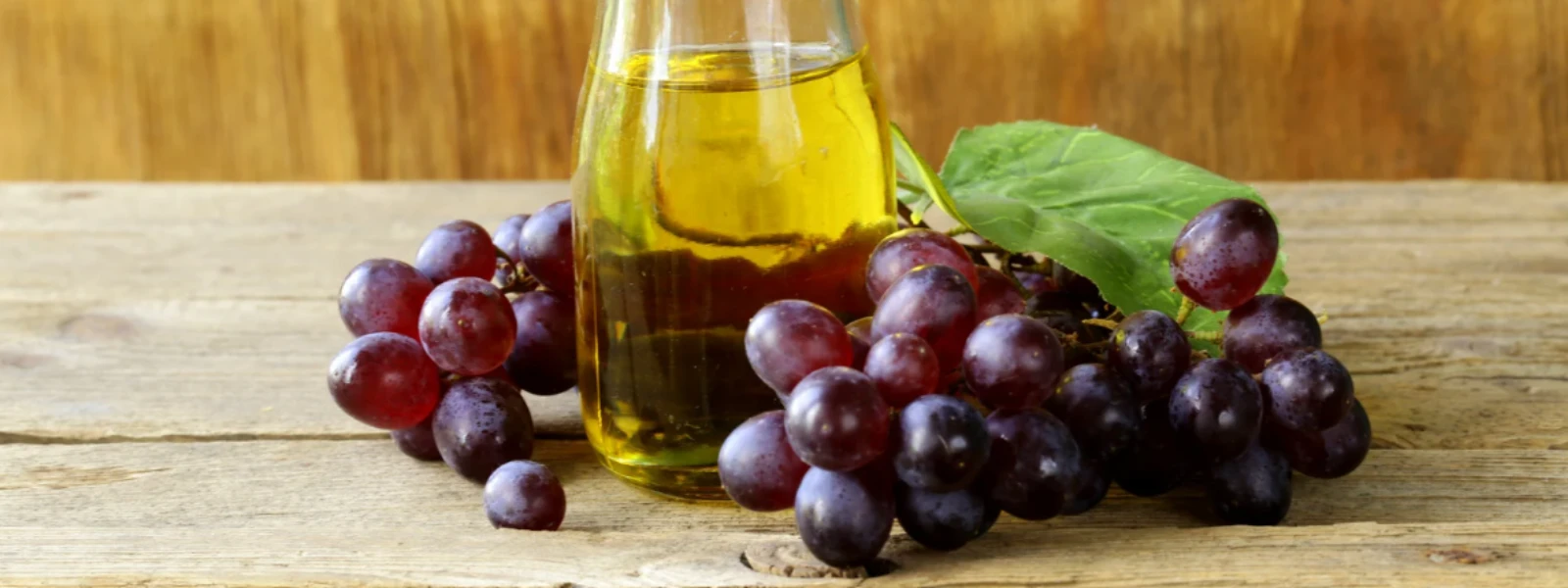


When you think of wine production, you probably picture elegant bottles and sophisticated tastings. But what happens to the leftover grape skins, seeds, and stems after the juice is extracted? This agricultural byproduct, known as grape pomace or grape marc, is transforming from winery waste into a powerful health supplement that's capturing the attention of nutrition researchers worldwide.
Grape pomace represents one of nature's most concentrated sources of antioxidants and dietary fiber, yet it's been largely overlooked until recently. This comprehensive guide will explore how this nutrient-dense byproduct can support your health goals, from promoting gut health to providing natural detoxification support.
Grape pomace consists of the solid remains left after grapes are pressed for juice during winemaking. This agricultural byproduct includes grape skins, seeds, pulp, and sometimes stems, depending on the production method. While the terms grape pomace and grape marc are often used interchangeably, they technically refer to the same substance at different stages of processing.
During wine production, grapes undergo crushing and pressing to extract juice. The remaining solid material becomes grape pomace, which can be processed fresh or dried for various applications. Fresh pomace contains higher moisture content and may have more volatile compounds, while dried pomace offers better stability and concentrated nutrients.
The composition of grape pomace varies depending on the grape variety, processing method, and whether it comes from red or white wine production. Red grape pomace typically contains higher levels of anthocyanins and other polyphenolic compounds due to extended skin contact during fermentation.
What makes grape pomace particularly valuable is its impressive nutritional profile. This winery waste contains 43-75% total dietary fiber, making it one of the richest fiber sources available. The fiber includes cellulose, hemicellulose, lignin, and pectin, each offering unique health benefits.
Beyond fiber, grape pomace is packed with bioactive compounds including resveratrol, catechins, epicatechin, and anthocyanins. These antioxidant properties rival those found in many popular superfoods, yet grape pomace remains significantly more affordable and sustainable.
Research into grape pomace benefits reveals impressive potential for supporting various aspects of health. The combination of high fiber content and potent antioxidants creates a synergistic effect that addresses multiple wellness concerns simultaneously.
The high fiber content in grape pomace acts as a prebiotic, feeding beneficial gut bacteria and promoting a healthy microbiome. Studies show that the diverse fiber types in pomace can improve digestive regularity and support intestinal health through anti-inflammatory mechanisms.
The polyphenolic compounds in grape pomace also demonstrate protective effects on the digestive system. These compounds help maintain the integrity of the intestinal barrier and may reduce inflammation in the gut lining, supporting overall digestive comfort.
Did You Know?
Grape pomace contains up to 20 times more antioxidants than the grape juice itself, making this former winery waste more nutritionally valuable than the primary product.
The antioxidant properties of grape pomace support the body's natural detoxification processes. The high concentration of polyphenols helps neutralize free radicals and may support liver function, which is crucial for processing and eliminating toxins from the body.
Unlike harsh detox programs, grape pomace provides gentle, ongoing support for your body's natural cleanse mechanisms. The fiber content also aids in the elimination of waste products through the digestive system, supporting overall detoxification.
Research suggests that grape pomace may support healthy blood circulation and cardiovascular function. The resveratrol and other polyphenols found in pomace have been studied for their potential to support heart health and maintain healthy blood pressure levels already within normal range.
Additionally, the fiber content may help support healthy cholesterol levels and blood sugar management, contributing to overall metabolic wellness.
Grape pomace is available in several forms, each offering different advantages for incorporation into your daily routine. Understanding these options helps you choose the most suitable format for your lifestyle and health goals.
Grape pomace powder is the most versatile form, easily mixed into smoothies, yogurt, or baked goods. This form retains the full spectrum of nutrients found in whole pomace, including fiber and all bioactive compounds.
Standardized grape seed extract, while technically different from whole pomace, offers concentrated antioxidants in a more convenient capsule form. However, it lacks the fiber benefits that make whole pomace particularly valuable for digestive health.
Most research suggests that 1-3 grams of grape pomace powder daily provides beneficial effects without adverse reactions. Start with smaller amounts to assess tolerance, particularly if you're not accustomed to high-fiber foods.
As with any supplement, it's important to choose products from reputable sources that provide third-party testing for purity and potency. Look for organic options when possible to minimize exposure to pesticide residues.
Not all grape pomace products are created equal. Quality varies significantly based on the source grapes, processing methods, and storage conditions. Understanding what to look for ensures you get the maximum health benefits from this powerful agricultural byproduct.
High-quality grape pomace should have a deep, rich color indicating preserved antioxidant content. The product should be free from artificial additives and processed using methods that preserve the delicate bioactive compounds.
Third-party testing for heavy metals, pesticides, and microbial contamination is essential, especially given that pomace is an agricultural byproduct that may concentrate environmental contaminants if not properly sourced.
Proper storage is crucial for maintaining the potency of grape pomace products. Powder forms should be kept in cool, dry conditions away from light to preserve the antioxidant properties. Most quality products will have clear expiration dates and storage instructions.
While grape seed extract has gained popularity as a concentrated antioxidant supplement, whole grape pomace offers advantages that isolated compounds cannot match. The fiber content alone makes pomace valuable for digestive health, while the full spectrum of compounds provides synergistic benefits.
Compared to other fruit extracts like blueberry or acai, grape pomace offers comparable antioxidant levels at a fraction of the cost. The sustainability factor also makes pomace an environmentally conscious choice, as it utilizes what would otherwise be agricultural waste.
Grape pomace has a mildly tart, earthy flavor with subtle grape notes. The taste is generally well-tolerated when mixed into smoothies or other foods, though some people prefer capsule forms to avoid the taste entirely.
Yes, grape pomace is generally safe for daily use when consumed in recommended amounts. However, individuals with grape allergies or those taking blood-thinning medications should consult healthcare providers before use.
Digestive benefits from the fiber content may be noticed within a few days to a week. Antioxidant benefits are more cumulative and may take several weeks of consistent use to become apparent.
The high antioxidant content may potentially interact with certain medications, particularly blood thinners. Always consult with a healthcare provider before adding any new supplement to your routine, especially if you take prescription medications.
Red grape pomace typically contains higher levels of anthocyanins and other polyphenolic compounds due to extended skin contact during fermentation. White grape pomace still offers significant fiber and antioxidant benefits but with a different compound profile.
Grape pomace represents a remarkable transformation from agricultural waste to wellness powerhouse. Its impressive combination of dietary fiber and antioxidant properties makes it a valuable addition to any health-conscious routine. From supporting gut health and natural detoxification to providing sustainable nutrition, this former winery waste offers benefits that extend far beyond its humble origins. As research continues to unveil the potential of this nutrient-dense byproduct, grape pomace stands as a testament to the hidden treasures found in nature's overlooked resources. Consider exploring how this powerful supplement might support your wellness journey while contributing to more sustainable consumption practices.


Someone sent you
Error
Powered by ReferRush


