How to Improve Gut Health with Digestive Enzymes?
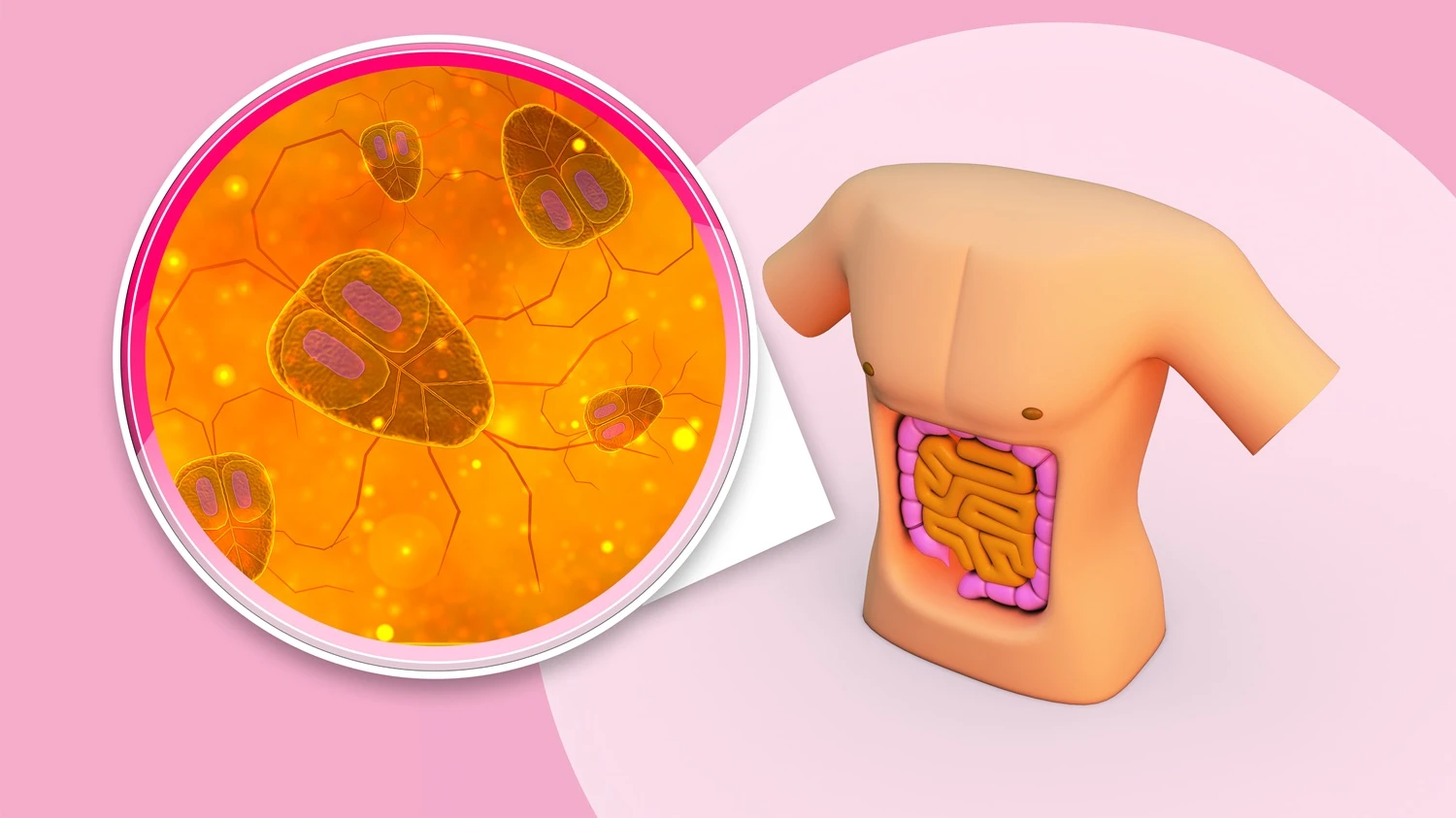


Your digestive system is home to trillions of microorganisms that influence everything from your immune function to your mood, making optimal digestive health crucial for overall wellness.
This comprehensive guide explores how digestive enzymes can transform your gut health by addressing common digestive issues like bloating, gas, and nutrient malabsorption. You'll discover the science behind these powerful biological catalysts, learn how to identify enzyme deficiencies, and understand how to strategically incorporate them into your wellness routine.
By reading this post, you'll gain evidence-based insights into selecting the right digestive enzymes for your specific needs, implementing a gut-friendly lifestyle that supports natural enzyme production, and creating a sustainable approach to digestive health that goes beyond quick fixes.
Digestive enzymes are specialized proteins that break down macronutrients—carbohydrates, proteins, and fats—into smaller molecules your body can absorb and utilize. Your pancreas, stomach, and small intestine naturally produce these enzymes, but factors like age, stress, and poor diet can significantly reduce their effectiveness.
Think of digestive enzymes as tiny scissors that cut food into pieces small enough for your cells to use. Without enough of these enzymes, your food sits in your gut partially broken down. This creates problems that go far beyond simple stomach discomfort.
When your body doesn't produce sufficient enzymes, undigested food particles can ferment in your intestines, leading to bloating, gas, and inflammation. This process disrupts your gut microbiome balance and can trigger a cascade of digestive issues that affect your overall well-being.
The fermentation process creates harmful byproducts that can damage your intestinal lining. Over time, this damage can lead to increased intestinal permeability, commonly known as leaky gut syndrome. This condition allows toxins and undigested food particles to enter your bloodstream, potentially triggering immune responses throughout your body.
Research indicates that proper enzyme function supports beneficial bacteria growth while inhibiting harmful microorganisms. This symbiotic relationship is essential for maintaining a healthy gut environment that promotes optimal digestion and immune function.
When digestive enzymes work efficiently, they create an environment where good bacteria can thrive. These beneficial microorganisms help produce additional enzymes, creating a positive cycle that supports long-term digestive health.
Recognizing enzyme deficiency symptoms can help you address digestive issues before they become chronic problems. Key indicators include persistent bloating after meals, undigested food particles in stool, frequent gas, and feeling overly full after eating normal portions.
Other signs include heartburn, acid reflux, and experiencing fatigue after eating. You might also notice that certain foods consistently cause digestive discomfort, particularly protein-rich meals, fatty foods, or complex carbohydrates like beans and cruciferous vegetables.
Chronic digestive discomfort often indicates underlying gut health imbalances that extend beyond simple enzyme deficiency. Understanding these connections helps you develop a more comprehensive approach to digestive wellness.
If you experience symptoms like chronic diarrhea, severe abdominal pain, or unexplained weight loss, these may signal more serious conditions that require professional medical evaluation. Digestive enzymes can support overall gut health, but they're not a cure for underlying medical conditions.
While comprehensive stool analysis and enzyme activity tests provide the most accurate assessment, you can also use elimination diets and symptom tracking to identify potential enzyme needs and monitor your progress.
Simple self-assessment involves keeping a food and symptom diary for two weeks. Note what you eat, when you eat it, and any digestive symptoms that follow. This information can help you identify patterns and determine which types of foods consistently cause problems.
Protease enzymes target protein molecules, converting them into amino acids your body can readily absorb. Insufficient protease activity often manifests as bloating after protein-rich meals and can contribute to food sensitivities.
These enzymes are particularly important for people who follow high-protein diets or experience discomfort after eating meat, dairy, or plant-based proteins. Protease enzymes help ensure that protein doesn't putrefy in your intestines, which can create toxic compounds and unpleasant digestive symptoms.
Lipase enzymes break down dietary fats, enabling your body to absorb fat-soluble vitamins (A, D, E, and K). Poor fat digestion can lead to greasy stools, bloating, and deficiencies in essential fatty acids.
Without adequate lipase activity, you might experience digestive discomfort after eating nuts, oils, or fatty fish. This enzyme is crucial for maintaining healthy cholesterol levels and supporting hormone production, as many hormones are made from cholesterol and fatty acids.
Amylase enzymes target starches and complex carbohydrates, while specialized enzymes like lactase and alpha-galactosidase address specific carbohydrate intolerances that commonly cause digestive discomfort.
Alpha-galactosidase helps break down complex sugars found in beans, vegetables, and grains that often cause gas and bloating. Lactase specifically targets lactose, the sugar found in dairy products, making it essential for people with lactose intolerance.
Expert Insight: "The Enzyme Timing Factor"
According to recent gastroenterology research, taking digestive enzymes 15-20 minutes before meals optimizes their effectiveness by allowing them to mix thoroughly with food during the initial stages of digestion. This timing strategy can improve enzyme efficiency by up to 40% compared to taking them with or after meals.
Enzyme supplements are measured in specific activity units rather than milligrams, making it crucial to understand these measurements when comparing products. Look for supplements that clearly list enzyme activity units for each component.
Different enzymes use different measurement units. For example, protease is measured in HUT (Hemoglobin Units Tyrosine), lipase in LU (Lipase Units), and amylase in DU (Dextrinizing Units). Higher numbers generally indicate more potent formulations, but the optimal amount depends on your individual needs.
Full-spectrum enzyme blends address multiple macronutrients simultaneously, while targeted formulas focus on specific digestive challenges. Your choice should align with your particular digestive needs and symptoms.
If you experience general digestive discomfort with various foods, a full-spectrum formula might be most beneficial. However, if you have specific intolerances, such as lactose or gluten sensitivity, targeted enzymes may provide more effective relief.
High-quality enzyme supplements undergo rigorous testing for potency, purity, and stability. Look for products with third-party certifications and avoid supplements with unnecessary fillers or artificial additives.
When evaluating enzyme supplements, prioritize those with superior ingredients, highly absorbable formats, palatable flavors. These factors ensure that you're getting maximum benefit from your supplementation while enjoying a pleasant experience that encourages consistent use.
The timing of enzyme supplementation significantly impacts their effectiveness. Understanding how to coordinate enzyme intake with different meal types and compositions maximizes their digestive benefits.
For large, complex meals containing multiple macronutrients, take enzymes 15-20 minutes before eating. For smaller meals or snacks, taking enzymes at the beginning of the meal is usually sufficient. Avoid taking enzymes on an empty stomach, as they need food to work effectively.
Enzyme dosage requirements vary based on factors like age, digestive health status, and meal composition. Starting with lower doses and gradually increasing allows you to find your optimal therapeutic range.
Begin with half the recommended dose to assess your tolerance, then gradually increase as needed. Pay attention to how your body responds and adjust accordingly. Some people need higher doses for large meals and lower doses for smaller meals.
Strategic combinations of digestive enzymes with probiotics, prebiotics, and other gut health supplements can create synergistic effects that enhance overall digestive function and support comprehensive gut health.
Probiotics and digestive enzymes work well together, as enzymes create a better environment for beneficial bacteria to thrive. Prebiotics feed these good bacteria, while digestive enzymes ensure that nutrients are properly broken down for optimal absorption.
Natural enzyme production typically decreases as we age, contributing to increased digestive issues over time. Understanding these changes helps you proactively address declining digestive function.
Starting around age 30, your body gradually produces fewer digestive enzymes. This decline accelerates after age 40, which explains why many people develop food intolerances or digestive issues that weren't problematic in their younger years.
Chronic stress, poor sleep, excessive alcohol consumption, and processed food diets significantly impact your body's ability to produce and utilize digestive enzymes effectively.
Stress diverts energy away from digestive processes, reducing enzyme production. Processed foods require more enzymes to digest while providing fewer nutrients to support enzyme production, creating a cycle that can worsen digestive health over time.
Certain foods contain natural enzymes or support your body's enzyme production. Incorporating these foods into your diet can complement supplementation and promote long-term digestive health.
Raw fruits like pineapple and papaya contain natural enzymes. Fermented foods like kimchi and sauerkraut provide both enzymes and beneficial bacteria. Zinc, magnesium, and B-vitamins are essential nutrients that support your body's natural enzyme production.
Digestive enzymes support gut cleanse efforts by ensuring complete food breakdown, reducing fermentation, and minimizing the toxic load on your digestive system. This process creates an environment conducive to beneficial bacteria growth.
When food is properly digested, there's less opportunity for harmful bacteria to feed on undigested particles. This reduces the production of toxic metabolites that can damage your intestinal lining and contribute to systemic inflammation.
Strategic elimination diets paired with appropriate enzyme supplementation can help identify food sensitivities while supporting digestive healing. This approach provides both immediate relief and long-term insights.
During an elimination diet, digestive enzymes can help you better tolerate the foods you're testing when you reintroduce them. This makes it easier to distinguish between true food sensitivities and digestive issues caused by inadequate enzyme production.
Maintaining gut barrier integrity during cleansing protocols is crucial for preventing increased intestinal permeability. Digestive enzymes help reduce inflammatory food particles that can compromise gut barrier function.
By ensuring complete protein breakdown, enzymes prevent large protein molecules from triggering immune responses in your intestinal lining. This protection is especially important during gut cleanse protocols when your digestive system may be more sensitive.
Most people notice initial improvements in bloating and digestive comfort within 3-7 days of consistent use. However, optimal benefits typically develop over 2-4 weeks as your digestive system adapts to improved food breakdown and reduced fermentation.
Digestive enzymes support gut cleanse efforts but don't replace comprehensive cleansing protocols. They work synergistically with elimination diets, probiotics, and other gut health strategies to optimize digestive function and support natural detoxification processes.
High-quality digestive enzymes are generally safe for long-term use when taken appropriately. Some people may experience mild nausea or stomach upset initially, which typically resolves as the body adapts. Always consult healthcare providers for personalized guidance.
Positive indicators include reduced bloating after meals, improved bowel regularity, decreased gas and digestive discomfort, better energy levels after eating, and overall improved digestive comfort. Keep a symptom diary to track your progress objectively.
Yes, digestive enzymes typically complement other gut health supplements like probiotics, prebiotics, and gut-healing nutrients. However, timing and combinations matter, so consider working with a healthcare provider to optimize your supplement protocol for maximum effectiveness.
Improving gut health with digestive enzymes requires a strategic, science-based approach that goes beyond simple supplementation. By understanding how enzymes support digestive function, identifying your specific needs, and implementing comprehensive gut health strategies, you can achieve lasting improvements in digestive comfort and overall wellness. The key lies in combining appropriate enzyme supplementation with lifestyle modifications that support your body's natural digestive processes.
Remember that optimal gut health is a journey that benefits from professional guidance and consistent implementation of evidence-based strategies. Consider exploring comprehensive gut health programs that integrate digestive enzyme therapy with personalized nutrition and lifestyle recommendations to maximize your digestive wellness outcomes.


Someone sent you
Error
Powered by ReferRush


