Kadha Tea: Your Complete Wellness Guide
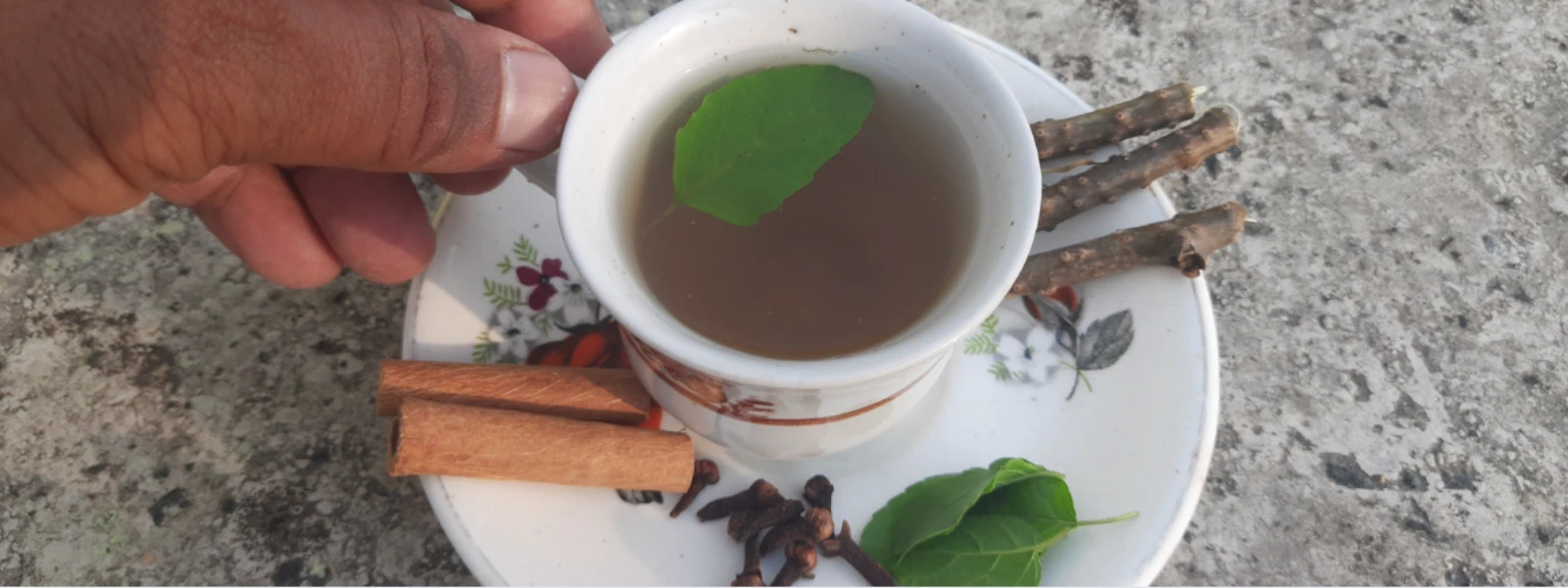


Ancient wisdom meets modern wellness in the form of kadha tea, a traditional Ayurvedic herbal remedy that has been strengthening immune systems for thousands of years. This aromatic spice tea combines powerful ingredients like ginger, turmeric, and holy basil to create a natural immunity boosting tea that supports your body's defense mechanisms. Whether you're seeking a homemade remedy for seasonal wellness or looking to incorporate a daily detox tea into your routine, understanding the science behind kadha can transform your approach to preventive health.
This comprehensive guide will walk you through everything you need to know about kadha tea - from its ancient Ayurvedic origins to evidence-based health benefits, traditional preparation methods, and optimal consumption practices for maximum wellness support.
Kadha tea represents one of Ayurveda's most treasured herbal formulations, designed to balance the body's natural healing processes. Unlike regular herbal teas that often focus on single ingredients, kadha combines multiple therapeutic spices and herbs in specific proportions to create a synergistic wellness blend.
The term "kadha" comes from the Sanskrit word meaning "decoction," referring to the traditional method of extracting beneficial compounds by gently simmering herbs and spices in water. This ayurvedic tea differs from modern tea preparations because it emphasizes the bioactive extraction process rather than simple steeping.
Traditional kadha preparation involves slow-cooking fresh ingredients to release their essential oils, antioxidants, and therapeutic compounds. This method ensures maximum potency compared to instant tea bags or powdered versions. The resulting brew delivers concentrated nutrition that supports multiple body systems simultaneously.
Modern wellness enthusiasts are rediscovering kadha's benefits as scientific research validates what Ayurvedic practitioners have known for centuries - that combining specific spices creates more powerful health effects than using individual ingredients alone.
Research supports kadha tea's reputation as a comprehensive wellness solution, with studies highlighting its multi-system benefits for immune function, respiratory health, and digestive support.
Kadha's immunity boosting properties stem from its rich concentration of antioxidants, antimicrobial compounds, and anti-inflammatory agents. The combination of ginger's gingerols, turmeric's curcumin, and holy basil's eugenol creates a powerful defense against oxidative stress and pathogenic threats.
Studies show that regular consumption of these combined ingredients can enhance white blood cell activity and support the body's natural immune response. The bioactive compounds work synergistically to strengthen your body's first line of defense against seasonal challenges.
The warming spices in kadha tea provide natural relief for respiratory discomfort while supporting healthy mucus clearance. Ginger's anti-inflammatory properties help soothe irritated airways, while mint's menthol compounds act as natural decongestants.
For digestive health, kadha functions as an effective gut cleanse tea by stimulating digestive enzymes and promoting healthy gut bacteria balance. The combination of warming spices enhances nutrient absorption while supporting the body's natural detoxification processes.
Did You Know?
Black pepper in kadha recipes isn't just for flavor - it contains piperine, which increases the bioavailability of turmeric's curcumin by up to 2000%, making your homemade remedy significantly more effective than consuming these ingredients separately.
Creating authentic kadha tea at home requires understanding both ingredient selection and proper preparation techniques to maximize therapeutic benefits.
A traditional kadha recipe includes fresh ginger root (1-inch piece) for digestive support and immune enhancement, turmeric powder (1/2 teaspoon) for anti-inflammatory benefits, black pepper (3-4 whole peppercorns) to enhance nutrient absorption, and fresh mint leaves (5-6 leaves) for respiratory support.
Optional additions include cinnamon bark for blood sugar support, whole cloves for antimicrobial benefits, and holy basil leaves for stress adaptation. Each ingredient contributes specific therapeutic compounds that work together to create kadha's comprehensive wellness effects.
Begin by bringing 2 cups of water to a gentle boil in a heavy-bottomed pot. Add crushed ginger, whole spices, and turmeric powder. Reduce heat and simmer for 10-15 minutes, allowing the water to reduce by half. Add fresh herbs like mint and tulsi in the final 2-3 minutes to preserve their volatile oils.
Strain the mixture through a fine mesh to remove solid particles. The resulting kadha should have a golden color and aromatic spice fragrance. Consume warm for optimal absorption and therapeutic effect.
Understanding each component's contribution helps you appreciate why this spice tea has remained a cornerstone of Ayurvedic medicine for millennia.
Fresh ginger provides gingerols and shogaols, compounds that stimulate digestive enzymes and reduce inflammation throughout the gastrointestinal tract. Research shows ginger tea benefits include enhanced nutrient absorption, reduced nausea, and improved gut motility.
Turmeric tea delivers curcumin, a potent anti-inflammatory compound that supports joint health, cardiovascular function, and cognitive performance. When combined with black pepper in kadha, curcumin's bioavailability increases dramatically, enhancing its therapeutic potential.
Tulsi or holy basil contributes adaptogenic properties that help the body manage stress responses while supporting immune function. Its eugenol content provides antimicrobial benefits, making it an essential component of immunity boosting tea formulations.
Modern lifestyles often burden our digestive systems with processed foods, environmental toxins, and chronic stress. Kadha tea serves as a gentle yet effective gut cleanse tea that supports your body's natural detoxification mechanisms.
The warming spices in kadha stimulate digestive fire (agni in Ayurveda), enhancing your body's ability to break down food efficiently and eliminate waste products. This process reduces the toxic load on your liver and kidneys while promoting healthy gut bacteria balance.
Regular kadha consumption supports the gut-liver axis, helping your body process and eliminate metabolic waste more effectively. The anti-inflammatory compounds reduce intestinal inflammation while promoting healthy mucus production that protects your digestive tract.
For optimal detox benefits, consume kadha tea on an empty stomach in the morning, allowing the therapeutic compounds to work without interference from food. This timing maximizes absorption while supporting your body's natural morning detoxification processes.
Strategic timing enhances kadha tea's therapeutic effects while ensuring safe, sustainable consumption practices.
Drinking kadha tea first thing in the morning supports your body's natural awakening processes while providing sustained energy without caffeine crashes. The warming spices stimulate circulation and metabolism, preparing your digestive system for the day ahead.
During colder months or seasonal transitions, daily kadha consumption provides extra immune support when your body faces increased environmental challenges. In warmer seasons, 3-4 times per week may be sufficient for maintaining wellness benefits.
Listen to your body's responses and adjust frequency accordingly. Some people thrive on daily consumption, while others prefer kadha as a targeted remedy during times of increased stress or seasonal challenges.
Yes, daily kadha consumption is generally safe for most healthy adults when prepared with moderate spice quantities. The natural ingredients support ongoing wellness without building tolerance or dependency. However, start with 3-4 times per week and gradually increase frequency based on your body's response.
Kadha's warming spices and antimicrobial compounds can provide natural support for respiratory comfort. Ginger helps reduce inflammation in airways, while mint acts as a natural decongestant. The steam from hot kadha also provides additional respiratory benefits through aromatherapy effects.
Homemade kadha using fresh ingredients provides significantly higher potency and therapeutic value compared to processed tea bags. Fresh preparation allows you to control ingredient quality and proportions while ensuring maximum extraction of beneficial compounds through proper simmering techniques.
Many people experience immediate warming and digestive benefits within 30 minutes of consumption. For immune support and long-term wellness benefits, consistent daily consumption for 2-3 weeks typically produces noticeable improvements in energy levels and overall vitality.
Kadha is generally well-tolerated, but some people may experience mild digestive warmth or increased circulation. Those with sensitive stomachs should start with smaller quantities and avoid consumption on completely empty stomachs. Pregnant women and individuals with specific health conditions should consult healthcare providers before regular consumption.
Kadha tea represents a perfect fusion of ancient wisdom and modern wellness needs, offering a natural, science-backed approach to supporting your immune system and overall health. From its traditional Ayurvedic roots to contemporary research validating its benefits, this powerful herbal remedy provides comprehensive support for immunity, digestion, and detoxification. By incorporating homemade kadha into your daily routine using fresh, quality ingredients, you're investing in a time-tested wellness practice that nourishes your body from the inside out. Whether you're seeking seasonal immune support or looking to establish a foundation for long-term health, kadha tea offers a gentle yet effective path toward optimal wellness.


Someone sent you
Error
Powered by ReferRush


