Sea Buckthorn Berry: Expert Insights into Its Versatile Uses
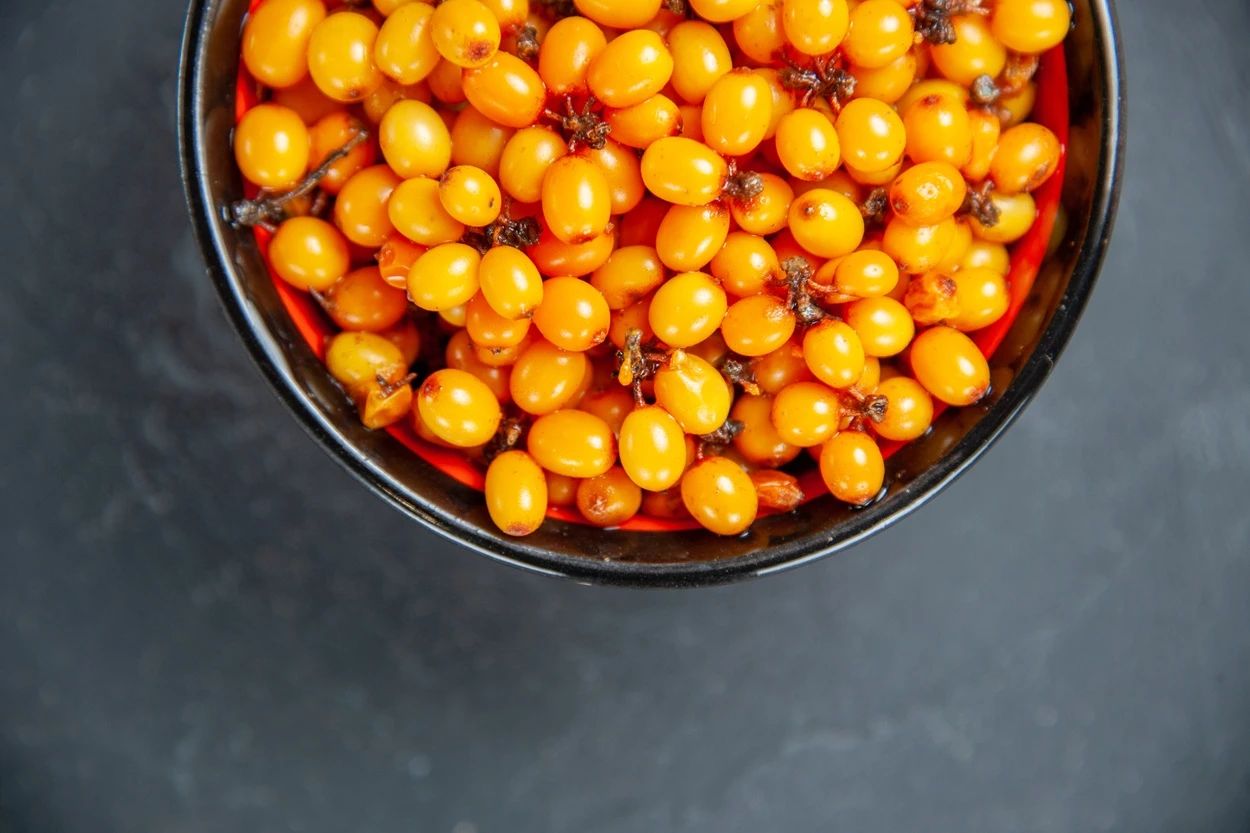


Sea buckthorn berry has been used in traditional medicine for over 1,200 years across Asia and Europe. Yet modern science is only beginning to uncover the full depth of what this small, bright orange fruit can offer. From the Himalayan highlands to Scandinavian folk traditions, this berry has quietly held a place in wellness long before the word "superfood" existed. Today, it is gaining well-deserved recognition in nutrition science, functional food research, and gut health conversations worldwide. This blog offers expert, science-backed insights into the nutritional composition, health applications, and versatile uses of sea buckthorn berry — so you can make informed decisions about whether it belongs in your wellness routine.
Sea buckthorn berry comes from Hippophae rhamnoides, a thorny shrub belonging to the Elaeagnaceae family. The plant thrives in cold, arid climates and is native to the Himalayan ranges, Siberia, Mongolia, Northern Europe, and parts of China. The berries grow in dense clusters along the branches and are harvested seasonally, typically in late summer to early autumn. They are small, round to oval in shape, and display a vivid orange-yellow color. Their flavor is intensely tart and slightly astringent — a sensory signature of their high bioactive content.
Tibetan, Chinese, Russian, and Scandinavian traditions have all documented the use of sea buckthorn berry for centuries. In Tibetan medicine, it appeared in ancient texts as a remedy for digestive and respiratory concerns. In Chinese traditional medicine, it was used to support circulation and digestion. Russian cosmonauts reportedly used sea buckthorn oil for skin protection. This cross-cultural legacy is not coincidental — it reflects a long-standing recognition of the berry's nutritional and functional value, now being validated through modern research.
Sea buckthorn nutrition stands apart because of the sheer breadth of vitamins concentrated in a single berry. It contains Vitamin C, Vitamin E, Vitamin A, Vitamin K, and a range of B Vitamins — a combination rarely found together in one plant source. Vitamin C content in sea buckthorn can significantly exceed that of citrus fruits, making it one of the most potent natural sources available. These vitamins work together in antioxidant synergy, helping to neutralize free radicals and support immune cell function.
One of the most remarkable aspects of sea buckthorn nutrition is the presence of all four omega fatty acids — Omega-3, Omega-6, Omega-7, and Omega-9 — in a single plant source. This is exceptionally rare in the plant kingdom. Omega-7, also known as palmitoleic acid, is particularly noteworthy. It closely mirrors the fatty acid composition of human skin and plays a documented role in supporting mucosal membrane integrity, including the lining of the gut.
Beyond vitamins and fatty acids, sea buckthorn berry is rich in carotenoids such as beta-carotene, lycopene, and zeaxanthin. It also contains flavonoids including isorhamnetin and quercetin, along with a broad spectrum of polyphenols. These compounds contribute to the berry's significant antioxidant capacity and play a role in reducing oxidative stress at the cellular level.
Insight Corner: The Omega-7 Distinction
Among all plant-based foods, sea buckthorn berry stands as one of the few natural sources of Omega-7 fatty acid (palmitoleic acid) — a lipid that mirrors the fatty acid composition of human skin and plays a documented role in supporting mucosal membrane integrity, including the gut lining.
The gut mucosal lining acts as a protective barrier between the digestive tract and the bloodstream. Omega-7 fatty acids found in sea buckthorn berry are associated with supporting the integrity of epithelial tissue — the cells that make up this lining. A well-maintained gut barrier is central to digestive comfort and overall gut health. Sea buckthorn oil has also been used traditionally to support recovery from gastric mucosal irritation, a use that has attracted growing scientific interest.
The flavonoids and polyphenols in sea buckthorn berry, particularly isorhamnetin, have demonstrated anti-inflammatory properties in research settings. Chronic low-grade inflammation in the gut can disrupt digestion and compromise the gut environment. The antioxidant compounds in sea buckthorn may help reduce oxidative stress within the digestive tract, supporting a more balanced gut environment over time.
Within a gut detox or cleanse protocol, sea buckthorn berry offers a nutritionally dense, functional complement. Its antioxidant load supports the body's natural processes of managing oxidative burden. Certain compounds in sea buckthorn are also associated with liver-supportive activity — and the liver plays a central role in the body's natural detoxification pathways. Paired with probiotics and dietary fiber, sea buckthorn can serve as a meaningful addition to a structured gut wellness approach.
Sea buckthorn uses in the culinary world are broad and growing. The berry is incorporated into jams, sauces, teas, and functional food formulations. Its tart flavor profile pairs well with sweeter fruits and can be balanced in blended preparations. Health-focused recipes increasingly feature sea buckthorn as a nutrient-dense ingredient that adds both flavor complexity and functional value.
Sea buckthorn is available in capsule, powder, and oil extract forms for those seeking a more concentrated and convenient intake. When evaluating a supplement, look for standardized extracts with documented bioactive concentrations. Superior ingredients, highly absorbable formats, palatable flavors are the markers of a well-formulated sea buckthorn supplement. Bioavailability — how well the body absorbs and uses the active compounds — is a key consideration when choosing between forms.
Sea buckthorn oil is widely used in dermatological wellness. Its Vitamin E and carotenoid content make it a valued ingredient in skincare formulations aimed at nourishing and protecting the skin. Traditionally, it has been applied to support wound healing and skin recovery. Its fatty acid profile, particularly the Omega-7 content, is also associated with skin hydration and elasticity.
Label literacy matters when selecting a sea buckthorn juice. Look for products that are 100% pure juice with no added sugars, cold-pressed or minimally processed, and made from a standardized berry concentration. Avoid products with artificial additives or excessive dilution. The quality of the source berry and the extraction method directly influence the nutritional value of the final product.
Vitamin C is one of the most well-researched nutrients in immune function. It supports the production and activity of immune cells and acts as a primary antioxidant in the body. Sea buckthorn berry's Vitamin C content is notably high — often cited as significantly exceeding that of common citrus sources. It also plays a role in collagen synthesis, which supports tissue integrity throughout the body.
What makes sea buckthorn berry particularly compelling from a nutritional standpoint is the concept of antioxidant synergy. When multiple antioxidant compounds — Vitamin C, Vitamin E, carotenoids, and polyphenols — are present together in a whole-food source, they can work in a complementary and reinforcing manner. This is distinct from isolated supplement forms, where individual compounds act without the broader nutritional context of the whole berry.
Sea buckthorn is available in several forms, each suited to different wellness goals. Juice is practical for daily antioxidant and immune support. Oil is better suited for skin health and mucosal support due to its fat-soluble compound concentration. Capsules and powders offer convenience and standardized dosing for those seeking a more targeted approach. The right form depends on your specific health goals, lifestyle, and how you prefer to integrate supplements into your routine.
Sea buckthorn works well within a holistic wellness approach. For gut health, pairing it with probiotics and dietary fiber can support a more comprehensive digestive wellness strategy. For immune support, combining it with Vitamin D may offer complementary benefits. For fat-soluble vitamin absorption — particularly Vitamins A, E, and K — consuming sea buckthorn alongside healthy dietary fats can enhance bioavailability. As with any new supplement, consulting a healthcare professional before beginning a regimen is always advisable.
Sea buckthorn berry is the fruit of the Hippophae rhamnoides shrub, native to the Himalayan region, Siberia, and parts of Europe. It is widely regarded as a superfood due to its exceptionally dense nutritional profile, which includes rare combinations of Vitamins C, E, A, and K, all four omega fatty acids, carotenoids, flavonoids, and a broad spectrum of minerals. Few plant-based foods offer this breadth of bioactive compounds in a single source, which is why sea buckthorn berry has attracted significant attention in both traditional medicine and modern nutritional science.
Sea buckthorn is used across a wide range of health and wellness applications. In nutrition, it is consumed as a juice, powder, or whole berry for its antioxidant and immune-supportive properties. In gut health protocols, it is valued for its Omega-7 content and its role in supporting mucosal membrane integrity. Topically, sea buckthorn oil is used in skincare for its Vitamin E and carotenoid content. It is also formulated into nutraceutical capsules and standardized extracts for targeted supplementation. Its versatility across these categories makes it one of the more comprehensively applicable botanical ingredients available.
The nutritional distinction of sea buckthorn lies in the simultaneous presence of all four omega fatty acids — Omega-3, Omega-6, Omega-7, and Omega-9 — alongside a high concentration of Vitamin C that can significantly exceed that found in citrus fruits. The presence of Omega-7 (palmitoleic acid) is particularly rare in plant sources and is associated with mucosal membrane support and skin health. Combined with its carotenoid richness, flavonoid content, and fat-soluble vitamins, sea buckthorn offers a nutritional complexity that most other berries do not replicate.
Sea buckthorn juice, particularly when cold-pressed and minimally processed, retains a significant portion of the berry's water-soluble nutrients, including Vitamin C, flavonoids, and organic acids. However, some fat-soluble compounds such as omega fatty acids and carotenoids may be more concentrated in sea buckthorn oil or whole-berry preparations. The choice between juice and other forms depends on individual wellness goals. For antioxidant and immune support, high-quality sea buckthorn juice is a practical and effective option. For skin and mucosal health, oil-based preparations may offer additional advantages.
Sea buckthorn berry supports gut health through several complementary mechanisms. Its Omega-7 fatty acid content is associated with maintaining the integrity of mucosal membranes that line the digestive tract. Its polyphenols and flavonoids contribute to reducing oxidative stress and inflammation within the gut environment. Additionally, the antioxidant compounds in sea buckthorn may support liver function, which plays a central role in the body's natural detoxification processes. When incorporated into a structured gut detox or cleanse regimen, sea buckthorn berry can serve as a nutritionally dense, functional complement to broader digestive wellness practices.
Sea buckthorn berry is not a passing wellness trend. It is a botanically rich, scientifically supported ingredient with a history spanning over a millennium and a growing body of modern research to back it up. From its extraordinary sea buckthorn nutrition profile — encompassing rare omega fatty acids, high-potency Vitamin C, carotenoids, and flavonoids — to its versatile sea buckthorn uses across gut health, immunity, skincare, and functional food, this small berry carries significant nutritional weight. Sea buckthorn juice offers an accessible and practical way to incorporate its benefits into a daily routine, while oil and capsule forms provide targeted options for specific wellness goals. At Wellbeing Nutrition, the commitment to science-backed wellness means exploring ingredients like sea buckthorn berry with the depth and rigor they deserve. We invite you to explore our range of thoughtfully formulated products and learn more about how evidence-led nutrition can support your long-term wellbeing.




Someone sent you


