What Actually Works for Gut Health: Best Prebiotic Foods
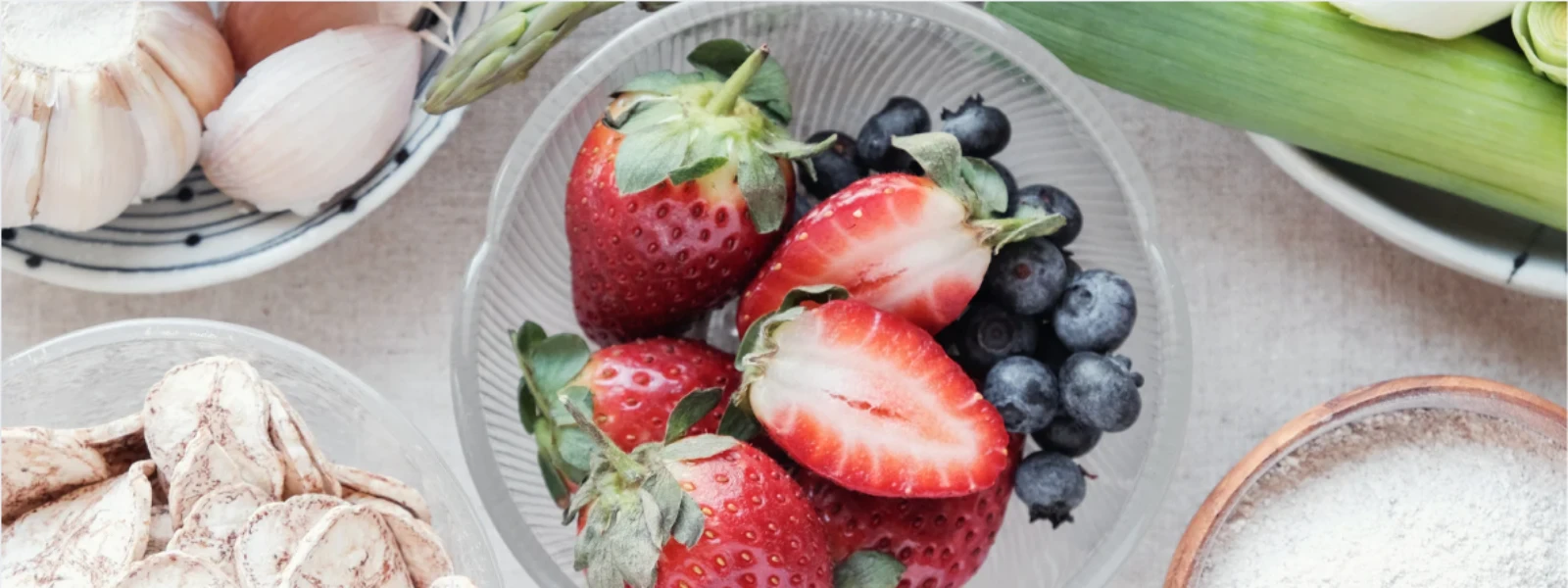


Gut health foods do more than add fibre to a meal. Some contain prebiotic fibres that reach the large intestine and feed beneficial gut bacteria. This guide explains the best prebiotic foods for gut health, simple ways to eat them, and how to introduce them with care.
Prebiotics are non-digestible fibres. They pass through the upper digestive tract and become food for beneficial gut bacteria. This makes them part of a food-first approach to natural gut health.
A healthy gut depends on many factors, including overall food choices and fibre intake. Prebiotic foods can be a useful part of a varied diet that supports digestive health.
Prebiotics feed beneficial bacteria already present in the gut microbiome. Probiotics are live microorganisms found in certain fermented foods and products. They are not the same, but both are often discussed in relation to gut health.
Fermented foods and prebiotic foods can fit into the same eating pattern. Yet each food should be judged by its own ingredients and fibre content.
The best prebiotic foods for gut health are usually fibre rich foods that you can eat often. Chicory root and garlic are widely noted as leading prebiotic sources. Other practical choices include onions, bananas, oats, barley, asparagus, Jerusalem artichokes, apples, and legumes.
Garlic and onions can add flavour to soups, stews, and savoury dishes. Oats and barley work well in breakfast bowls or warm meals. Bananas and apples are easy snack options. Legumes can add fibre and substance to salads, curries, and soups.
Fructans are associated with foods such as garlic, onions, chicory root, asparagus, and Jerusalem artichokes. Inulin is a type of fructan often discussed with chicory root. Fructo-oligosaccharides, also called FOS, are another prebiotic fibre group.
Galacto-oligosaccharides, or GOS, are linked with legumes. Pectin is found in apples. These terms describe different fibres, not a reason to rely on only one food.
Insight Corner: Start With Variety
Different prebiotic foods provide different fibre types. Rotating foods may feel more manageable than eating a large amount of one fibre source.
A practical six-food starting group is garlic, onions, oats, apples, bananas, and legumes. These foods appear in the prebiotic list and are simple to use across meals.
This is not a strict rule. Asparagus, barley, chicory root, and Jerusalem artichokes can also support variety. Choose foods that suit your usual meals and comfort level.
Start with one familiar food. Add oats to breakfast. Include onions or garlic in a soup, stew, or cooked vegetable dish. Have an apple or banana as a snack. Add legumes to a main meal when they fit your routine. You can include prebiotic foods at breakfast, lunch, dinner, or as snacks. There is no single best time of day to eat prebiotic foods. What matters more is building a consistent pattern that fits your routine.
For example, oats may suit breakfast, while onions and legumes can fit lunch or dinner. If a food feels uncomfortable at one meal, try a smaller portion or another meal time. Small, steady changes can be easier than a sudden high-fibre shift. Build meals around foods you enjoy.
Whole foods provide prebiotic fibre within a meal. They also bring taste, texture, and a place in everyday cooking. Supplements provide prebiotic fibre in a more concentrated format, but they do not replace a varied diet.
Consider your food habits, tolerance, and ingredient preferences before choosing either route. When exploring wellness products, look for clear information on ingredients and intended use. Wellbeing Nutrition is built on a commitment to superior ingredients, highly absorbable formats, and palatable flavors, making it easier to support your wellness routine consistently.
Prebiotic foods may support digestive health over time, but a quick rise in fibre can initially cause gas or bloating. This does not mean all prebiotic foods are unsuitable. It may mean the amount increased too fast.
For a gentler approach, begin with smaller servings. Choose one new fibre rich food at a time. Give your routine time to settle before adding more. If bloating is persistent or severe, seek advice from a qualified health professional.
Chicory root and garlic are commonly identified as top prebiotic sources. Both are associated with fructans, while chicory root is also often linked with inulin.
Garlic, onions, oats, apples, bananas, and legumes are a practical six-food group because they are included among prebiotic foods and are simple to use across meals.
Garlic, onions, bananas, oats, asparagus, apples, and legumes are seven prebiotic foods to include across meals. Fermented foods are discussed separately because they relate to probiotics rather than prebiotic fibre.
Chicory root and garlic are among the most widely recognised prebiotic foods, both associated with fructans and inulin. Dietary variety matters too, so including a range of prebiotic foods such as onions, oats, and legumes can offer broader support for gut health.
Prebiotic foods can support a healthy gut by feeding beneficial gut bacteria. Focus on familiar options such as oats, onions, garlic, apples, bananas, and legumes. Add them slowly, vary your fibre sources, and build a routine that suits your digestive comfort. Visit Wellbeing Nutrition to learn more about thoughtfully made wellness support.




Someone sent you


