15 Nutritious Lunch Recipes Kids Will Love


Did you know that 73% of parents struggle to create nutritious lunch ideas for kids that their children will actually eat? The daily battle between nutrition and taste preferences doesn't have to be a losing game. This comprehensive guide presents 15 scientifically-backed, nutritious lunch recipes specifically designed to appeal to children's taste buds while meeting their developmental nutritional needs. By reading this post, you'll discover proven strategies for creating healthy lunch ideas that satisfy picky eaters, learn about essential nutrients for growing children, and gain access to time-tested recipes that balance nutrition with kid-approved flavors.
Growing children require specific nutrients to support their rapid development. Their bodies need adequate protein for muscle growth, complex carbohydrates for sustained energy, and essential vitamins like Vitamin C for immune function and Vitamin D for bone development. During the school years, lunch provides approximately one-third of a child's daily nutritional requirements.
Children aged 4-8 need around 1,200-2,000 calories daily, depending on their activity level. Lunch should contribute 400-600 calories from nutrient-dense sources. This meal timing is crucial because it fuels afternoon learning and physical activities.
Research shows that children who eat balanced lunches demonstrate better concentration and academic performance. Stable blood sugar levels from nutritious meals help maintain focus throughout the afternoon. When children consume meals rich in protein and complex carbohydrates, they experience fewer energy crashes and mood swings.
A well-designed nutritious lunch combines three key components. First, include 15-20 grams of protein from sources like lean meats, eggs, or legumes. Second, add complex carbohydrates from whole grains or vegetables for sustained energy. Third, incorporate healthy fats from sources like avocado or nuts to support brain development.
Essential vitamins and minerals play vital roles too. Vitamin C supports immune function and iron absorption. Vitamin D helps calcium absorption for strong bones. B vitamins support energy metabolism and brain function. Calcium and iron are particularly important during growth spurts.
Children naturally prefer bright colors and mild flavors. Their taste buds are more sensitive than adults, making them cautious about new foods. This biological preference served as protection in early human development. Understanding this helps parents approach food introduction with patience.
Texture plays a huge role in food acceptance. Many children prefer smooth or crunchy textures over mixed consistencies. Gradual exposure to new textures, combined with familiar flavors, increases acceptance rates significantly.
Expert Insight Corner
Children's taste preferences are neurologically programmed to favor sweet and mild flavors as a survival mechanism. The key to introducing nutritious foods is gradual exposure combined with familiar textures and appealing presentation.
Replace white bread with whole grain options that offer more fiber and nutrients. Look for breads with at least 3 grams of fiber per slice. Add vegetables by including thin cucumber slices, shredded carrots, or lettuce for extra nutrition without overwhelming flavors.
Upgrade protein sources by choosing lean turkey, chicken, or plant-based options like hummus. These provide essential amino acids for growth while keeping sodium levels reasonable. Avoid processed meats high in preservatives when possible.
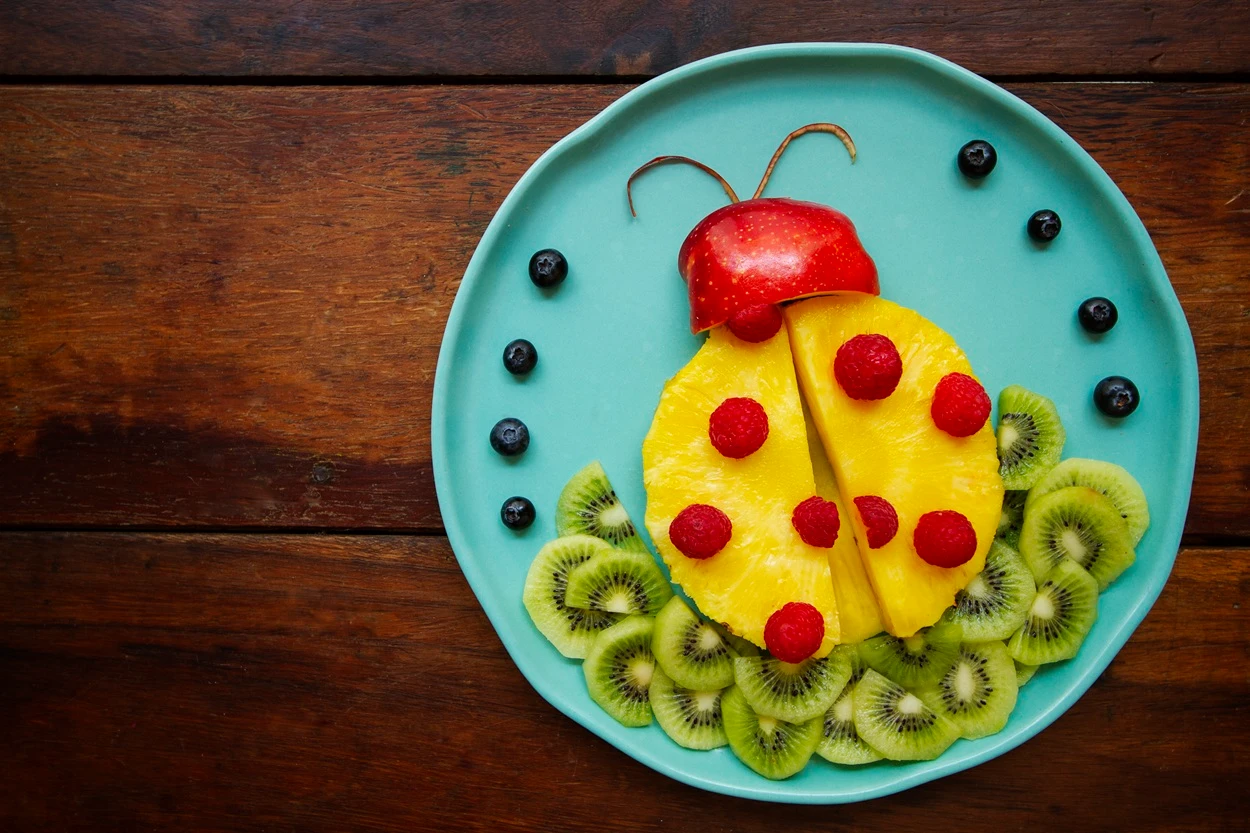
Visual appeal significantly impacts children's willingness to try new foods. Use colorful vegetables to create rainbow patterns in wraps or bento boxes. Cut sandwiches into fun shapes using cookie cutters. Arrange foods in separate compartments to prevent flavors from mixing.
Interactive elements make meals more engaging. Include dips like hummus or yogurt-based sauces. Provide components that children can assemble themselves, giving them control over their meal experience.
Recipe 1: Rainbow Veggie Wraps with Hummus
Spread hummus on whole wheat tortillas. Add colorful bell peppers, carrots, and cucumber strips. Roll tightly and slice into pinwheels for easy eating.
Recipe 2: Mini Meatball Pasta Salad
Combine whole grain pasta with small turkey meatballs. Add cherry tomatoes and a light olive oil dressing. Serve at room temperature for best flavor.
Recipe 3: Cheese and Veggie Quesadilla Triangles
Layer cheese and finely chopped vegetables between whole wheat tortillas. Cook until crispy and cut into triangles. Include a small container of salsa for dipping.
Recipe 4: Turkey and Avocado Roll-Ups
Spread mashed avocado on turkey slices. Add a strip of cheese and roll up. Secure with toothpicks for easy handling.
Recipe 5: Sweet Potato and Black Bean Bowls
Roast cubed sweet potatoes until tender. Combine with black beans, corn, and a lime dressing. This combination provides complete proteins and complex carbohydrates.
Recipe 6: Homemade Lunchables with Whole Grain Crackers
Prepare individual containers with whole grain crackers, cheese cubes, and lean ham slices. Add grapes or cherry tomatoes for freshness.
Recipe 7: Vegetable-Packed Mini Muffins
Bake muffins with shredded zucchini, carrots, and whole wheat flour. These freeze well and provide vegetables in a kid-friendly format.
Recipe 8: Chicken and Veggie Skewers
Thread cooked chicken pieces with colorful vegetables on small skewers. Prepare several at once for the week ahead.
Recipe 9: Quinoa Salad Cups
Mix cooked quinoa with diced vegetables and a light dressing. Serve in individual cups for portion control and easy eating.
Recipe 10: Baked Sweet Potato Rounds with Toppings
Slice sweet potatoes into rounds and bake until tender. Provide various toppings like cheese, beans, or yogurt for customization.
Recipe 11: Gluten-Free Banana Oat Pancakes
Blend oats, bananas, and eggs to create naturally sweet pancakes. These work well cold and provide sustained energy.
Recipe 12: Dairy-Free Coconut Curry Soup
Make a mild curry soup with coconut milk, vegetables, and rice. Serve in a thermos to keep warm until lunchtime.
Recipe 13: Nut-Free Sunflower Seed Butter Sandwiches
Use sunflower seed butter as a protein-rich alternative to nut butters. Pair with sliced apples or banana for natural sweetness.
Recipe 14: Low-Sodium Veggie and Cheese Pinwheels
Spread cream cheese on tortillas, add fresh vegetables, and roll tightly. Slice into colorful pinwheels that appeal to young eyes.
Recipe 15: No Added Sugar Fruit and Yogurt Parfait
Layer plain yogurt with fresh berries and granola. This provides probiotics, protein, and natural sweetness without added sugars.
Toddlers aged 2-4 benefit from simple flavors and soft textures. Focus on single ingredients before combining multiple flavors. Elementary school children aged 5-8 can handle more complex combinations and slightly spicier foods. Pre-teens aged 9-12 often become more adventurous and can appreciate diverse cuisines.
Introduce one new element at a time while keeping other components familiar. This approach reduces overwhelming sensations and increases acceptance likelihood. Remember that taste preferences develop gradually through repeated exposure.
Spring and summer offer fresh berries, tomatoes, and leafy greens that add natural sweetness and vibrant colors. Fall brings squashes and apples that provide natural sweetness and appealing textures. Winter root vegetables like sweet potatoes offer comfort and nutrition during colder months.
When selecting ingredients for nutritious lunch recipes, superior ingredients, highly absorbable formats, palatable flavors make the biggest difference in both nutrition and acceptance. Quality ingredients ensure maximum nutrient density while appealing flavors encourage consistent consumption.
Research supports the "one bite rule" where children try at least one bite of new foods without pressure to finish everything. This approach reduces mealtime stress while gradually expanding food acceptance. Studies show it takes 8-12 exposures to a new food before children develop preference.
Positive reinforcement works better than punishment or bribes. Praise children for trying new foods rather than focusing on the amount consumed. Keep mealtimes pleasant and avoid turning food into a battleground.
Forcing children to eat specific amounts often backfires and creates negative associations with healthy foods. Instead, offer variety and let children self-regulate their intake. Restricting favorite foods completely can increase cravings and lead to overeating when those foods become available.
Inconsistent meal timing disrupts natural hunger cues and makes children less likely to try new foods. Establish regular meal and snack times to support healthy eating patterns.
Dedicate time each weekend to prepare lunch components for the week. Cook grains, chop vegetables, and prepare protein sources in batches. Store components separately to maintain freshness and allow for variety throughout the week.
Invest in quality storage containers that keep foods fresh and separate. Glass containers work well for items that need reheating, while insulated containers keep cold foods safe until lunchtime.
Include children in age-appropriate food preparation tasks. Young children can wash fruits and vegetables, while older kids can help with simple cutting and assembly. This involvement increases their investment in eating the prepared foods.
Take children grocery shopping and let them choose between healthy options. This gives them control while keeping selections within nutritious boundaries. Teaching children about nutrition early builds lifelong healthy habits.
Start with familiar foods and gradually introduce vegetables in hidden forms like smoothies, muffins, or sauces. Research shows it takes 8-12 exposures to a new food before children develop acceptance. Try offering vegetables alongside favorite dips or incorporating them into dishes with familiar flavors.
Focus on preferred textures and flavors while slowly expanding options. Offer choices between two healthy alternatives, use dips and sauces as bridges to new foods, and maintain consistent meal timing to support appetite regulation. Keep portions small and avoid overwhelming presentations.
Children ages 4-8 need approximately 19 grams of protein daily, with lunch contributing 6-8 grams. Good sources include lean meats, eggs, dairy products, beans, and nut butters when allergies aren't a concern. Focus on high-quality proteins that support growth and development.
Most recipes can be prepared 2-3 days in advance with proper storage. Components like cooked grains, chopped vegetables, and protein sources can be batch-prepared weekly and assembled fresh daily. This approach saves time while maintaining food safety and quality.
Focus on nut-free alternatives like sunflower seed butter, ensure all packaged items are clearly labeled, and communicate with school staff about specific restrictions. Many recipes can be easily modified to meet school requirements while maintaining nutritional value.
Creating nutritious lunch ideas for kids doesn't require sacrificing taste or convenience. These 15 recipes demonstrate that healthy lunch ideas can satisfy even the most discerning picky eaters when prepared with understanding of children's developmental preferences and nutritional needs. The key lies in gradual introduction, appealing presentation, and consistent exposure to new flavors and textures. By implementing these evidence-based strategies and recipes, parents can transform lunch time from a daily struggle into an opportunity for nourishment and discovery. Explore our comprehensive wellness resources to continue supporting your family's nutritional journey with expert-backed guidance and practical solutions.


Someone sent you
Error
Powered by ReferRush


