7 Best Chocolate Flavour Powder Mixes Revealed
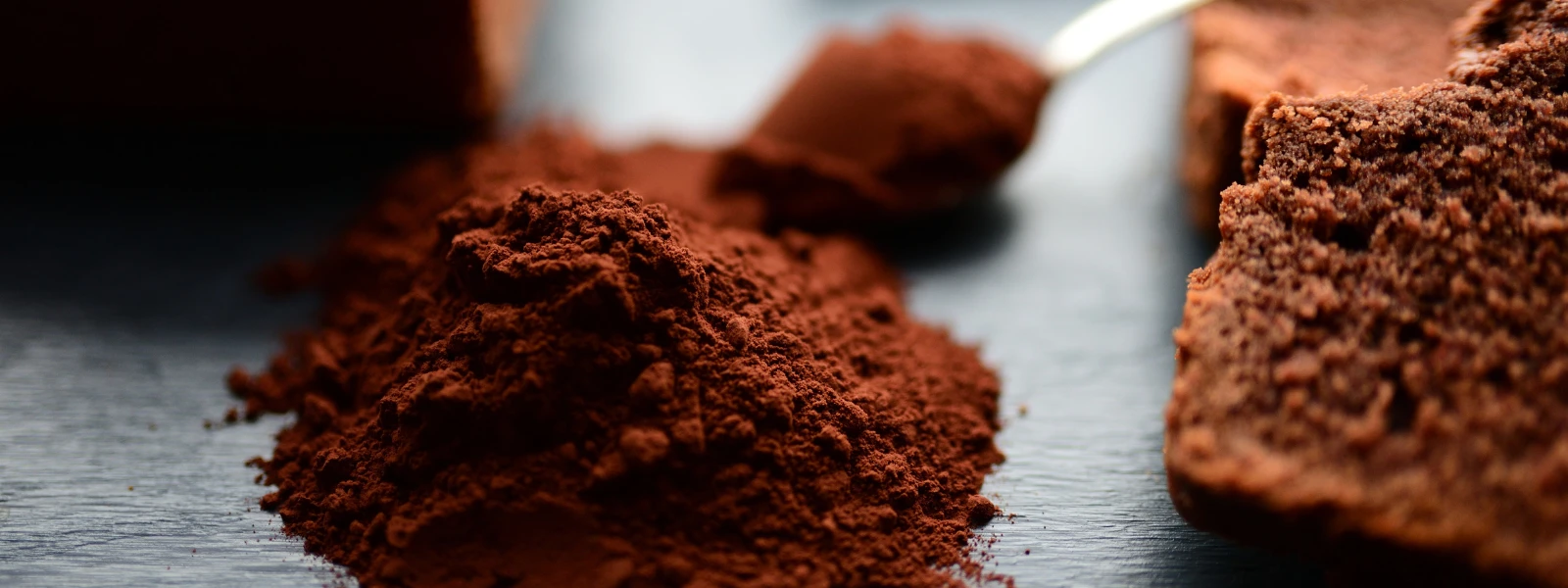


Finding the right chocolate flavour powder for your child can feel overwhelming with countless options lining store shelves. Parents today seek products that not only satisfy their children's taste preferences but also contribute to their nutritional needs. This comprehensive guide examines seven top-performing chocolate powder options, helping you make an informed decision that balances taste, nutrition, and safety for your growing child.
Chocolate flavour powder represents a processed blend of cocoa solids, sweeteners, vitamins, and minerals designed to create nutritious chocolate-flavored beverages when mixed with milk or water. Unlike simple unsweetened cocoa powder, these formulations often include added nutrients specifically tailored for growing children's developmental needs.
The popularity of chocolate milk powder among children stems from its ability to transform plain milk into an appealing treat while potentially increasing overall milk consumption. Research indicates that flavored milk can help children meet their daily calcium and protein requirements more effectively than unflavored alternatives.
Modern chocolate drink mix products fall into several categories. Nutritional chocolate powders focus on vitamin and mineral fortification, making them suitable for daily consumption. Chocolate protein powder variants cater to active children requiring additional protein for muscle development and recovery.
Hot chocolate mix products typically emphasize taste and comfort over nutrition, while chocolate beverage powder formulations strike a balance between palatability and nutritional value. Understanding these distinctions helps parents select products aligned with their children's specific needs.
This healthy chocolate powder contains organic cocoa, natural sweeteners, and essential vitamins including Vitamin D and B12. The formula provides 8 grams of protein per serving while maintaining minimal added sugar content. Parents appreciate its clean ingredient list and absence of artificial preservatives.
Best for: Health-conscious families seeking organic certification and minimal processing.
Formulated specifically as a chocolate protein powder, this option delivers 15 grams of complete protein per serving. The whey-based formula supports muscle development in active children while providing essential amino acids for growth.
Best for: Athletic children and those requiring additional protein supplementation.
This kids chocolate powder focuses on comprehensive nutrition with added iron, calcium, and Vitamin C. The formula addresses common nutritional gaps in children's diets while maintaining appealing taste profiles that encourage regular consumption.
Best for: Children with selective eating habits or identified nutritional deficiencies.
Utilizing natural sweeteners like stevia and monk fruit, this chocolate flavoring option provides sweetness without added sugars. The formulation includes prebiotics to support digestive health alongside traditional chocolate flavor compounds.
Best for: Families managing sugar intake or children with diabetes considerations.
A classic hot chocolate mix that prioritizes comfort and taste. While lower in added nutrients compared to health-focused alternatives, this option excels in creating warming beverages for special occasions and treats.
Best for: Occasional treats and family bonding moments during colder months.
This dairy-free chocolate beverage powder utilizes pea protein and coconut milk powder to create creamy textures without animal products. The formulation includes Vitamin b12 and iron to address common concerns in plant-based diets.
Best for: Children following vegetarian or vegan diets, or those with dairy sensitivities.
Combining traditional chocolate powder with beneficial bacteria strains, this innovative option supports digestive health while delivering familiar chocolate flavors. The formula includes prebiotic fibers to nourish beneficial gut bacteria.
Best for: Children recovering from illness or those requiring digestive support.
Expert Insight
Pediatric nutritionists recommend choosing chocolate powders with at least 3 grams of protein per serving and minimal added sugars. Look for products fortified with nutrients commonly deficient in children's diets, such as Vitamin D, iron, and calcium.
Choosing appropriate chocolate flavour powder requires careful consideration of multiple factors. Age-specific nutritional needs vary significantly, with toddlers requiring different nutrient profiles compared to school-age children or teenagers.
Reading ingredient labels effectively involves identifying primary ingredients, understanding sweetener types, and recognizing potential allergens. Products listing cocoa or unsweetened cocoa powder as primary ingredients typically offer superior nutritional profiles compared to those emphasizing artificial flavoring.
Protein content becomes particularly important for active children, with chocolate protein powder options providing 10-20 grams per serving. However, excessive protein intake can strain developing kidneys, making moderation essential.
Sugar content varies dramatically between products, with some containing over 15 grams per serving while others utilize natural sweeteners or remain unsweetened. The American Heart Association recommends limiting added sugars to 25 grams daily for children over two years old.
Chocolate flavour powder extends far beyond simple milk mixing. Creative parents incorporate these products into breakfast smoothie bowls, combining them with frozen fruits and yogurt for nutritious morning meals.
Baking applications transform ordinary recipes into chocolate-enhanced treats. Adding chocolate powder to pancake batter, muffin recipes, or homemade energy balls increases nutritional density while satisfying chocolate cravings.
Frozen treat preparation becomes simplified with quality chocolate drink mix products. Mixing powder with milk and freezing in popsicle molds creates healthy alternatives to commercial ice cream products.
Quality healthy chocolate powder products offer legitimate nutritional benefits beyond basic caloric content. Cocoa contains flavonoids that support cardiovascular health and cognitive function, though processing methods can affect these beneficial compounds.
Research suggests that moderate cocoa consumption may improve attention span and memory function in children. However, these benefits require consistent consumption of minimally processed cocoa products rather than heavily sweetened alternatives.
Safety considerations include allergen awareness, particularly for products containing dairy, soy, or tree nuts. Parents should consult pediatricians before introducing new nutritional products, especially for children with existing health conditions or dietary restrictions.
Chocolate flavour powder typically contains added sweeteners, vitamins, minerals, and sometimes protein, while unsweetened cocoa powder consists primarily of ground cocoa beans without additional ingredients. The flavored versions are formulated for direct mixing with milk or water, whereas pure cocoa powder requires additional sweetening.
Most chocolate protein powders are safe for children over 4 years old when used appropriately. However, children's protein needs are typically met through regular diet, making supplementation unnecessary unless recommended by healthcare providers. Always consult pediatricians before introducing protein supplements to young children.
Serving sizes vary by product and child's age, but generally range from 1-3 tablespoons per day. Most manufacturers provide age-specific guidelines on packaging. Consider the powder as part of overall daily nutrition rather than a standalone supplement, ensuring it doesn't replace whole foods in your child's diet.
While fortified chocolate powders can enhance milk's nutritional profile, they should complement rather than replace regular milk consumption. Plain milk provides essential nutrients in their natural forms, while flavored versions may encourage increased overall milk intake in reluctant drinkers.
Regular consumption of high-quality chocolate powder is generally safe for most children. Potential concerns include excessive sugar intake from sweetened varieties, caffeine sensitivity from cocoa content, and digestive upset in children with lactose intolerance when mixed with dairy milk. Monitor your child's response and adjust consumption accordingly.
Selecting the right chocolate flavour powder involves balancing taste preferences with nutritional needs and safety considerations. The seven options highlighted offer distinct advantages for different family situations, from organic formulations for health-conscious parents to protein-enhanced varieties for active children. Remember that these products work best as part of a balanced diet rather than primary nutrition sources. Consider your child's specific needs, dietary restrictions, and taste preferences when making your selection, and don't hesitate to consult healthcare providers for personalized guidance on incorporating these products into your child's nutrition routine.


Someone sent you
Error
Powered by ReferRush


