7 Natural Probiotics to Boost Kids' Immunity
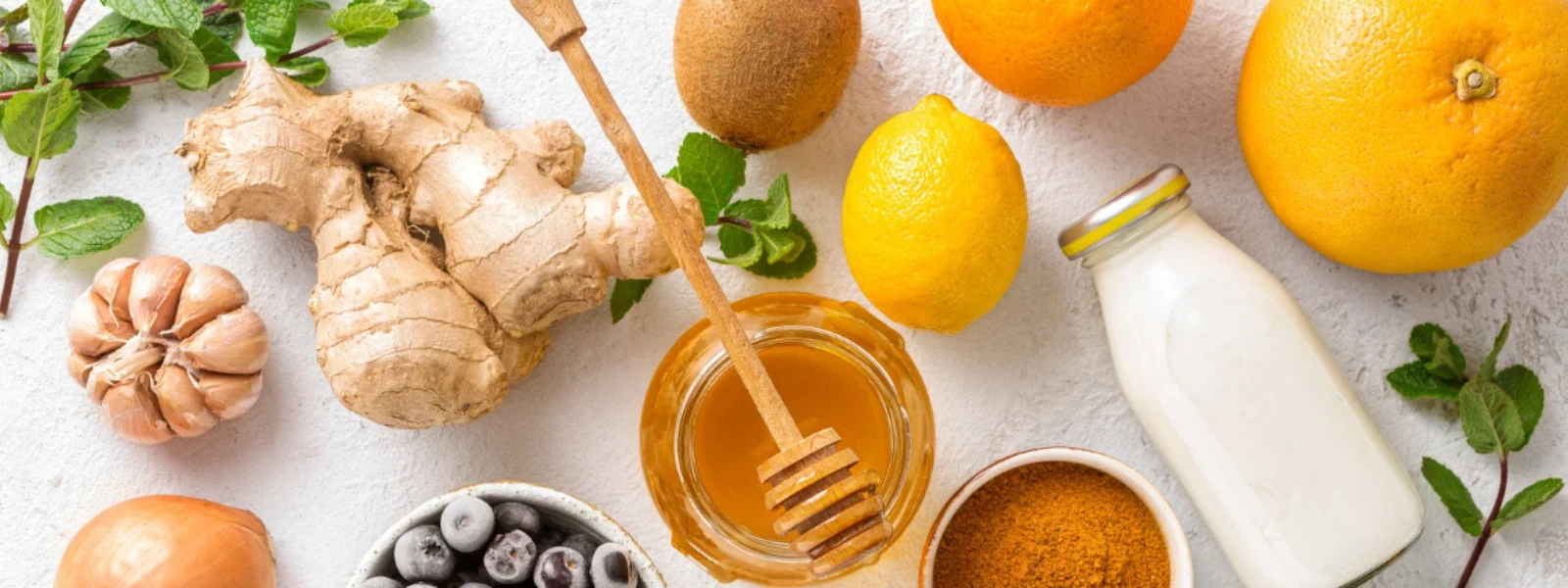


A healthy gut is the foundation of a strong immune system, especially for growing children. Research shows that approximately 70% of our immune cells reside in the gut, making children's gut health crucial for overall wellness. Understanding how natural pro biotics support kids health can help parents make informed decisions about their child's nutrition and immunity.
Natural pro biotics are live beneficial bacteria found in fermented foods that help maintain a balanced gut microbiome. Unlike synthetic supplements, these food-based probiotics come with additional nutrients that support growing bodies. This comprehensive guide explores seven science-backed natural probiotics that can strengthen your child's immune system while supporting healthy digestion and overall wellness.
The relationship between probiotics and immunity in children is well-established in scientific literature. The gut microbiome begins developing at birth and continues evolving throughout childhood. A diverse, balanced gut microbiome helps train the immune system to recognize harmful pathogens while maintaining tolerance to beneficial bacteria.
Probiotics for kids work by colonizing the intestinal tract with beneficial bacteria that crowd out harmful microorganisms. These good bacteria produce short-chain fatty acids, which strengthen the intestinal barrier and support immune cell function. Additionally, probiotics help regulate inflammatory responses, reducing the risk of allergies and autoimmune conditions.
Research indicates that children with diverse gut microbiomes experience fewer respiratory infections, have better vaccine responses, and show reduced incidence of eczema and food allergies. The key is introducing age-appropriate probiotic foods consistently rather than relying on occasional supplementation.
Plain Greek yogurt stands as one of the most accessible and kid-friendly sources of natural probiotics benefits. It contains live cultures including Lactobacillus bulgaricus and Streptococcus thermophilus, which support digestive health and immune function. Greek yogurt also provides high-quality protein and calcium essential for growing bones and muscles.
For optimal benefits, choose yogurt labeled with "live and active cultures" and avoid varieties with added sugars. Start with small portions for younger children and gradually increase serving sizes. Mix with fresh fruits or a drizzle of honey for children over 12 months to enhance palatability.
Kefir offers superior probiotic diversity compared to yogurt, containing 12 or more different bacterial strains. This fermented milk drink provides immune support for children through its rich concentration of beneficial microorganisms. The diverse bacterial profile in kefir helps establish a more robust gut microbiome.
The tangy flavor of kefir can be masked in smoothies with fruits and vegetables. Start with small amounts mixed into familiar foods and gradually increase portions as children develop a taste for fermented foods. Kefir also contains beneficial yeasts that support overall gut health.
Sauerkraut and mild kimchi provide probiotics for digestion in children along with valuable vitamins and fiber. These fermented vegetables contain Lactobacillus plantarum and other beneficial strains that support both digestive and immune health. The fermentation process also increases the bioavailability of nutrients.
Choose naturally fermented varieties found in the refrigerated section rather than shelf-stable options that have been pasteurized. Start with tiny amounts as condiments or mixed into familiar dishes. The fiber content also acts as a prebiotic, feeding beneficial gut bacteria.
Did You Know?
Fermented foods have been consumed for thousands of years across cultures as a natural way to preserve food and support health. The fermentation process not only creates beneficial probiotics but also enhances nutrient absorption and reduces antinutrients that can interfere with digestion.
Miso paste, made from fermented soybeans, contains Aspergillus oryzae and other beneficial microorganisms that support kids wellness probiotics goals. This traditional Japanese ingredient provides probiotics along with essential amino acids and minerals. Miso soup can be a comforting, warm option for children, especially during colder months.
Choose low-sodium varieties and dilute appropriately for children. Add familiar vegetables and noodles to make the soup more appealing. The umami flavor of miso can help expand children's palates while providing immune-supporting benefits.
Tempeh offers a plant-based source of probiotics that supports probiotics for kids health while providing complete protein. This fermented soybean product contains beneficial bacteria and fungi that aid digestion and immune function. Tempeh also provides B vitamins, particularly B12, which can be challenging to obtain from plant sources.
Tempeh has a nutty, mild flavor that can be incorporated into stir-fries, sandwiches, or crumbled into pasta dishes. Its firm texture makes it appealing to children who prefer less mushy foods. Steam or sauté tempeh to make it more digestible for young children.
For older children (8 years and above), low-alcohol kombucha varieties can provide beneficial probiotics and support natural ways to boost kids immunity. This fermented tea contains diverse bacterial and yeast cultures that support gut health. However, careful selection is essential due to alcohol content and acidity.
Choose kombucha with less than 0.5% alcohol content and dilute with water for younger children. Limit portions to small amounts and monitor for any digestive sensitivity. The effervescence often appeals to children who enjoy carbonated beverages.
Truly fermented pickles (not vinegar-pickled) provide Lactobacillus bacteria that support digestive health and immunity. These crunchy, flavorful vegetables appeal to many children while delivering healthy gut bacteria for kids. The fermentation process creates beneficial acids that support gut health.
Look for pickles in the refrigerated section labeled as "naturally fermented" or "lacto-fermented." Avoid shelf-stable pickles that have been pasteurized, as they lack live probiotics. Monitor sodium intake and offer pickles as occasional treats rather than daily staples.
Successfully incorporating probiotics for kids requires a gradual, consistent approach. Start with small portions of one probiotic food and observe your child's tolerance. Most children can safely consume probiotic foods from 6 months of age, beginning with small tastes of plain yogurt.
Combine probiotic foods with prebiotic-rich options like bananas, apples, oats, and vegetables to feed beneficial bacteria. This synbiotic approach enhances the effectiveness of probiotics and supports long-term gut health. Create positive associations by involving children in food preparation and making probiotic foods part of enjoyable family meals.
Consistency matters more than quantity when establishing children's gut health. Aim for including at least one probiotic food daily rather than large amounts sporadically. This approach helps maintain stable beneficial bacterial populations in the gut.
While natural probiotics are generally safe for healthy children, certain precautions ensure optimal benefits. Children with compromised immune systems, serious underlying health conditions, or those taking medications should consult healthcare providers before introducing new probiotic foods.
Start slowly with any new fermented food to allow the digestive system to adjust. Some children may experience temporary bloating or gas as their gut microbiome adapts. These symptoms typically resolve within a few days as the system adjusts.
Choose high-quality, properly fermented foods from reputable sources. Store probiotic foods according to package instructions to maintain bacterial viability. Avoid giving probiotic foods to children with active infections or during antibiotic treatment without medical guidance.
Children can typically start consuming natural probiotics around 6 months of age, beginning with small amounts of plain yogurt. Always consult your pediatrician before introducing new foods, especially for children with allergies or digestive sensitivities.
A serving size of 2-4 ounces of yogurt or kefir daily is appropriate for most children. For fermented vegetables, start with 1-2 teaspoons and gradually increase. The goal is consistency rather than large quantities.
Research suggests that regular consumption of probiotics may reduce the frequency and duration of upper respiratory infections in children. However, probiotics work best as part of an overall healthy lifestyle including proper nutrition, sleep, and hygiene.
Natural probiotic foods often provide additional nutrients like protein, calcium, and vitamins alongside beneficial bacteria. They also tend to be better tolerated and more sustainable for long-term consumption compared to supplements.
Start with mild-flavored options like plain yogurt mixed with fruit. Gradually introduce stronger flavors in small amounts mixed into familiar foods. It may take multiple exposures before children accept new tastes, so patience is key.
Understanding how natural probiotics support kids health empowers parents to make informed nutritional choices that benefit their children's immediate and long-term wellness. The seven natural probiotic sources outlined here offer safe, effective ways to support children's immune systems while promoting healthy digestion and overall development. Remember that building a healthy gut microbiome is a gradual process that requires consistency and patience. By incorporating these natural probiotics into your child's routine and maintaining open communication with healthcare providers, you can help establish a strong foundation for lifelong health and immunity.


Someone sent you
Error
Powered by ReferRush


