7 Superfoods to Boost Kids Antioxidants Now
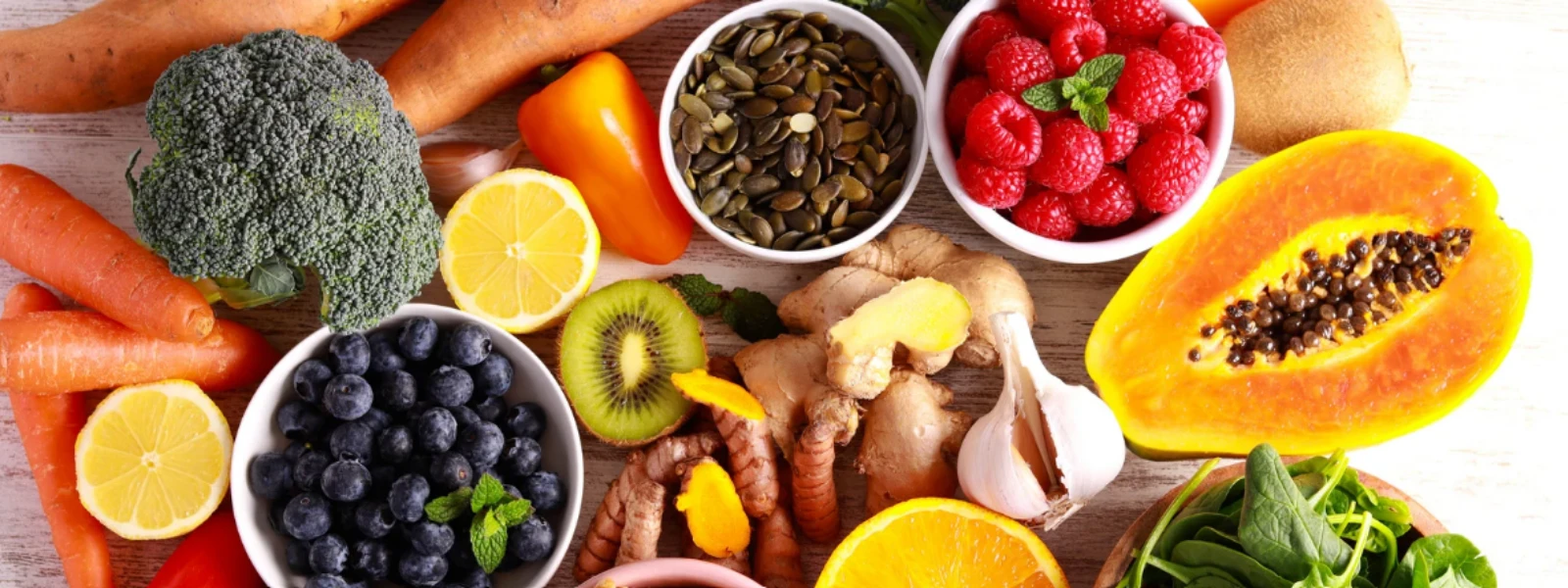


Every parent wants their child to grow up healthy and strong. But with busy schedules and picky eating habits, ensuring kids get enough antioxidants can feel like an uphill battle. These powerful compounds protect growing bodies from cellular damage and support immune function during critical development years.
Antioxidants work like tiny bodyguards in your child's system. They fight off harmful free radicals that can damage cells and weaken immunity. For growing children, this protection becomes even more important as their bodies develop rapidly and face daily environmental stressors.
This guide reveals seven science-backed superfoods that naturally boost kids antioxidants while actually tasting good. You'll discover practical ways to incorporate these immune boosting foods for children into daily meals, plus expert tips for handling picky eaters.
Children's bodies work differently than adults. Their cells divide rapidly during growth spurts, making them more vulnerable to oxidative stress. Free radicals from pollution, processed foods, and normal metabolism can overwhelm young immune systems without adequate antioxidant protection.
Research shows that antioxidant rich foods for kids support brain development, strengthen immunity, and promote healthy growth patterns. These compounds include vitamins A, C, and E, plus plant-based molecules like flavonoids and carotenoids.
Watch for frequent colds, slow wound healing, or persistent fatigue. These may indicate your child's antioxidant reserves need boosting. Skin issues, mood swings, and difficulty concentrating can also signal nutritional gaps.
The good news? Nature provides powerful antioxidant sources that kids actually enjoy eating. The key lies in creative preparation and consistent exposure to new flavors.
These superfoods for kids pack serious antioxidant power while appealing to young taste buds. Each offers unique benefits for growing bodies and developing minds.
Blueberries contain anthocyanins, powerful antioxidants that cross the blood-brain barrier. Studies show these compounds improve memory and focus in children. Just half a cup provides significant antioxidant protection.
Serve fresh blueberries as snacks, blend into smoothies, or mix into yogurt. Frozen varieties retain most nutrients and work perfectly in pancakes or muffins. The natural sweetness makes them instant kid favorites.
One medium sweet potato delivers over 400% of daily Vitamin A needs. This antioxidant supports eye health, immune function, and healthy skin. The natural sweetness appeals to children while providing sustained energy.
Roast sweet potato wedges with a drizzle of olive oil, or mash them as a colorful side dish. Sweet potato pancakes and fries offer fun alternatives to regular potatoes.
Spinach provides folate, Vitamin K, and lutein for eye health. The mild flavor disappears in smoothies, while the nutrients remain intact. Fresh spinach offers more antioxidants than cooked versions.
Blend spinach into fruit smoothies for invisible nutrition. Add to pasta sauces, scrambled eggs, or homemade pizza. The key is starting with small amounts and gradually increasing.
Pomegranate seeds contain punicalagins, potent antioxidants that support heart health and immunity. The jewel-like appearance and sweet-tart flavor make them appealing to children.
Sprinkle seeds over yogurt, oatmeal, or salads. Pure pomegranate juice works too, but whole seeds provide fiber benefits. Freeze seeds for a refreshing summer treat.
Did You Know?
Pomegranates contain three times more antioxidants than green tea or red wine. Just one cup of seeds provides 30% of daily Vitamin C needs while supporting immune function throughout cold and flu season.
Dark chocolate with 70% cacao contains flavonoids that support brain function and heart health. Small amounts provide antioxidant benefits without excessive sugar.
Choose quality dark chocolate and limit portions to one small square daily. Mix cocoa powder into smoothies or homemade energy balls for antioxidant-rich treats.
Broccoli contains sulforaphane, a compound that activates the body's natural detox systems. This cruciferous vegetable also provides Vitamin C, folate, and fiber for digestive health.
Steam lightly to preserve nutrients, or serve raw with hummus. Broccoli trees with cheese sauce make vegetables more appealing. Roasting brings out natural sweetness.
Greek yogurt provides protein for growth while berries add antioxidant power. This combination supports gut health and immune function simultaneously.
Create colorful parfaits with layers of yogurt, berries, and granola. Frozen yogurt bark with mixed berries makes a healthy dessert alternative.
Presentation matters as much as nutrition when feeding children. Colorful foods naturally attract young eyes, while familiar flavors encourage trying new options.
Start mornings with antioxidant-rich smoothie bowls topped with colorful fruits. Hide vegetables in pancakes or muffins for invisible nutrition. Overnight oats with berries provide make-ahead convenience.
Rainbow toast using different colored fruits creates visual appeal. Chia puddings with fruit layers offer protein and antioxidants together.
Bento boxes with compartments make healthy snacks for kids more appealing. Include various colors and textures to maintain interest. Vegetable soups with hidden greens provide comfort food nutrition.
Pizza topped with colorful vegetables introduces new flavors gradually. Pasta salads with cherry tomatoes and bell peppers add antioxidants to familiar favorites.
Different fruits provide unique antioxidant profiles. Berries lead the pack with anthocyanins, while citrus fruits offer Vitamin C. Stone fruits like peaches provide beta-carotene.
Seasonal eating ensures peak nutrition and flavor. Summer berries, fall apples, and winter citrus fruits provide year-round antioxidant variety. Frozen options work when fresh isn't available.
Store berries unwashed in the refrigerator to prevent mold. Wash just before eating to preserve antioxidants. Freeze extra fruits for smoothies when they're at peak ripeness.
Cut fruits release antioxidants more readily but spoil faster. Prepare small portions to minimize waste while maximizing nutrition.
The rainbow approach works best for vegetables. Red tomatoes and bell peppers provide lycopene. Orange carrots and squash offer beta-carotene. Green leafy vegetables supply lutein and folate.
Purple vegetables like eggplant and cabbage contain anthocyanins similar to berries. This variety ensures comprehensive antioxidant coverage while keeping meals interesting.
Light steaming preserves more antioxidants than boiling. Raw vegetables provide maximum nutrition but may be less appealing to children. Roasting caramelizes natural sugars while maintaining most nutrients.
Pairing vegetables with healthy fats like olive oil improves absorption of fat-soluble vitamins. This simple trick maximizes nutritional benefits from every meal.
Most children get adequate antioxidants from a varied diet rich in fruits and vegetables. Supplements should only be considered under medical guidance for specific deficiencies. Whole foods provide better absorption and additional nutrients that supplements cannot replicate.
Children with adequate antioxidant intake typically have strong immune systems, good energy levels, and healthy skin. They recover quickly from minor illnesses and maintain steady growth patterns. Regular pediatric checkups can identify any nutritional concerns.
It's nearly impossible to get too many antioxidants from whole foods. The body regulates absorption naturally, and excess amounts are safely eliminated. However, high-dose supplements can cause problems, which is why food sources remain the safest option.
Start with small amounts mixed into familiar foods. Repeated exposure without pressure helps children accept new flavors. Make eating fun with colorful presentations and involve kids in food preparation to increase interest and acceptance.
Some studies suggest organic produce may contain slightly higher antioxidant levels, but the difference is minimal. The most important factor is eating a variety of fruits and vegetables regularly, regardless of whether they're organic or conventional. Focus on quantity and variety over organic status.
Building strong immunity and supporting healthy growth starts with providing adequate kids antioxidants through delicious, nutrient-dense foods. These seven superfoods offer proven benefits while appealing to young taste buds. Remember that consistency matters more than perfection – small daily additions of antioxidant-rich foods create lasting health benefits. By making nutrition fun and involving children in food choices, you're setting the foundation for lifelong healthy eating habits that will serve them well into adulthood.


Someone sent you
Error
Powered by ReferRush


