Boost Kids' Digestion: A Complete Fiber Guide


When your child struggles with digestive issues, it can be both concerning and frustrating. The importance of fiber for kid digestion goes far beyond just preventing constipation – it's a cornerstone of your child's overall health and development. This comprehensive guide will help you understand how fiber works in your child's digestive system, identify the best sources, and implement practical strategies to ensure your little one gets the nutrition they need for optimal digestive health.
Children's digestive systems are still developing, making proper nutrition crucial during these formative years. Fiber plays a vital role in this development by supporting healthy gut bacteria growth and promoting regular bowel movements. Unlike adults, kids have smaller stomachs and faster metabolisms, which means they need nutrient-dense foods that work efficiently.
The developing gut microbiome in children relies heavily on fiber to flourish. When kids consume adequate fiber, beneficial bacteria in their intestines multiply and create a protective barrier against harmful pathogens. This process not only supports immediate digestive comfort but also builds a foundation for lifelong immune system strength.
Research shows that children who consume adequate fiber from an early age develop better eating habits and have lower risks of digestive issues later in life. The fiber acts as a natural cleanser, helping food move through the digestive tract at an optimal pace while allowing maximum nutrient absorption.
The most noticeable benefit parents observe is constipation relief for kids. Fiber adds bulk to stool and helps it retain water, making bowel movements easier and more regular. This is particularly important for children who may hold in bowel movements due to busy schedules or unfamiliar bathrooms.
Beyond constipation relief, fiber supports better nutrient absorption. When the digestive system functions smoothly, vitamins and minerals from food are absorbed more effectively. This means your child gets more nutritional value from every meal, supporting their growth and development.
Fiber also helps stabilize blood sugar levels, preventing the energy spikes and crashes that can affect children's mood and concentration. This steady energy release supports better focus during school hours and more consistent behavior throughout the day.
Establishing healthy eating patterns early in life sets the stage for lifelong wellness. Children who regularly consume fiber-rich foods develop a taste for nutritious options and are more likely to maintain these preferences as adults.
Weight management support is another crucial benefit. Fiber-rich foods help children feel satisfied with appropriate portion sizes, reducing the likelihood of overeating. This natural appetite regulation supports healthy growth patterns and reduces the risk of childhood obesity.
Did You Know?
Children who eat adequate fiber are 40% less likely to experience chronic constipation and show improved concentration levels in school settings, according to pediatric nutrition research.
Understanding pediatric fiber intake requirements helps parents set realistic goals. The general rule is simple: a child's age plus 5 grams equals their daily fiber target. For example, a 5-year-old needs about 10 grams of fiber daily, while a 10-year-old requires approximately 15 grams.
Toddlers aged 1-3 years need about 14 grams of fiber daily, while children aged 4-8 require 16-20 grams. Older children and teens need 22-28 grams daily, depending on their age and activity level.
Signs your child may need more fiber include irregular bowel movements, complaints of stomach discomfort, or difficulty passing stool. However, it's important to increase fiber gradually to avoid digestive upset.
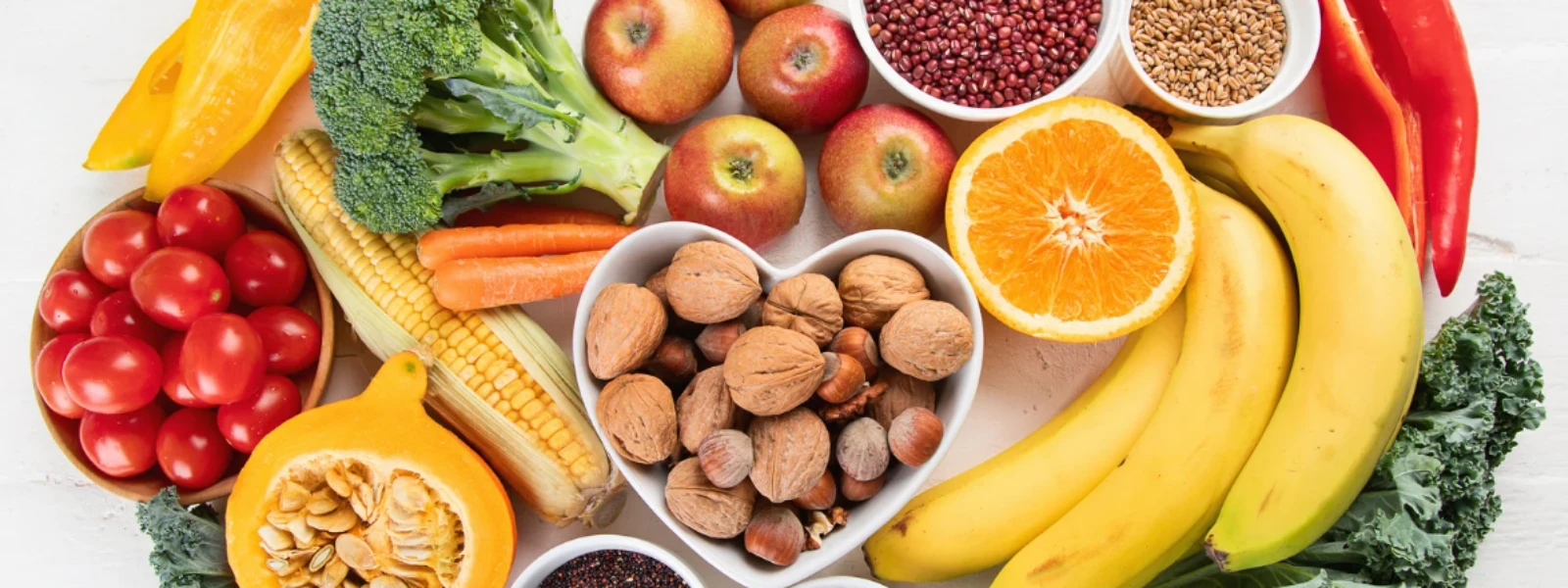
The key to successful fiber intake is choosing foods that appeal to children's tastes while providing nutritional benefits. Fruits like apples with skin, pears, and berries are naturally sweet and fiber-rich. These can be served fresh, in smoothies, or as fun fruit kabobs.
Vegetables such as broccoli, carrots, and sweet potatoes can be prepared in kid-friendly ways. Try roasting vegetables with a light coating of olive oil and herbs, or serving them with healthy dips like hummus.
Whole grains and cereals offer excellent fiber content. Look for cereals with at least 3 grams of fiber per serving, and gradually introduce whole grain breads and pastas. Many children enjoy the nuttier flavor of whole grains when introduced properly.
Toddlers require special attention when introducing fiber-rich foods. Their smaller digestive systems need foods that are easy to chew and digest. Mashed beans, soft-cooked vegetables, and well-cooked whole grains work well for this age group.
Safety considerations include avoiding whole nuts and large pieces of raw vegetables that could pose choking hazards. Instead, offer nut butters, finely chopped vegetables, and age-appropriate textures.
When addressing constipation relief for kids, fiber works best when combined with adequate hydration. Encourage your child to drink water throughout the day, as fiber needs liquid to work effectively in the digestive system.
Timing matters when increasing fiber intake. Start with small amounts and gradually increase over 1-2 weeks. This allows the digestive system to adjust without causing gas or bloating.
Healthy digestion for children requires a balance of soluble and insoluble fiber. Soluble fiber, found in oats and apples, helps slow digestion and stabilize blood sugar. Insoluble fiber, found in whole grains and vegetables, adds bulk and promotes regular bowel movements.
Consider timing fiber intake throughout the day rather than concentrating it in one meal. This approach supports steady digestive function and prevents overwhelming the system.
Creative meal preparation can make fiber-rich foods more appealing. Try making smoothies with berries and spinach, baking muffins with whole grain flour and grated vegetables, or creating colorful salads with a variety of textures.
Getting kids involved in food preparation increases their willingness to try new foods. Let them help wash vegetables, mix ingredients, or choose between healthy options at the grocery store.
For children with texture sensitivities, start with familiar foods and gradually introduce new textures. Blend vegetables into sauces, add finely chopped fruits to familiar dishes, or offer new foods alongside preferred items.
Making fiber-rich swaps for favorite foods can be effective. Replace white rice with brown rice, use whole grain pasta, or choose whole grain crackers instead of refined options.
Yes, excessive fiber can cause digestive discomfort, gas, and bloating. Stick to age-appropriate recommendations and increase intake gradually to allow the digestive system to adjust properly.
Regular, comfortable bowel movements, stable energy levels, and absence of digestive complaints typically indicate adequate fiber intake. Stools should be well-formed but not hard.
Reduce the amount temporarily and increase more slowly. Ensure adequate water intake and consider spreading fiber throughout the day rather than concentrating it in one meal.
Whole foods are generally preferred over supplements for children. Consult with your pediatrician before considering any supplements, as whole foods provide additional nutrients beyond just fiber.
Adequate fiber helps stabilize blood sugar, leading to more consistent energy levels throughout the day. Children often experience fewer energy crashes and better concentration with proper fiber intake.
Understanding the importance of fiber for kid digestion empowers parents to make informed nutritional choices that support their children's immediate comfort and long-term health. By incorporating a variety of fiber-rich foods, following age-appropriate guidelines, and making gradual changes, you can help your child develop healthy digestive habits that will benefit them throughout their lives. Remember that every child is unique, and what works for one may need adjustment for another. Focus on creating positive associations with healthy foods while ensuring your child receives the nutrition they need for optimal growth and development.


Someone sent you
Error
Powered by ReferRush


