How to Make Nutritious Snacks Kids Will Love?
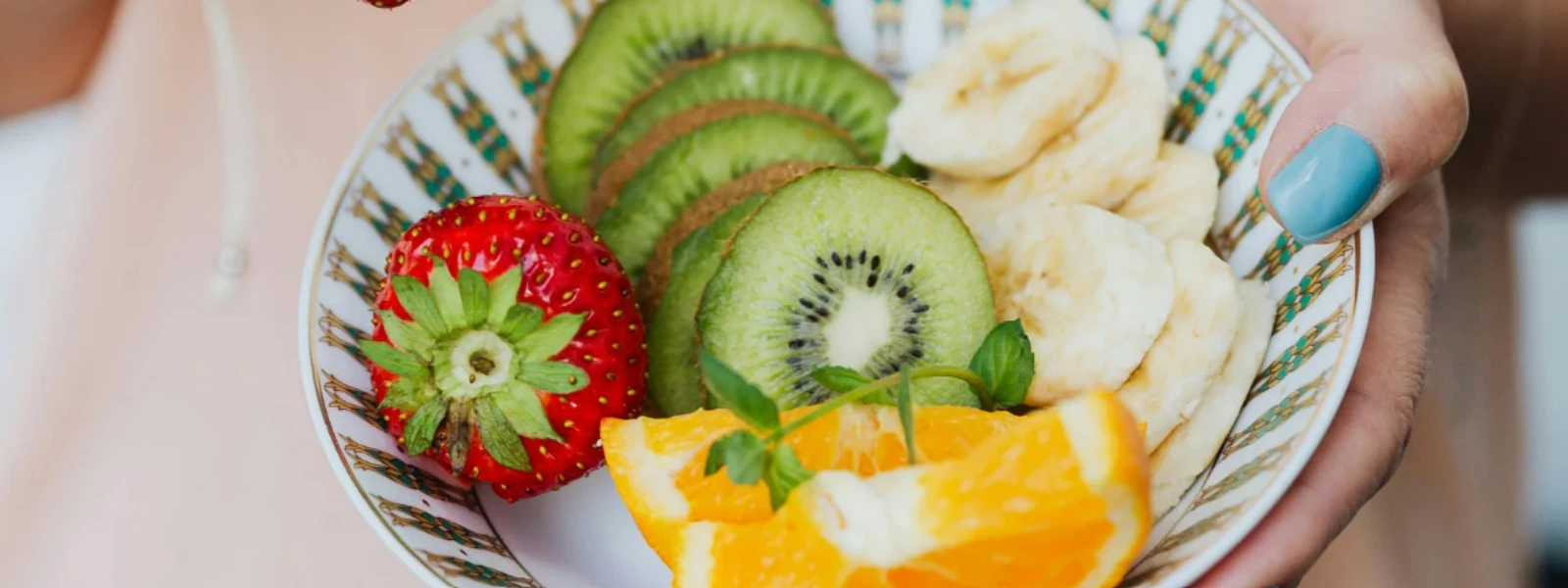


Getting kids to eat healthy snacks can feel like an uphill battle. Between picky eating phases, sugar cravings, and the convenience of packaged options, many parents struggle to find nutritious alternatives that children actually enjoy. The good news? Creating kids healthy snacks that taste great and provide essential nutrients is easier than you think.
This guide will show you how to make healthy snacks for children using simple ingredients and proven strategies. You'll discover easy recipes, school-friendly options, and practical tips to transform snack time into an opportunity for better nutrition. By the end, you'll have a toolkit of go-to snacks that support your child's growth while satisfying their taste buds.
Children's bodies are constantly growing and developing, making proper nutrition crucial during their formative years. Nutritious snacks serve as more than just hunger stoppers – they provide essential building blocks for healthy development.
Research shows that children who eat balanced snacks maintain steadier energy levels throughout the day. This translates to better concentration in school, improved mood stability, and enhanced physical performance during play and sports activities.
Many parents unknowingly fall into common snacking traps. Pre-packaged snacks labeled as "healthy" often contain hidden sugars, artificial additives, and minimal nutritional value. These processed options can lead to energy spikes followed by crashes, affecting your child's behavior and appetite for main meals.
Building healthy snacking habits early creates a foundation for lifelong wellness. Children who learn to enjoy whole foods and balanced nutrition are more likely to make better food choices as they grow older.
Creating truly nutritious snacks requires understanding the right balance of macronutrients. The most effective healthy snacks for children combine protein, fiber, and healthy fats. This combination provides sustained energy, promotes satiety, and supports stable blood sugar levels.
Protein helps build and repair tissues while keeping children feeling full longer. Good sources include Greek yogurt, cheese, nuts, seeds, and lean meats. Fiber aids digestion and helps regulate blood sugar, found in fruits, vegetables, and whole grains. Healthy fats support brain development and nutrient absorption, available in avocados, nuts, and seeds.
Portion sizes should match your child's age and activity level. Toddler snacks typically require smaller portions – about 1-2 tablespoons of each component. School-age children can handle larger servings, roughly 1/4 to 1/2 cup portions depending on the food type.
Timing matters too. Offer snacks 2-3 hours between meals to avoid interfering with appetite for main meals. This schedule helps maintain steady energy levels without disrupting natural hunger cues.
Did You Know?
Children's taste preferences are formed through repeated exposure. It can take 8-12 tries before a child accepts a new food, so don't give up after the first few attempts!
Busy schedules don't have to derail healthy eating. These easy kids snacks prove that nutritious options can be both quick and delicious.
Apple slices paired with almond butter create a perfect balance of fiber, protein, and healthy fats. The natural sweetness of apples satisfies sugar cravings while the protein keeps energy stable.
Cucumber sandwiches made with whole grain bread and cream cheese offer hydration, fiber, and calcium. Cut them into fun shapes using cookie cutters to increase appeal.
Homemade trail mix combining nuts, seeds, and dried fruit provides portable nutrition. Mix almonds, pumpkin seeds, and unsweetened dried cranberries for a balanced blend.
Greek yogurt parfaits layered with fresh berries and a sprinkle of granola deliver probiotics, antioxidants, and fiber in an appealing presentation.
Vegetable sticks with homemade snacks like hummus encourage vegetable consumption while providing plant-based protein. Carrots, bell peppers, and snap peas work particularly well.
Whole grain crackers topped with cheese slices offer complex carbohydrates and calcium. Choose crackers with minimal ingredients and no added sugars.
Frozen banana "ice cream" made by blending frozen banana chunks creates a naturally sweet treat rich in potassium and fiber.
Energy balls made from dates, nuts, and a touch of cocoa powder satisfy sweet cravings while providing natural sugars, healthy fats, and minerals.
Navigating school snack policies while maintaining nutrition standards requires strategic planning. Most schools have strict allergy policies, particularly regarding nuts, making nut-free options essential for school snacks.
Understanding your school's specific requirements helps avoid disappointment. Many institutions prohibit nuts, seeds, and certain other allergens. Always check current policies before packing snacks.
Temperature-stable options work best for school environments. Foods that don't require refrigeration maintain quality and safety throughout the school day.
Veggie muffins made with grated carrots, zucchini, or sweet potato hide vegetables in familiar formats. Use whole wheat flour and reduce sugar content for better nutrition.
Whole grain crackers paired with sunflower seed butter provide protein without nut allergens. Look for crackers made with simple, recognizable ingredients.
Baked sweet potato chips offer natural sweetness and vitamins. Slice sweet potatoes thinly, toss with a small amount of olive oil, and bake until crispy.
Mini rice cakes topped with mashed avocado deliver healthy fats and fiber. Add a sprinkle of sea salt or everything seasoning for extra flavor.
Getting children to eat vegetables often requires creativity and persistence. Vegetable snacks can be just as appealing as traditional options when prepared thoughtfully.
The key lies in combining vegetables with familiar flavors and textures. Sweet vegetables like carrots, sweet potatoes, and beets naturally appeal to children's taste preferences.
Presentation plays a crucial role in acceptance. Colorful arrangements, fun shapes, and interactive elements make vegetables more appealing to young eaters.
Carrot and apple muffins blend sweet and savory flavors while providing beta-carotene and fiber. The natural sweetness of both ingredients reduces the need for added sugars.
Beet and berry smoothie pops combine earthy beets with sweet berries, creating vibrant colors that attract children's attention. The frozen format makes them feel like treats.
Zucchini chocolate chip cookies hide vegetables in a beloved format. Grated zucchini adds moisture and nutrients without affecting taste significantly.
Sweet potato and cinnamon bites offer natural sweetness and warming spices. Roast cubed sweet potatoes with a sprinkle of cinnamon for a simple, nutritious snack.
While homemade options offer complete control over ingredients, quality store-bought snacks can provide convenient nutrition when chosen carefully. Understanding how to evaluate organic kids snacks helps make informed decisions.
Reading ingredient lists becomes crucial when selecting packaged options. Look for products with short ingredient lists containing recognizable whole foods. Avoid items with artificial colors, flavors, or excessive added sugars.
Superior ingredients, highly absorbable formats, and palatable flavors should guide your selection process, whether choosing store-bought options or creating homemade alternatives.
Budget considerations often influence snack choices. Many nutritious options like seasonal fruits, vegetables, and basic dairy products offer excellent value compared to processed alternatives.
Whole grain crackers with minimal ingredients provide convenient complex carbohydrates. Look for options made with whole wheat, oats, or other whole grains.
Unsweetened dried fruits offer concentrated nutrition and natural sweetness. Choose varieties without added sugars or sulfites when possible.
Plain Greek yogurt provides protein and probiotics. Add fresh fruit or a drizzle of honey for natural sweetness rather than buying pre-sweetened varieties.
Natural nut and seed butters offer healthy fats and protein. Select options with no added oils, sugars, or artificial ingredients.
The healthiest snacks combine protein, fiber, and healthy fats. Examples include apple slices with almond butter, Greek yogurt with berries, vegetable sticks with hummus, whole grain crackers with cheese, and homemade trail mix with nuts and dried fruit.
Most children need 1-2 healthy snacks daily, depending on their age, activity level, and meal schedule. Space snacks 2-3 hours between meals to maintain appetite for main meals while preventing excessive hunger.
Try hiding vegetables in familiar foods like muffins or smoothies, use fun shapes and colorful presentations, involve children in preparation, and pair vegetables with favorite dips or seasonings. Remember that repeated exposure helps build acceptance over time.
Homemade snacks allow complete control over ingredients and can be more cost-effective, but quality store-bought options can be convenient and nutritious when chosen carefully. Focus on products with simple, whole food ingredients regardless of whether they're homemade or purchased.
Protein-rich snacks like nuts, seeds, Greek yogurt, cheese, and whole grains provide sustained energy without sugar crashes. These options help maintain stable blood sugar levels, supporting better concentration and mood throughout the school day.
Creating nutritious snacks that kids actually enjoy doesn't require complicated recipes or expensive ingredients. By focusing on the right balance of protein, fiber, and healthy fats, you can provide sustained energy and essential nutrients while satisfying young taste buds. Remember that building healthy eating habits takes time and patience – repeated exposure to new foods helps children develop broader palates and better nutrition habits. Whether you choose quick homemade options or carefully selected store-bought alternatives, prioritizing whole foods and minimal processing will support your child's growth and development. Start with a few simple recipes and gradually expand your repertoire as your family discovers new favorites.


Someone sent you
Error
Powered by ReferRush


