Kids' Digestion 101: Expert Answers to Tummy Woes


Watching your child struggle with tummy troubles can be heart-wrenching for any parent. From unexplained stomach aches to irregular bowel movements, digestive issues affect millions of children worldwide. Understanding what helps fix poor digestion in children isn't just about immediate relief—it's about building a foundation for lifelong wellness.
This comprehensive guide explores evidence-based solutions for common childhood digestive issues. You'll discover practical dietary modifications, natural remedies, and lifestyle changes that support healthy digestion in growing bodies. Whether you're dealing with occasional constipation or ongoing digestive concerns, these expert-backed strategies will help you navigate your child's digestive health with confidence.
Children's digestive systems are still developing, making them more sensitive to dietary changes and stress. Their stomach acid production is lower than adults, which can affect protein digestion and nutrient absorption. The gut microbiome—the collection of beneficial bacteria in the intestines—continues evolving throughout childhood, influencing everything from immunity to mood regulation.
Young digestive systems also process food more slowly. While adults typically digest a meal in 24-72 hours, children may take longer, especially when consuming new or complex foods. This slower transit time can contribute to occasional constipation or discomfort.
Childhood digestive issues manifest differently than adult symptoms. Common signs include frequent stomach complaints, changes in appetite, irregular bowel movements, and unexplained irritability after meals. Constipation affects up to 30% of children globally, while functional abdominal pain impacts nearly 25% of school-age kids.
Parents should watch for persistent symptoms lasting more than a few days. Red flags include severe abdominal pain, blood in stool, persistent vomiting, or significant changes in eating patterns. These symptoms warrant immediate medical attention.
Most mild digestive issues respond well to dietary and lifestyle modifications. However, chronic symptoms lasting more than two weeks require professional evaluation. Pediatricians can rule out underlying conditions like food allergies, inflammatory bowel disease, or anatomical abnormalities.
Home remedies work best for occasional constipation, mild stomach upset, or gas-related discomfort. Always consult healthcare providers before introducing supplements or making significant dietary changes, especially for children under two years old.
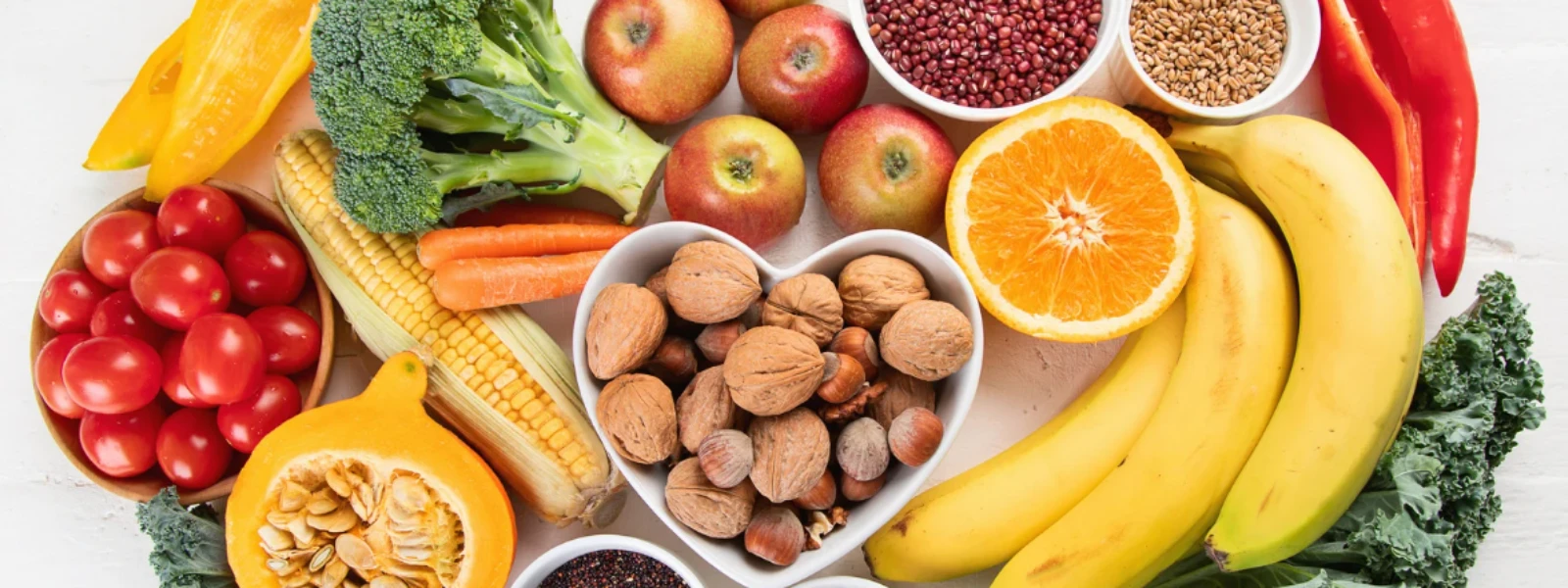
The most effective approach to improving child's digestion starts with gentle dietary adjustments. Increasing fiber intake gradually helps prevent digestive shock while promoting regular bowel movements. Focus on whole grains, fruits, and vegetables that children enjoy eating.
Reducing processed foods significantly impacts digestive health for kids. These foods often contain additives and preservatives that can irritate sensitive digestive systems. Instead, emphasize fresh, minimally processed options that provide essential nutrients without unnecessary chemicals.
Meal timing plays a crucial role in digestive wellness. Regular meal schedules help establish healthy digestive rhythms. Avoid large meals close to bedtime, as lying down too soon after eating can cause discomfort and disrupt sleep.
Physical activity stimulates digestive function naturally. Even gentle movement like walking or stretching after meals can help food move through the digestive tract more efficiently. Encourage active play rather than sedentary activities immediately after eating.
Stress management significantly impacts childhood digestive issues. Children experiencing anxiety or emotional stress often develop stomach problems. Creating calm, pleasant mealtimes without distractions like television or arguments helps promote better digestion.
Adequate sleep supports digestive health through hormone regulation. Children who don't get enough rest may experience increased cortisol levels, which can disrupt normal digestive processes.
Portion control prevents digestive overload in developing systems. Toddlers need smaller, more frequent meals, while school-age children can handle three main meals with healthy snacks. Use child-sized plates and utensils to help gauge appropriate portions.
Spacing meals 3-4 hours apart allows complete digestion before introducing new food. This timing prevents digestive backup and reduces discomfort. Encourage children to eat slowly and chew thoroughly to aid the digestive process.
Making fiber appealing requires creativity and patience. Berries, apples with skin, and sweet potatoes provide excellent fiber while satisfying children's taste preferences. Whole grain cereals with fun shapes or colors can make breakfast more exciting while supporting digestive health.
Beans and legumes offer substantial fiber and protein, but preparation matters. Hummus with colorful vegetables, bean-based pasta, or lentil soups can introduce these foods in kid-friendly formats. Start with small amounts and gradually increase to prevent gas or bloating.
Did You Know?
Children need different amounts of fiber based on their age. The general rule is age plus 5 grams daily. So a 5-year-old needs about 10 grams of fiber per day, while a 10-year-old needs approximately 15 grams.
Proper hydration is essential for healthy digestion in children. Water helps soften stool and supports nutrient absorption. Toddlers need about 4 cups of fluids daily, while school-age children require 5-8 cups depending on activity level and climate.
Timing matters as much as quantity. Encourage water consumption between meals rather than during eating to avoid diluting digestive enzymes. Offer water first thing in the morning to help stimulate bowel movements naturally.
Certain foods can worsen digestive problems in sensitive children. High-fat foods slow digestion and may cause discomfort. Excessive dairy products can contribute to constipation in some children, particularly those with lactose sensitivity.
Sugary drinks and artificial sweeteners often trigger digestive upset. These substances can alter gut bacteria balance and cause loose stools or cramping. Stick to water, diluted fruit juices, or herbal teas during digestive recovery periods.
Gentle natural approaches often provide effective constipation relief for children without side effects. Warm baths can help relax abdominal muscles and stimulate bowel movements. Adding Epsom salts to bathwater may provide additional relief through magnesium absorption.
Abdominal massage using circular motions can stimulate digestive function. Start at the right lower abdomen and move clockwise, following the natural path of the large intestine. This technique works particularly well for younger children who enjoy the gentle touch.
Prune juice remains one of the most effective natural remedies for child constipation. Start with small amounts—2-4 ounces for toddlers—and adjust based on response. Pears, peaches, and other high-fiber fruits can provide similar benefits.
Physical activity promotes healthy digestion through multiple mechanisms. Movement stimulates intestinal contractions, helping food move through the digestive tract more efficiently. Even simple activities like dancing, jumping, or playing catch can benefit tummy troubles in kids.
Yoga poses specifically target digestive function. Child's pose, gentle twists, and knee-to-chest positions can relieve gas and promote bowel movements. These activities also provide stress relief, addressing both physical and emotional aspects of digestive health.
The gut-brain connection is particularly strong in children. Emotional stress often manifests as physical digestive symptoms. Teaching simple breathing exercises can help children manage both anxiety and stomach discomfort.
Creating predictable routines reduces stress-related digestive issues. Regular meal times, consistent bedtime schedules, and calm environments during eating help establish healthy digestive patterns.
Probiotics for kids digestion can come from both food sources and supplements. For children over one year, yogurt with live cultures provides beneficial bacteria in a familiar format. Look for products specifically labeled with active cultures and minimal added sugars.
Probiotic supplements designed for children typically contain strains specifically researched for pediatric use. However, always consult healthcare providers before starting any supplement regimen. Different strains serve different purposes, and professional guidance ensures appropriate selection.
Fermented foods offer natural pro biotics in kid-friendly formats. Kefir smoothies with fruits, mild sauerkraut on sandwiches, or probiotic-rich cheese can introduce beneficial bacteria gradually. Start with small amounts to allow digestive systems to adjust.
Homemade fermented foods provide control over ingredients and flavors. Simple fermented vegetables or water kefir can be customized to children's taste preferences while supporting children's gut health naturally.
Probiotic safety in children requires careful consideration of age, health status, and specific strains. Generally, food-based probiotics are safer than supplements for young children. Introduce new probiotic foods one at a time to monitor for any adverse reactions.
Dosage varies significantly based on the specific probiotic strain and delivery method. Healthcare providers can recommend appropriate amounts based on individual needs and health goals.
Sustainable digestive health requires consistent habits rather than quick fixes. Involve children in meal planning and preparation to increase their investment in healthy choices. When kids help choose and prepare foods, they're more likely to eat them willingly.
Make mealtimes pleasant social experiences. Avoid discussing digestive problems during meals, as stress can worsen symptoms. Instead, focus on positive conversations and allow children to eat at their own pace.
Body awareness skills help children recognize hunger, fullness, and digestive comfort. Encourage kids to describe how different foods make them feel. This awareness helps them make better food choices independently as they grow.
Create a simple symptom tracking system for older children. Understanding patterns between foods, activities, and digestive symptoms empowers kids to participate actively in their health management.
Whole-family commitment to digestive wellness creates supportive environments for children. When everyone eats similar healthy foods and follows consistent routines, children don't feel singled out or deprived.
Model healthy behaviors consistently. Children learn more from observation than instruction. Demonstrate mindful eating, regular meal times, and positive attitudes toward healthy foods.
Common signs include frequent stomach complaints, irregular bowel movements, excessive gas, changes in appetite, and irritability after meals. Children may also experience constipation, loose stools, or complaints of stomach pain without obvious cause.
Most children show improvement within 1-2 weeks of consistent dietary and lifestyle changes. However, establishing long-term digestive wellness may take 4-6 weeks as the gut microbiome adjusts and new habits become routine.
Probiotics are generally safe for healthy children over one year old. However, children with compromised immune systems, serious underlying health conditions, or those taking certain medications should only use probiotics under medical supervision.
Avoid highly processed foods, excessive sugary drinks, artificial sweeteners, and foods high in unhealthy fats during digestive upset. However, complete elimination isn't usually necessary—moderation and timing often matter more than complete avoidance.
Consult a pediatrician if symptoms persist for more than two weeks, if there's blood in stool, severe abdominal pain, persistent vomiting, significant weight loss, or if digestive issues interfere with daily activities or sleep.
Supporting your child's digestive health requires patience, consistency, and a comprehensive approach that addresses diet, lifestyle, and emotional well-being. The strategies outlined in this guide provide evidence-based solutions for common childhood digestive issues while promoting long-term wellness habits. Remember that every child is unique, and what works for one may need adjustment for another. By focusing on gentle, natural approaches and maintaining open communication with healthcare providers, you can help your child develop a healthy relationship with food and their body. Building these foundations during childhood sets the stage for lifelong digestive wellness and overall health.


Someone sent you
Error
Powered by ReferRush


