Master Chocolate Milk: Ultimate Powder Guide
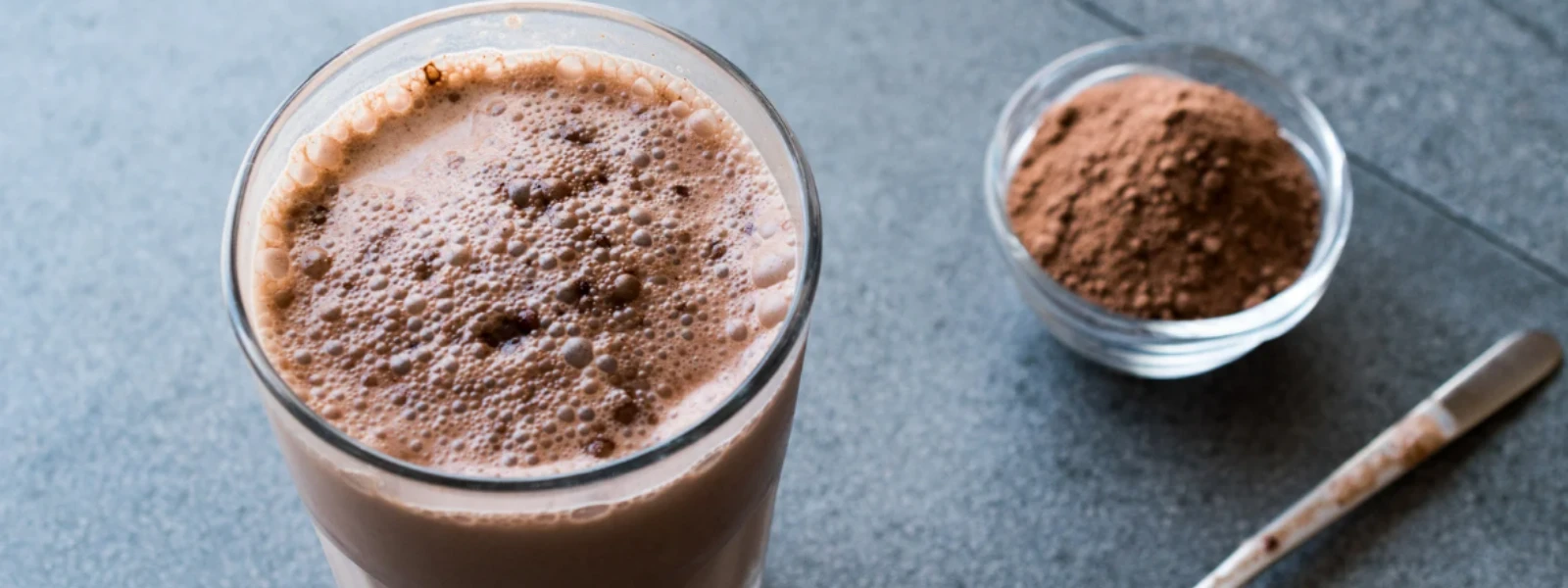


Creating the perfect chocolate milk starts with choosing the right foundation. The best milk powder for chocolate can transform an ordinary drink into a creamy, nutritious treat that rivals fresh milk preparations. Whether you're making a quick after-school snack for kids or crafting gourmet hot chocolate, understanding milk powder varieties and their unique properties will help you achieve consistently delicious results.
This comprehensive guide explores everything you need to know about selecting, using, and maximizing milk powder for chocolate applications. From nutritional benefits to recipe techniques, you'll discover how to make informed choices that enhance both flavor and health value in every cup.
Not all milk powders are created equal, especially when it comes to chocolate preparation. The type you choose significantly impacts taste, texture, and nutritional value of your final product.
Full cream milk powder contains the natural fat content found in whole milk, typically around 26-28% fat. This higher fat content creates the rich, creamy texture that makes chocolate milk truly satisfying. The fat molecules help carry chocolate flavors more effectively, resulting in a more indulgent taste experience.
When reconstituted, full cream powder closely mimics the mouthfeel of fresh whole milk. This makes it ideal for hot chocolate preparations where richness is paramount. The natural milk fats also help stabilize the mixture, preventing separation that can occur with lower-fat alternatives.
Instant milk powder undergoes special processing that makes it dissolve quickly in both hot and cold liquids. This convenience factor makes it perfect for busy families who want chocolate milk without the hassle of lengthy mixing or heating.
The instantization process involves agglomerating fine powder particles into larger, more porous clusters. These clusters break down rapidly when mixed with liquid, eliminating the lumpy texture that can plague regular milk powder preparations. For chocolate milk, this means smoother consistency and faster preparation time.
Whole milk powder retains all the original milk components, including beneficial fats that support nutrient absorption. These fats are particularly important for children, as they aid in the absorption of fat-soluble vitamins like Vitamin A and Vitamin D.
Skim milk powder, while lower in calories, may require additional ingredients to achieve the creamy texture many people expect from chocolate milk. However, it can be an excellent choice for those managing caloric intake while still wanting the protein and calcium benefits of milk.
Understanding milk powder nutrition helps you make informed choices that align with health goals while still enjoying delicious chocolate treats.
High-quality milk powder provides concentrated nutrition in a shelf-stable form. A typical serving contains significant amounts of protein, calcium, phosphorus, and B vitamins. The protein content is particularly valuable, offering all essential amino acids needed for muscle development and maintenance.
Calcium and phosphorus work together to support bone health, making chocolate milk an excellent way to increase these nutrients in children's diets. The concentration process actually increases the nutrient density compared to fresh milk, meaning you get more nutrition per serving.
Milk powder retains approximately 95% of the nutritional value found in fresh milk, but in a more concentrated form. This means a single tablespoon of quality milk powder can provide as much protein as a quarter cup of fresh milk.
When selecting milk powder for kids, age-specific nutritional needs should guide your choice. Toddlers require higher fat content for brain development, making full cream varieties ideal. School-age children benefit from the protein content that supports growth spurts and active lifestyles.
Teenagers, especially those involved in sports, can benefit from the concentrated protein in milk powder-based chocolate drinks. The convenience factor also appeals to busy adolescents who need quick nutrition between activities.
Creating exceptional milk powder recipes requires understanding proper ratios and mixing techniques that maximize both flavor and nutrition.
For rich hot chocolate, combine 3 tablespoons of full cream milk powder with 1 tablespoon of unsweetened cocoa powder and 1-2 teaspoons of natural sweetener. Gradually add hot water while whisking to prevent lumps. The key is adding liquid slowly and maintaining constant agitation.
Temperature control is crucial for optimal dissolution. Water that's too hot can cause proteins to coagulate, creating an unpleasant texture. Aim for water around 160-180°F for best results.
Cold preparation requires different techniques to ensure smooth mixing. Start by creating a paste with a small amount of cold water and your milk powder. This pre-mixing step prevents clumping when you add the remaining liquid.
For enhanced flavor, allow the mixture to rest for 5-10 minutes after initial mixing. This gives the milk powder time to fully hydrate and develop its characteristic creamy texture.
Combining milk powder with additional protein sources creates nutrient-dense chocolate drinks perfect for post-workout recovery or growing children. The natural proteins in milk powder complement other protein sources, providing a complete amino acid profile.
Milk powder for baking offers unique advantages that fresh milk cannot provide, particularly in chocolate-based desserts.
Adding milk powder to chocolate cake batter increases protein content while enhancing moisture retention. The powder acts as a natural emulsifier, helping create finer crumb structure and extended freshness.
Replace up to 25% of flour with milk powder in chocolate recipes for richer flavor and improved texture. This substitution also adds natural sweetness, allowing you to reduce added sugars without sacrificing taste.
In chocolate cookies and brownies, milk powder contributes to chewier texture while adding subtle dairy notes that complement chocolate flavors. The proteins in milk powder also aid in browning reactions, creating more appealing color and enhanced flavor development.
Proper storage ensures your milk powder maintains quality and nutritional value over time.
Store milk powder in airtight containers away from light, heat, and moisture. These factors can cause rancidity in the milk fats and reduce overall quality. A cool, dry pantry location is ideal for maintaining freshness.
Once opened, milk powder should be used within 6-8 months for best quality, though it remains safe for consumption much longer when properly stored. Transfer powder from original packaging to airtight containers if the original package cannot be properly resealed.
Fresh milk powder should have a clean, slightly sweet aroma and uniform color. Any off-odors, clumping, or color changes indicate quality degradation. High-quality powder dissolves smoothly without leaving gritty residue.
Selecting the best powdered milk requires evaluating several factors beyond price alone.
Look for products with minimal ingredients - ideally just milk with possible additions of vitamins A and D. Avoid products with unnecessary additives, artificial flavors, or excessive processing aids that don't contribute to nutritional value.
Check for fortification levels of essential nutrients. Many quality milk powders are fortified with additional Vitamin D and Vitamin A to replace nutrients that may be lost during processing.
While price is important, consider cost per serving rather than package price. Higher-quality powders often provide better nutrition density and superior taste, making them more economical in the long run.
Consider your primary use case when selecting products. If you primarily make cold chocolate milk, instant varieties offer convenience benefits that may justify higher costs. For baking applications, regular milk powder may provide better value.
The best milk powder for chocolate contains adequate fat content for richness and dissolves smoothly without leaving residue. Full cream varieties typically work best because the natural milk fats enhance chocolate flavor and create creamy texture.
Use approximately 3-4 tablespoons of milk powder per cup of liquid for standard strength chocolate milk. Adjust based on desired richness and the specific product's concentration level.
Yes, milk powder can replace fresh milk in most baking applications. Use 1 part milk powder plus 4 parts water to replace fresh milk, or add dry powder directly to dry ingredients and increase liquid content accordingly.
Once mixed with water, milk powder should be consumed within 24 hours when refrigerated. The reconstituted milk has similar perishability to fresh milk and should be treated accordingly.
Quality milk powder retains most of the nutritional benefits of fresh milk, including protein, calcium, and vitamins. The concentration process may actually increase nutrient density, making it an excellent option for growing children.
Choosing the best milk powder for chocolate involves balancing taste preferences, nutritional needs, and practical considerations like storage and preparation convenience. Full cream varieties typically provide the richest flavor and most satisfying texture, while instant options offer unmatched convenience for busy lifestyles. Understanding the unique properties of different milk powder types empowers you to create consistently delicious chocolate drinks and baked goods that meet your family's needs. Whether you're seeking quick after-school snacks or gourmet hot chocolate experiences, the right milk powder forms the foundation for countless enjoyable and nutritious chocolate creations.


Someone sent you
Error
Powered by ReferRush


