17 Beginner Gym Routine Secrets to Kickstart Your Fitness Journey
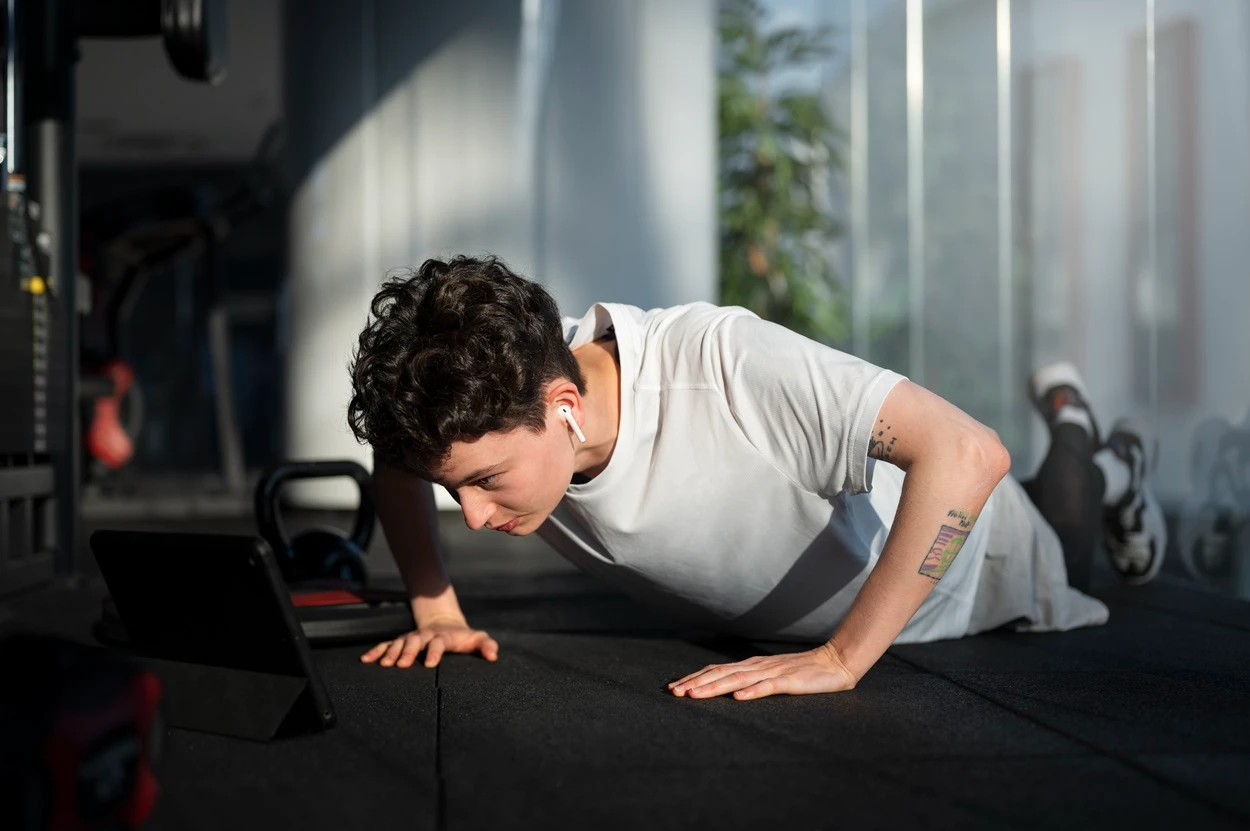


Did you know that 73% of gym newcomers abandon their fitness goals within the first six months due to inadequate planning and overwhelming routines? The difference between those who succeed and those who quit often comes down to having the right gym workout plan for beginners.
This comprehensive guide reveals 17 scientifically-backed secrets that transform gym intimidation into confidence, helping you build a sustainable fitness foundation from day one. By reading this post, you'll discover evidence-based strategies to create an effective beginner gym routine, understand proper form techniques, learn optimal workout scheduling, and develop the mindset needed for long-term fitness success. Whether you're debating home workout vs gym for beginners or ready to step into your first gym session, these insights will accelerate your fitness journey while preventing common beginner mistakes.
Your first two days should focus on familiarizing yourself with the gym layout and basic movements. Walk around during off-peak hours, locate different equipment areas, and practice bodyweight exercises like squats and push-ups.
Days three and four introduce light resistance training using machines or light dumbbells. Focus on learning proper form rather than lifting heavy weights. This beginner gym routine approach builds confidence while teaching fundamental movement patterns.
By days five through seven, you'll start establishing your personal workout rhythm. Pay attention to which times feel most comfortable and when the gym is less crowded.
Understanding equipment sharing protocols helps you feel more comfortable in group settings. Always wipe down equipment after use, allow others to work in between your sets, and return weights to their proper locations.
Peak hours typically occur early morning and evening when most people exercise before or after work. If possible, try visiting during mid-morning or early afternoon when the gym is quieter and equipment is more readily available.
Visualization exercises can significantly reduce gym anxiety. Spend five minutes before each visit imagining yourself successfully completing your planned workout. This mental rehearsal builds confidence and reduces stress.
Set micro-goals for immediate wins, such as completing a ten-minute walk on the treadmill or learning one new exercise. These small achievements build momentum and create positive associations with gym attendance.
A three-day workout schedule provides excellent results for beginners while allowing adequate recovery time. This approach typically involves full-body workouts on non-consecutive days, such as Monday, Wednesday, and Friday.
Four-day splits become beneficial after several weeks of consistent training. This basic gym workout schedule allows for more targeted muscle group focus while maintaining manageable session lengths.
Rest days are crucial for muscle repair and growth. Active recovery activities like walking, gentle stretching, or light yoga can enhance recovery without interfering with your training progress.
Optimal workout sessions last 45-60 minutes for beginners. This timeframe allows for proper warm-up, main workout, and cool-down without causing excessive fatigue or time commitment stress.
Starting with three sessions per week provides the ideal balance between stimulus and recovery. As your fitness improves, you can gradually increase frequency based on how your body responds to training.
Expert Insight Corner
"The most successful beginners I've trained follow the 'Rule of Thirds': one-third strength training, one-third cardiovascular exercise, and one-third flexibility and mobility work. This balanced approach reduces injury risk while maximizing overall fitness gains." - Dr. Sarah Mitchell, Exercise Physiologist, American Fitness Research Institute
Squat variations form the foundation of lower body strength training for beginners. Start with bodyweight squats, focusing on proper depth and knee alignment. Progress to goblet squats using a light dumbbell when you master the basic movement.
Deadlift fundamentals teach you to lift objects safely from the ground. Begin with a light barbell or dumbbells, emphasizing hip hinge movement and maintaining a neutral spine throughout the lift.
Push and pull movements balance upper body development. Push-ups, chest presses, rows, and pull-downs create functional strength patterns used in daily activities.
Starting weights should allow you to complete 12-15 repetitions with proper form while feeling challenged in the final few reps. Form mastery takes priority over weight progression during your first month of training.
Increase weights by small increments, typically 2.5-5 pounds for upper body exercises and 5-10 pounds for lower body movements. This gradual approach prevents injury while ensuring consistent progress.
Free weights offer greater muscle activation and functional movement patterns, while machines provide stability and safety for learning basic exercises. Beginners benefit from using both types of equipment strategically.
Safety equipment includes proper footwear, comfortable workout clothes, and knowledge of emergency procedures. Never hesitate to ask gym staff for assistance with unfamiliar equipment or exercises.
Compound movements used in full body workout for beginners routines activate multiple muscle groups simultaneously, creating greater metabolic demand and calorie burn. These exercises also improve coordination and functional strength.
Time efficiency makes full-body workouts ideal for busy schedules. You can achieve comprehensive muscle stimulation in shorter sessions compared to split routines that target individual muscle groups.
Warm-up protocols should include 5-10 minutes of light cardio followed by dynamic stretching. This preparation increases blood flow and prepares your joints for exercise.
The main workout structure consists of 30-40 minutes focusing on compound exercises like squats, deadlifts, push-ups, and rows. Perform 2-3 sets of 8-12 repetitions for each exercise.
Cool-down and flexibility work requires 10-15 minutes of static stretching and deep breathing. This phase helps reduce muscle tension and promotes recovery.
Weekly progression markers include increased repetitions, heavier weights, or improved exercise form. Keep a simple workout log to track these improvements over time.
Modify your routine every 4-6 weeks to prevent plateaus and maintain motivation. Small changes like exercise variations or rep ranges keep your workouts fresh and challenging.
Financial considerations include gym membership fees, transportation costs, and potential equipment purchases for home workouts. Calculate total monthly expenses to make an informed decision.
Equipment accessibility varies significantly between home and gym environments. Gyms offer diverse machines and free weights, while home workouts may require creative solutions or equipment investments.
Studies indicate that both home workout vs gym for beginners approaches can be effective when programs are well-designed and consistently followed. The key factor is adherence to a structured routine rather than location.
Social motivation factors often favor gym environments, where seeing others exercise can boost motivation and accountability. However, some people prefer the privacy and convenience of home workouts.
Schedule flexibility assessment involves considering your daily routine, work hours, and family commitments. Gyms offer set hours, while home workouts provide complete flexibility.
Space and equipment requirements vary based on your chosen exercise style. Bodyweight exercises need minimal space, while strength training may require more room and equipment.
Strength benchmarks for progression include completing all planned sets and repetitions with proper form while feeling you could do 2-3 more reps. This indicates readiness for increased challenge.
Cardiovascular fitness markers include reduced heart rate during previously challenging activities and faster recovery between exercise sets. These improvements signal adaptation to your current program.
Months one and two focus on foundation building through basic movement patterns and consistent attendance. Avoid complex exercises during this crucial learning period.
Months three and four allow for complexity introduction, such as barbell exercises, unilateral movements, and increased training frequency. Your improved coordination and strength support these progressions.
Optimal meal timing involves eating a balanced meal 2-3 hours before exercise or a light snack 30-60 minutes prior. Post-workout nutrition should occur within two hours to support recovery.
Hydration strategies require drinking water throughout the day, not just during exercise. Aim for clear or pale yellow urine as a hydration indicator.
When considering supplement support for your fitness journey, quality matters significantly. Superior ingredients, highly absorbable formats, palatable flavors ensure that any nutritional support complements rather than complicates your routine.
Sleep quality directly impacts fitness results through hormone regulation, muscle repair, and energy restoration. Aim for 7-9 hours of consistent, quality sleep each night.
Active recovery techniques include light walking, gentle stretching, or recreational activities that promote blood flow without adding training stress. These activities enhance recovery while keeping you moving on rest days.
Most fitness professionals recommend following a structured beginner program for 8-12 weeks before considering advancement. This timeframe allows your body to adapt to new movement patterns, build foundational strength, and establish consistent habits. Progress indicators include completing all sets with proper form, feeling confident with basic exercises, and achieving initial strength goals.
The most common mistake is attempting too much too soon, leading to burnout or injury. Research shows that many gym beginners quit within three months due to unrealistic expectations and overly aggressive routines. Starting with 2-3 gym sessions per week focusing on basic movements provides sustainable progress without overwhelming your recovery capacity.
While not mandatory, working with a qualified trainer for 4-6 sessions can significantly improve your long-term success. Studies indicate that beginners who receive initial professional guidance have better exercise adherence and fewer form-related injuries. If budget is a concern, consider group training sessions or online coaching as cost-effective alternatives.
Start with weights that allow you to complete 12-15 repetitions with proper form while feeling challenged in the last 2-3 reps. You should be able to maintain good technique throughout the entire set. If you can easily complete more than 15 reps, increase the weight by 5-10%. If you can't complete 10 reps with proper form, reduce the weight.
Mild muscle soreness 24-48 hours after exercise is normal and indicates muscle adaptation. However, severe pain, joint discomfort, or soreness lasting more than 72 hours suggests you may be overtraining. Proper warm-up, gradual progression, and adequate rest between sessions help minimize excessive soreness while maintaining training effectiveness.
Starting your fitness journey with a well-structured gym workout plan for beginners sets the foundation for lifelong health and wellness success. These 17 secrets provide the scientific framework and practical strategies needed to transform gym intimidation into confidence, ensuring your first months of training are both effective and sustainable. Remember that consistency trumps intensity, proper form prevents injuries, and gradual progression yields lasting results. The key to long-term success lies in viewing fitness as a lifestyle enhancement rather than a temporary challenge. By implementing these evidence-based strategies, you're not just building physical strength—you're developing the mental resilience and healthy habits that will serve you for years to come. Your fitness journey begins with that first step into the gym, armed with the knowledge and confidence to succeed.


Someone sent you
Error
Powered by ReferRush


