How to Choose the Best Lactose Free Protein Powder in India?
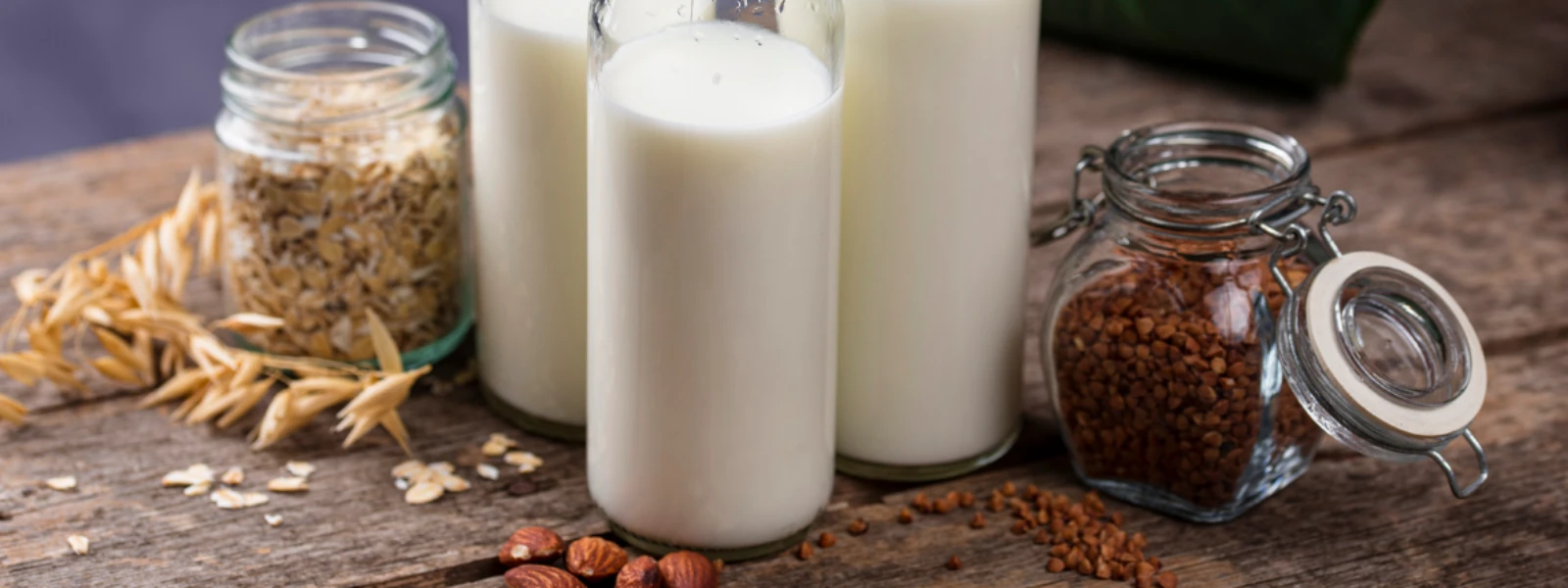


Finding the right protein supplement can be challenging when you're dealing with lactose intolerance. With nearly 70% of the Indian population experiencing some degree of lactose sensitivity, the demand for lactose free protein powder in india has grown significantly. Whether you're an athlete pushing your limits or someone simply looking to meet daily protein goals, understanding your options is crucial for both performance and digestive comfort.
This comprehensive guide will help you navigate the world of lactose-free protein supplements available in the Indian market. You'll learn about different types of proteins, how to identify truly lactose-free products, and what factors matter most when making your choice. By the end, you'll have the knowledge to select a protein powder that supports your fitness goals without compromising your digestive health.
Lactose is a natural sugar found in milk and dairy products. When protein powders are derived from milk sources like whey or casein, they often contain lactose unless specifically processed to remove it. Whey protein without lactose is achieved through advanced filtration methods that separate the lactose from the protein molecules.
The key difference lies in the processing method. Regular whey protein concentrate may contain 4-8% lactose, while whey protein isolate undergoes additional filtration to reduce lactose content to less than 1%. For those with severe lactose intolerance, even this small amount might cause discomfort, making completely dairy free protein powder india options more suitable.
Research shows that lactose intolerance affects a significant portion of the Indian population, with prevalence rates varying across different regions. For athletes and fitness enthusiasts, digestive discomfort can directly impact training performance and recovery. Bloating, gas, and stomach upset can derail workout sessions and interfere with nutrient absorption.
Cultural dietary preferences also play a role. Many Indians follow vegetarian diets or have specific dietary restrictions that make plant based protein powder india options more appealing. These preferences, combined with lactose sensitivity, create a strong demand for alternative protein sources that align with both health needs and lifestyle choices.
Whey protein isolate represents the most processed form of whey protein, containing 90% or higher protein content with minimal lactose. The extensive filtration process removes most carbohydrates, fats, and lactose while preserving the complete amino acid profile that makes whey so effective for muscle building.
For those who can tolerate minimal lactose amounts, whey isolate offers superior bioavailability and rapid absorption. It contains all nine essential amino acids in optimal ratios for muscle protein synthesis. The protein isolate india market offers several high-quality options that undergo rigorous testing to ensure lactose content remains below tolerance thresholds.
Pea protein powder india has gained popularity as a complete protein source derived from yellow split peas. It provides all essential amino acids and is naturally free from lactose, dairy, and most common allergens. Pea protein offers excellent digestibility and has been shown to support muscle growth comparably to whey protein in several studies.
Rice protein, hemp protein, and soy protein represent other viable plant-based options. Each has unique characteristics: rice protein is hypoallergenic and easily digestible, hemp protein provides omega fatty acids alongside protein, and soy protein offers a complete amino acid profile similar to animal proteins.
Allergy friendly protein supplements go beyond just being lactose-free. These products are formulated to avoid multiple common allergens including gluten, soy, eggs, and nuts. For individuals with multiple food sensitivities, these specialized formulations provide peace of mind while delivering essential nutrition.
Many hypoallergenic protein powder india options incorporate superior ingredients and highly absorbable formats to maximize nutrient uptake while minimizing digestive stress. These products often include digestive enzymes or probiotics to further support gut health.
When evaluating lactose intolerance protein options, protein quality should be your primary consideration. Look for products that provide complete amino acid profiles, particularly high levels of branched-chain amino acids (BCAAs) that are crucial for muscle recovery and growth.
The biological value and protein digestibility score can help you compare different options. Whey isolate typically scores highest in these metrics, but high-quality plant proteins can also provide excellent results when properly formulated. Some manufacturers combine multiple plant proteins to create complete amino acid profiles that rival dairy-based options.
Beyond the protein source, examine additional ingredients carefully. Some products include artificial sweeteners, colors, or preservatives that might not align with your health goals. Look for clean-label products that use natural flavoring and minimal additives.
Third-party testing and certifications provide additional assurance of product quality and purity. Certifications for organic, non-GMO, or specific allergen-free status can help you make informed decisions based on your personal preferences and dietary requirements.
Did You Know?
Many protein powders marketed as "lactose-free" may still contain trace amounts of lactose from cross-contamination during manufacturing. For severe lactose intolerance, choosing completely plant-based options eliminates this risk entirely.
Different fitness goals may require different protein characteristics. Vegan protein powder for athletes should provide rapid absorption for post-workout recovery, while those focused on weight management might prefer proteins with added fiber or metabolism-supporting ingredients.
Consider your training schedule and lifestyle when selecting protein timing. Some plant proteins digest more slowly than whey isolate, which might be beneficial for sustained amino acid release but less ideal for immediate post-workout nutrition.
Product labels can be confusing, with terms like "lactose-free," "dairy-free," and "milk-free" having different meanings. Lactose-free products may still contain dairy proteins, while dairy-free products avoid all milk-derived ingredients entirely.
Look for specific lactose content information when available. Products containing less than 0.1% lactose are generally considered safe for most lactose-intolerant individuals, but those with severe sensitivity should opt for completely dairy-free alternatives.
Individual tolerance levels vary significantly among those with lactose intolerance. Start with small servings of any new protein powder and monitor your body's response. Keep a food diary to track any digestive symptoms and identify your personal tolerance threshold.
If you experience persistent digestive issues even with supposedly lactose-free products, consider consulting with a healthcare professional or registered dietitian who can help identify other potential sensitivities or underlying digestive concerns.
The recommended protein intake for active individuals ranges from 1.2 to 2.0 grams per kilogram of body weight daily. Distribute this intake throughout the day, with particular attention to post-workout timing when muscle protein synthesis rates are elevated.
For best lactose free protein india options, follow manufacturer guidelines while adjusting based on your total daily protein intake from food sources. Most protein powders provide 20-30 grams of protein per serving, which aligns well with the body's capacity for protein utilization in a single meal.
Proper preparation can significantly impact both taste and digestibility of your chosen protein powder. Use adequate liquid to prevent clumping, and consider blending with fruits or other ingredients to improve palatability. Some plant proteins benefit from longer mixing times to achieve smooth consistency.
Store protein powders in cool, dry places away from direct sunlight. India's humid climate can affect powder quality, so ensure containers are tightly sealed after each use. Most protein powders maintain quality for 12-24 months when stored properly.
Whey protein isolate contains minimal lactose, typically less than 1%, due to extensive processing. While this is tolerable for many people with lactose sensitivity, those with severe intolerance may still experience symptoms and should consider plant-based alternatives.
Pea protein provides one of the most complete amino acid profiles among single-source plant proteins. However, blends combining pea, rice, and hemp proteins often offer superior amino acid completeness that rivals dairy-based options.
Yes, high-quality lactose-free proteins can support muscle building effectively. The key is ensuring adequate protein intake with complete amino acid profiles. Some studies show comparable muscle-building results between whey isolate and premium plant protein blends.
Plant-based proteins are generally well-tolerated but may cause initial digestive adjustment in some individuals. Starting with smaller servings and gradually increasing intake can help minimize any temporary digestive changes as your system adapts.
Look for products specifically labeled as dairy-free rather than just lactose-free. Check for third-party testing certifications and read ingredient lists carefully for any milk-derived components. When in doubt, contact the manufacturer directly for detailed allergen information.
Choosing the right lactose-free protein powder requires understanding your individual tolerance levels, fitness goals, and dietary preferences. Whether you opt for whey protein isolate with minimal lactose content or completely plant-based alternatives, focus on products that offer superior ingredients, highly absorbable formats, and palatable flavors. The Indian market now offers numerous high-quality options that can support your fitness journey without compromising digestive comfort. Take time to research different products, read labels carefully, and consider starting with smaller quantities to test your tolerance before committing to larger purchases.


Someone sent you
Error
Powered by ReferRush


