How to Choose the Best Plant Based Protein Powder in India?
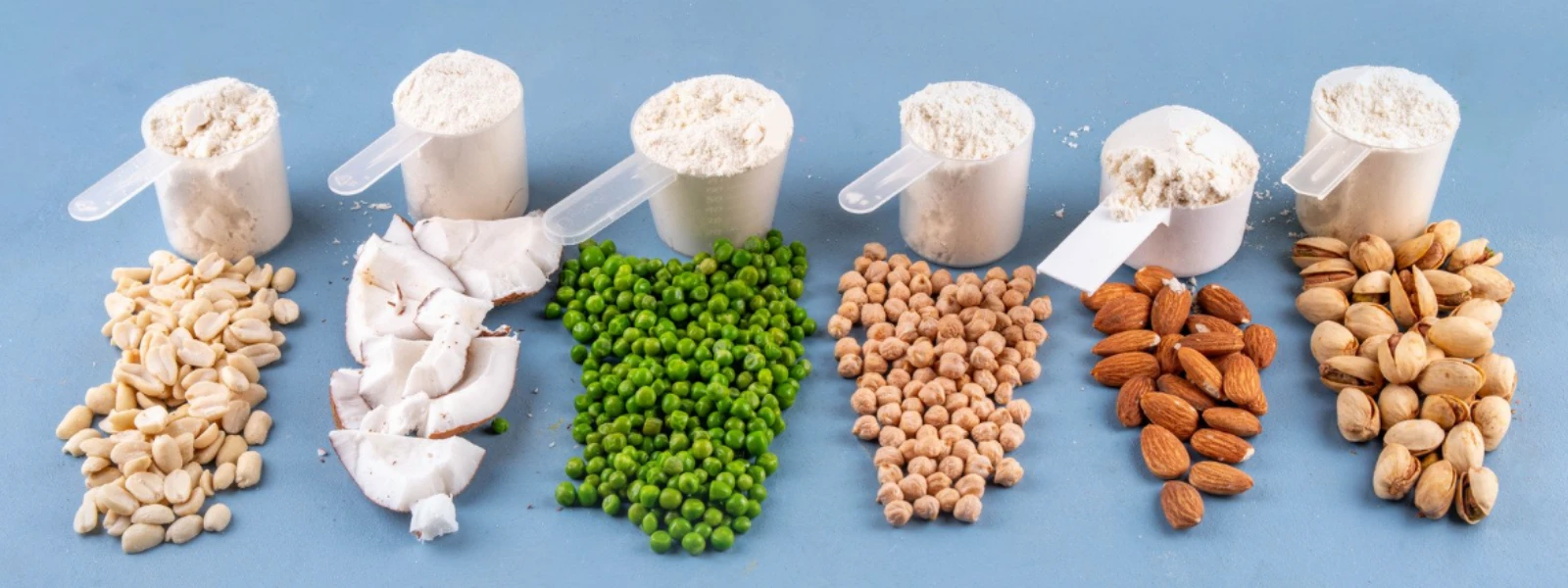


The fitness landscape in India is experiencing a remarkable shift. More people are choosing plant based protein powder India options over traditional supplements. This change reflects growing awareness about health, environment, and ethical consumption. Whether you're an athlete, fitness enthusiast, or someone looking to boost daily nutrition, understanding how to choose the right plant protein can transform your wellness journey.
This comprehensive guide will help you navigate the expanding world of vegan protein powder India options. You'll learn about different types, key selection criteria, and how to find the perfect match for your specific needs and budget.
The demand for vegan protein powder in India has grown exponentially in recent years. Health-conscious consumers are driving this trend, seeking alternatives that align with their values and dietary preferences. Environmental concerns play a significant role too, as plant proteins require fewer resources to produce compared to animal-based options.
Athletes and celebrities have embraced plant proteins, showcasing their effectiveness for performance and recovery. The Indian market has responded with innovative formulations that cater to local tastes and nutritional needs. Natural protein powder India options now offer superior ingredients, highly absorbable formats, and palatable flavors that rival traditional supplements.
Market research shows that younger demographics, particularly those aged 18-44, are leading this shift. They value transparency, sustainability, and proven results. This demographic seeks products that support their active lifestyles while aligning with their ethical choices.
Pea protein powder India options have gained popularity for good reason. This protein source provides all essential amino acids, making it comparable to whey protein in terms of muscle-building potential. Pea protein digests easily and rarely causes digestive discomfort.
The protein content in quality pea protein powders ranges from 20-25 grams per serving. It's particularly rich in branched-chain amino acids (BCAAs), which support muscle recovery and growth. Athletes appreciate its neutral taste and excellent mixability.
Rice protein powder India varieties offer an excellent option for those with food sensitivities. This protein source is naturally free from common allergens like dairy, soy, and gluten. It provides a complete amino acid profile when combined with other plant proteins.
Brown rice protein is the most common form available. It offers good digestibility and a mild flavor that works well in smoothies and recipes. The protein content typically ranges from 15-20 grams per serving.
Soy protein powder India remains a popular choice due to its complete amino acid profile and affordability. It's one of the few plant proteins that naturally contains all essential amino acids in optimal ratios. Soy protein supports muscle building and has been extensively studied for its health benefits.
Modern processing methods have improved the taste and texture of soy protein powders. They typically provide 20-25 grams of protein per serving and mix well with various liquids.
Emerging options include hemp protein and carefully crafted blends that combine multiple plant sources. These formulations aim to provide complete nutrition while offering unique benefits like omega fatty acids and fiber. Multi-source blends often deliver superior amino acid profiles compared to single-source proteins.
Many fitness enthusiasts wonder about whey protein alternatives India when considering plant options. The nutritional comparison reveals interesting insights. While whey protein has traditionally been considered the gold standard, quality plant proteins now offer comparable benefits.
Protein content per serving is similar between high-quality plant and whey proteins. Both typically provide 20-25 grams per serving. The key difference lies in digestibility and additional nutrients. Plant proteins often include fiber, antioxidants, and phytonutrients that whey lacks.
For protein powder for athletes India, plant options now deliver excellent results. Studies show that plant proteins can support muscle building and recovery just as effectively as whey when consumed in adequate amounts. The absorption rates have improved significantly with advanced processing techniques.
Cost considerations favor plant proteins in many cases. While premium options may cost more initially, the price per gram of protein often competes favorably with quality whey products. Additionally, plant proteins typically have longer shelf lives and don't require refrigeration.
When evaluating best plant based protein India options, protein content should be your first consideration. Look for products providing at least 15-20 grams of protein per serving. Higher protein content isn't always better if it comes at the expense of taste or digestibility.
Amino acid profiles matter significantly. Complete proteins contain all nine essential amino acids in adequate proportions. If choosing single-source proteins, consider rotating between different types or combining them in meals to ensure complete nutrition.
Third-party testing and certifications add credibility to protein claims. Look for products tested for purity, potency, and contaminants. Certifications from recognized bodies indicate higher quality standards.
Reading labels carefully helps identify quality plant protein supplements India. The ingredient list should be short and recognizable. Avoid products with excessive artificial additives, fillers, or sweeteners that might cause digestive issues.
Organic certification isn't mandatory but can indicate higher quality sourcing. Natural flavoring systems often work better than artificial alternatives for long-term use. Some products achieve great taste through natural fruit powders and spice extracts.
Taste preferences vary significantly among users. Many brands offer sample sizes or variety packs to help you find preferred flavors. Vanilla and chocolate remain popular choices, but fruit flavors and unflavored options provide versatility.
Mixability affects daily usability. Quality proteins should dissolve smoothly in water or plant milk without leaving lumps or gritty textures. Some formulations include natural emulsifiers to improve mixing properties.
Digestibility concerns are less common with plant proteins compared to dairy-based options. However, individual tolerance varies. Start with smaller servings to assess your body's response before increasing to full portions.
Calculate the cost per serving rather than focusing solely on package price. Larger containers often provide better value, but ensure you'll use the product before expiration. Factor in shipping costs for online purchases when comparing prices.
Premium products may justify higher costs through superior ingredients, better taste, or additional nutrients. However, many mid-range options provide excellent value without compromising quality.
Post workout protein India consumption timing can influence results. Consuming plant protein within 30-60 minutes after exercise supports optimal recovery. However, total daily protein intake matters more than precise timing for most people.
Daily protein requirements depend on activity level, body weight, and goals. Active individuals typically need 1.2-2.0 grams of protein per kilogram of body weight. Divide this intake across multiple meals for better absorption.
Plant proteins work well beyond simple shakes. Add them to pancake batter, oatmeal, or yogurt for protein boosts. Baking applications work particularly well with vanilla or unflavored varieties.
Smoothie combinations can mask any flavor concerns while adding nutrition. Combine plant protein with fruits, vegetables, and healthy fats for complete meals. Frozen fruits improve texture while adding natural sweetness.
Plant proteins complement other supplements well. Creatine, for example, works synergistically with protein for muscle building. Digestive enzymes can help if you experience any initial digestive adjustment.
Avoid taking plant protein simultaneously with calcium or iron supplements, as some plant compounds can interfere with mineral absorption. Space these supplements by at least two hours when possible.
Pea protein and soy protein typically offer the best value combination of price, protein content, and nutritional quality. Multi-source blends may cost more but provide superior amino acid profiles and additional nutrients that justify the investment.
Yes, quality plant proteins can effectively replace whey for muscle building when consumed in adequate amounts. Research shows similar muscle protein synthesis rates between plant and whey proteins when total daily protein intake meets requirements.
Most people benefit from 20-40 grams of plant protein powder daily, depending on their total protein needs and dietary intake from whole foods. Athletes or those with higher protein requirements may need more, but spreading intake across multiple servings improves absorption.
Plant protein powders are generally well-tolerated with minimal side effects. Some people may experience mild digestive adjustment initially, particularly with high-fiber varieties. Starting with smaller servings and gradually increasing helps minimize any temporary discomfort.
Most plant protein powders maintain quality for 12-24 months when stored properly in cool, dry conditions. India's humid climate requires extra attention to storage. Keep containers tightly sealed and consider refrigeration during monsoon season to prevent moisture absorption.
Choosing the right plant based protein powder India requires considering your specific needs, preferences, and budget. Quality options now offer superior ingredients, highly absorbable formats, and palatable flavors that support your fitness goals effectively. Whether you choose pea, rice, soy, or blended formulations, focus on products with transparent labeling, adequate protein content, and good digestibility. The plant protein market in India continues expanding with innovative options that make it easier than ever to find products that align with your health and ethical values. Take time to research and potentially try different options to discover what works best for your lifestyle and goals.


Someone sent you
Error
Powered by ReferRush


