The Essential Checklist: 7 Ways 100g Curd Protein Boosts Health
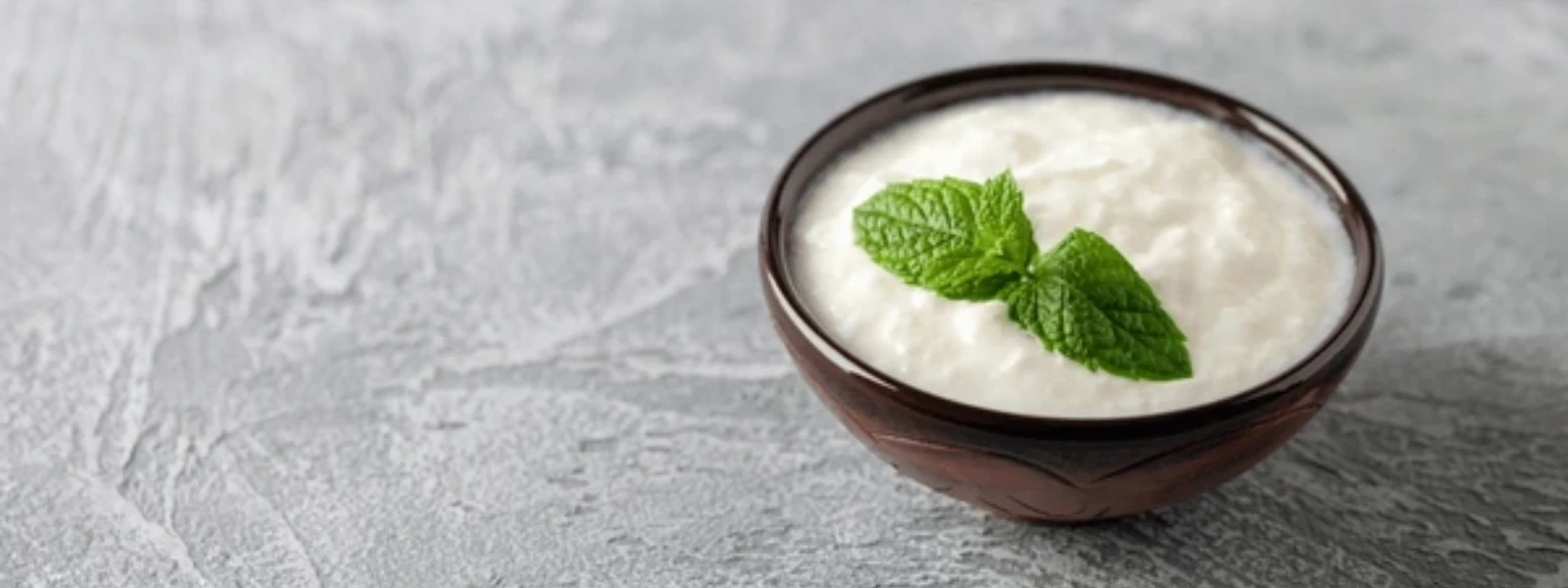


Did you know that a simple bowl of curd packs an impressive 11.75 grams of protein per 100 grams? This humble dairy staple, often overlooked in protein conversations, delivers a nutritional punch that rivals many expensive supplements. While protein powders and bars dominate fitness discussions, 100 gram curd protein offers a natural, accessible way to fuel your body's essential functions.
Curd stands out as more than just a creamy snack. It provides high-quality protein alongside probiotics, essential minerals, and vitamins that work together to support your health goals. Whether you're an athlete seeking muscle recovery or someone looking to optimize daily nutrition, understanding how curd's protein content impacts your body can transform your approach to healthy eating.
This comprehensive guide explores seven science-backed ways that 100g curd protein enhances your health, from muscle building to immune support. You'll discover practical strategies to maximize curd's benefits and learn why this traditional food deserves a place in modern nutrition plans.
The protein content in curd varies slightly based on preparation method and milk source, but standard curd consistently delivers approximately 11.75 grams of protein per 100 grams. This makes it a protein dense curd option that competes favorably with other dairy products.
Curd contains all nine essential AmIno aciDS, making it a complete protein source. The fermentation process actually enhances protein digestibility, breaking down complex proteins into more absorbable forms. This high protein yogurt alternative provides leucine, isoleucine, and valine - branched-chain amino acids crucial for muscle protein synthesis.
Research shows that dairy proteins like those found in curd have a biological value of 91, meaning your body can utilize 91% of the protein consumed. This high bioavailability makes curd particularly effective for meeting daily protein requirements.
When examining protein rich dairy products, curd holds its own against popular alternatives. Greek yogurt typically contains 10-15 grams of protein per 100g, while regular milk provides only 3.4 grams. Cottage cheese offers similar protein levels to curd, but curd's probiotic benefits give it an additional advantage.
For those seeking low fat high protein dairy options, curd made from skimmed milk provides the same protein content with reduced fat calories. This makes it an ideal choice for weight management while maintaining protein intake.
Protein serves as the building block for muscle tissue repair and growth. The 100 gram curd protein provides a substantial portion of daily protein needs, supporting muscle recovery after exercise and maintaining lean muscle mass during aging.
The amino acid profile in curd makes it particularly beneficial for post-exercise recovery. Leucine, comprising about 10% of curd's protein content, triggers muscle protein synthesis pathways. Consuming curd within two hours after exercise can significantly enhance recovery rates.
Studies demonstrate that dairy proteins like those in curd stimulate muscle protein synthesis more effectively than plant-based proteins. This makes curd an excellent choice for athletes and fitness enthusiasts seeking natural recovery support.
Unlike whey protein that provides rapid amino acid availability, curd contains casein proteins that digest slowly. This sustained release provides steady amino acid supply to muscles for several hours, making it ideal for nighttime consumption or between meals.
Did You Know?
The slow-digesting proteins in curd can provide amino acids to your muscles for up to 6-8 hours after consumption, making it an excellent bedtime snack for overnight muscle recovery.
The protein content in curd plays a crucial role in metabolic health optimization. High-protein foods like curd increase thermogenesis, meaning your body burns more calories during digestion and metabolism.
Protein triggers the release of satiety hormones like GLP-1 and peptide YY, which signal fullness to your brain. The 100 gram curd protein can help control appetite for several hours, reducing overall calorie intake throughout the day.
Research indicates that increasing protein intake to 25-30% of daily calories can boost metabolism by 80-100 calories per day. Regular curd consumption contributes significantly to reaching these protein targets naturally.
Protein helps slow glucose absorption from other foods consumed simultaneously. This makes curd an excellent addition to meals containing carbohydrates, as it helps prevent blood sugar spikes and crashes.
The combination of protein and probiotics in curd may also improve insulin sensitivity, supporting better glucose metabolism over time. This is particularly beneficial for individuals managing blood sugar levels.
Protein plays a fundamental role in immune function, and curd's unique combination of high-quality protein and beneficial bacteria creates a powerful immune-supporting food.
Your immune system relies on protein to produce antibodies, immunoglobulins, and other immune compounds. The complete amino acid profile in curd provides all necessary building blocks for optimal immune function.
Specific amino acids like arginine and glutamine, present in curd, support immune cell proliferation and function. Regular consumption helps maintain robust immune responses to pathogens and stressors.
The beneficial bacteria in curd work synergistically with dietary protein to enhance immune function. These probiotics support gut barrier function, which serves as your first line of defense against harmful microorganisms.
Studies show that combining protein intake with probiotic consumption, as naturally occurs in curd, enhances both local gut immunity and systemic immune responses throughout the body.
Beyond protein content, curd offers unique digestive health benefits that enhance overall nutrition absorption and gut function.
The probiotics in curd, particularly Lactobacillus bulgaricus and Streptococcus thermophilus, promote healthy gut bacterial balance. These beneficial bacteria aid protein digestion and improve overall nutrient absorption.
A healthy gut microbiome enhances protein utilization, meaning you get more benefit from the 100 gram curd protein compared to protein sources without probiotic support.
Fermented foods like curd contain natural enzymes that aid digestion. These enzymes help break down proteins, fats, and carbohydrates more efficiently, reducing digestive stress and improving nutrient availability.
For individuals with lactose sensitivity, the fermentation process in curd reduces lactose content while maintaining protein levels, making it a more digestible high protein dairy alternative.
The nutritional value of curd extends far beyond protein content, offering a comprehensive package of essential nutrients that work together to support optimal health.
Curd provides significant amounts of calcium (120mg per 100g), phosphorus (95mg), and potassium (155mg). These minerals work alongside protein to support bone health, muscle function, and cellular processes.
The bioavailability of these minerals is enhanced by the protein content, as certain amino acids help transport and utilize minerals more effectively throughout the body.
Curd contains important B vitamins, including B12, riboflavin, and folate, which support energy metabolism and protein utilization. Vitamin B12 is particularly important for protein synthesis and red blood cell formation.
The combination of high-quality protein with these essential vitamins makes curd a nutrient-dense choice that supports multiple bodily functions simultaneously.
Maximizing the benefits of 100 gram curd protein requires strategic consumption timing and preparation methods that enhance both nutrition and enjoyment.
For muscle building and recovery, consume curd within 30 minutes to 2 hours after exercise. For weight management, include curd as part of breakfast or as an afternoon snack to control appetite throughout the day.
Evening consumption provides sustained protein release during sleep, supporting overnight muscle recovery and growth hormone production. This makes curd one of the best yogurt for protein options for nighttime nutrition.
Hung curd concentrates protein content, potentially increasing protein density to 15-18 grams per 100g. This preparation method removes excess whey while retaining beneficial bacteria and nutrients.
Combining curd with nuts, seeds, or fruits creates balanced meals that provide complete nutrition while maintaining the protein benefits. These combinations also enhance mineral absorption and provide sustained energy.
Most adults can safely consume 200-300 grams of curd daily, providing 23-35 grams of high-quality protein. This amount contributes significantly to daily protein requirements while delivering additional health benefits.
For optimal results, distribute curd consumption throughout the day rather than consuming large amounts at once. This approach maximizes protein utilization and maintains steady amino acid availability.
Standard curd contains approximately 11.75 grams of protein per 100 grams. This amount can vary slightly based on milk source and preparation method, with hung curd containing higher concentrations of protein due to whey removal.
Two hundred grams of curd provides about 23.5 grams of high-quality protein, which contributes significantly to daily protein needs. However, this should be part of a balanced diet that includes other protein sources to meet total daily requirements, typically 1.6-2.2 grams per kilogram of body weight for muscle building.
Curd protein offers different benefits compared to whey protein. While whey provides rapid amino acid availability ideal for immediate post-workout nutrition, curd provides sustained protein release that supports longer-term muscle recovery and growth. Both can be valuable components of a fitness nutrition plan.
Curd contains approximately three times more protein per 100g compared to regular milk. The fermentation process also enhances protein digestibility and adds beneficial probiotics that support gut health and immune function, making it a more nutritionally complete option.
The fat content in curd does not negatively impact protein absorption. In fact, some fat can help with the absorption of fat-soluble vitamins present in curd. Low-fat versions provide the same protein content with fewer calories, making them suitable for different dietary goals.
The impressive protein content in 100g of curd, combined with its complete amino acid profile and additional health benefits, makes it a valuable addition to any nutrition plan. From supporting muscle recovery and metabolic health to enhancing immune function and digestive wellness, curd demonstrates how traditional foods can meet modern nutritional needs. The sustained protein release, probiotic benefits, and rich mineral content create a comprehensive nutritional package that extends far beyond simple protein supplementation. By incorporating curd strategically into your daily routine, you can harness these seven powerful health benefits while enjoying a delicious, accessible, and natural protein source that supports your overall wellness journey.


Someone sent you
Error
Powered by ReferRush


