Why Switch to Plant Protein? Your Guide to Vegan Protein Sources
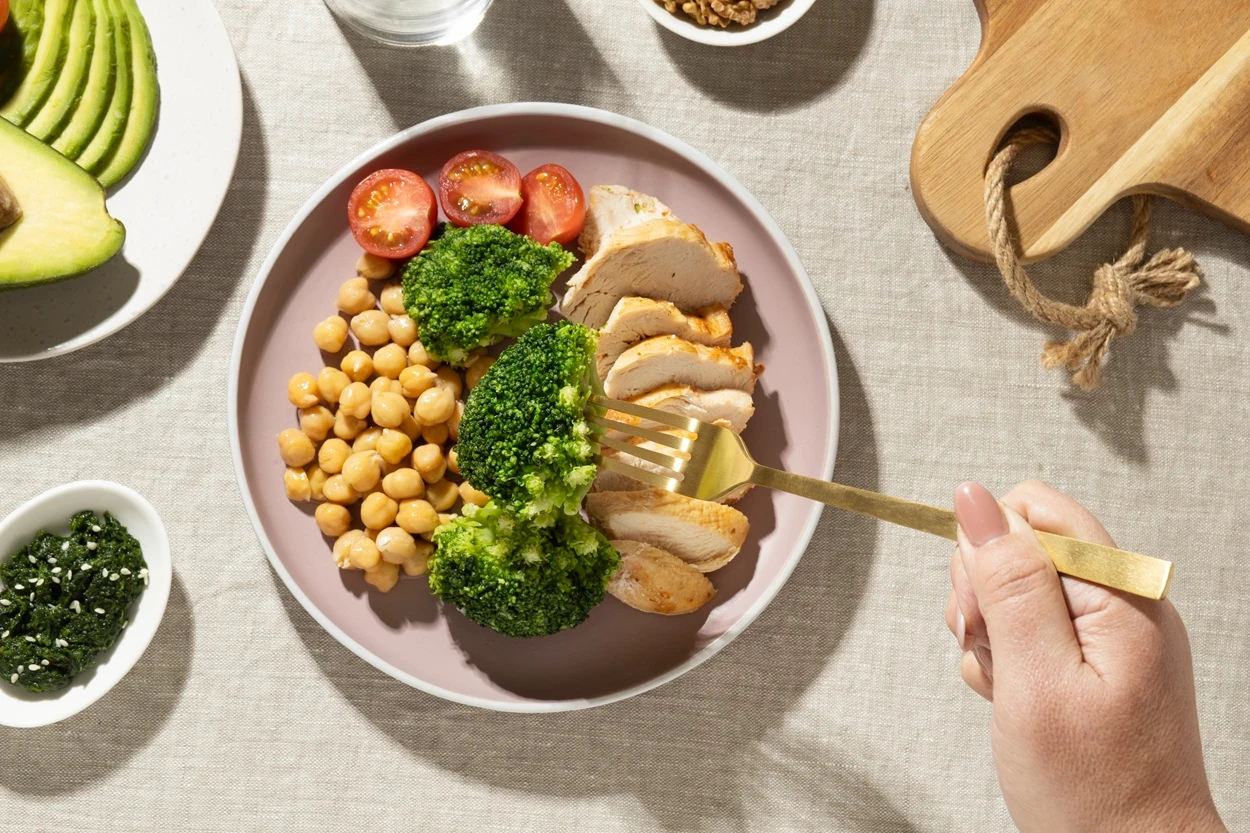


The plant-based movement has taken the fitness world by storm, challenging the age-old belief that animal products are the only way to build muscle and stay strong. More people are discovering that plant protein offers a powerful alternative that supports both personal health and environmental sustainability. This comprehensive guide will explore the compelling benefits of switching to plant protein and provide you with everything you need to know about the best vegan protein sources available. You'll learn how to meet your protein needs effectively, optimize your diet for peak performance, and make informed choices that align with your health goals.
Plant and animal proteins differ in their amino acid profiles, digestibility, and nutritional composition. Animal proteins are considered complete proteins because they contain all nine essential amino acids in optimal ratios. Plant proteins, on the other hand, may be incomplete, lacking one or more essential amino acids. However, this doesn't make them inferior. By combining different plant protein sources throughout the day, you can easily obtain all essential amino acids your body needs.
The digestibility of plant proteins has improved significantly with modern processing techniques. While some plant proteins were historically less digestible than animal proteins, innovations in food science have created highly bioavailable plant-based options that your body can readily absorb and utilize.
Plant protein offers numerous health advantages that extend far beyond basic nutrition. Studies consistently show that people who consume more plant-based proteins have lower risks of developing chronic diseases such as heart disease, type 2 diabetes, and certain cancers. This protective effect comes from the fiber, antioxidants, and phytonutrients naturally found in plant foods.
Your digestive system also benefits from plant protein sources. The fiber content in legumes, grains, and seeds promotes healthy gut bacteria and improves overall digestive function. Many people report feeling lighter and more energetic when they incorporate more plant proteins into their meals.
For those focused on weight management, plant proteins can be particularly beneficial. They tend to be lower in calories and higher in fiber compared to animal proteins, helping you feel satisfied while supporting your fitness goals.
Choosing plant protein significantly reduces your environmental footprint. Plant-based protein production requires substantially less water, land, and energy compared to animal protein production. This efficiency translates to lower greenhouse gas emissions and reduced strain on natural resources.
The water conservation aspect is particularly striking. Producing one gram of plant protein typically requires far less water than producing the same amount of animal protein. This resource efficiency becomes increasingly important as global water scarcity concerns grow.
Many people choose plant protein for ethical reasons related to animal welfare and sustainable food systems. Plant-based diets eliminate concerns about animal treatment while supporting more sustainable agricultural practices that can feed growing populations more efficiently.
Lentils stand out as nutritional champions, providing about 18 grams of protein per cooked cup along with substantial amounts of fiber, folate, and iron. They cook quickly and adapt well to various cuisines, making them perfect for busy lifestyles.
Chickpeas offer versatility and nutrition, delivering approximately 15 grams of protein per cooked cup. They work wonderfully in salads, curries, and even ground into flour for protein-rich baking.
Black beans provide about 15 grams of protein per cooked cup and are rich in antioxidants. Their mild flavor makes them an excellent addition to smoothies, burrito bowls, and soups.
Quinoa deserves its superfood status, offering all nine essential amino acids in a single grain. One cooked cup provides about 8 grams of complete protein, making it an excellent base for meals.
Amaranth contains approximately 9 grams of protein per cooked cup and provides a nutty flavor that works well in both sweet and savory dishes. It's naturally gluten-free and rich in minerals.
Buckwheat, despite its name, is gluten-free and provides about 6 grams of protein per cooked cup. It contains all essential amino acids and offers a hearty, earthy flavor.
Almonds provide about 6 grams of protein per ounce along with healthy fats and Vitamin E. They make excellent snacks and can be ground into flour for baking.
Chia seeds pack an impressive 4 grams of protein per 2 tablespoons, plus omega-3 fatty acids and fiber. They absorb liquid to create pudding-like textures perfect for breakfast bowls.
Hemp seeds offer about 10 grams of protein per 3 tablespoons and contain all essential amino acids. Their mild, nutty flavor complements smoothies and salads beautifully.
Tofu provides about 20 grams of protein per scoop and absorbs flavors wonderfully. Its neutral taste makes it adaptable to countless cooking styles and cuisines.
Tempeh offers approximately 31 grams of protein per cup and brings a nutty, fermented flavor that many people find more appealing than tofu. The fermentation process also adds beneficial probiotics.
Edamame delivers about 17 grams of protein per cup and makes an excellent snack or salad addition. These young soybeans are naturally sweet and satisfying.
Did You Know?
Research shows that individuals following a plant-based diet have a 15% lower risk of developing or dying from cancer compared to those who consume the most animal products.
Successful plant protein integration starts with strategic meal planning. Aim to include a protein source in each meal and snack. Batch cooking legumes and grains on weekends saves time during busy weekdays and ensures you always have protein-rich options available.
Create balanced meals by combining complementary proteins. For example, pair rice with beans, or hummus with whole grain pita. This combination ensures you get all essential amino acids throughout the day.
High-quality plant protein powders can bridge nutritional gaps and provide convenience for active lifestyles. When selecting plant protein supplements, look for options with superior ingredients, highly absorbable formats, and palatable flavors that make daily consumption enjoyable and effective.
Pea protein, rice protein, and hemp protein powders each offer unique benefits. Many blended formulas combine multiple plant proteins to create complete amino acid profiles that support muscle building and recovery.
Keep energy levels stable with protein-rich snacks like roasted chickpeas, trail mix with nuts and seeds, or energy balls made from dates and almond butter. These options provide sustained energy between meals while contributing to your daily protein goals.
Most adults need about 0.8 grams of protein per kilogram of body weight daily. Active individuals may require 1.2 to 2.0 grams per kilogram. Plant-based diets can easily meet these requirements when properly planned with diverse protein sources.
The key lies in eating adequate calories from varied plant foods. When you consume enough calories from nutritious plant sources, protein intake typically takes care of itself.
While individual plant proteins may lack certain amino acids, combining different sources throughout the day provides all essential amino acids. You don't need to combine proteins at every meal - your body pools amino acids over time.
Focus on variety rather than perfection. Eating legumes, grains, nuts, and seeds regularly ensures comprehensive amino acid coverage without complicated meal planning.
Modern food processing and preparation techniques significantly improve plant protein bioavailability. Soaking, sprouting, and fermenting can enhance protein digestibility and nutrient absorption.
Your digestive system adapts to plant-based eating over time, becoming more efficient at extracting nutrients from plant foods. This adaptation process typically occurs within a few weeks of dietary changes.
Many elite athletes thrive on plant-based diets, reporting improved energy levels, faster recovery times, and reduced inflammation. The anti-inflammatory compounds in plant foods may help reduce exercise-induced oxidative stress.
Plant foods provide complex carbohydrates that fuel intense training sessions while delivering steady energy without crashes. This sustained energy release supports both endurance and strength training activities.
For muscle building, distribute protein intake throughout the day, aiming for 20-30 grams per meal. Plant protein powders can help athletes meet higher protein needs conveniently, especially around workout times.
Post-workout nutrition becomes crucial for plant-based athletes. Combining plant proteins with carbohydrates within 30 minutes after exercise optimizes muscle protein synthesis and glycogen replenishment.
The antioxidants naturally present in plant foods support recovery by reducing inflammation and oxidative damage from intense training. This natural recovery support may reduce the need for additional supplements.
Many plant foods also provide nitrates, which can improve blood flow and oxygen delivery to muscles during exercise, potentially enhancing endurance performance.
Yes, you can absolutely get enough protein on a plant-based diet. By consuming a variety of plant protein sources such as legumes, whole grains, nuts, and seeds, you can easily meet your daily protein requirements.
While some plant proteins are incomplete, meaning they lack one or more essential amino acids, combining different plant protein sources throughout the day can provide all the essential amino acids your body needs.
The recommended daily protein intake is about 0.8 grams per kilogram of body weight for most adults. Athletes or those with higher activity levels may require more, ranging from 1.2 to 2.0 grams per kilogram of body weight.
Yes, plant proteins can be beneficial for weight management. They are often lower in calories and higher in fiber compared to animal proteins, which can help you feel fuller for longer and support your wellness goals.
Plant protein can be just as effective as animal protein for building muscle when consumed in adequate amounts and combined with proper resistance training. Many successful athletes follow plant-based diets and achieve impressive results.
Plant proteins offer a wealth of benefits for health, performance, and environmental sustainability. By understanding the various vegan protein sources available and how to incorporate them into your diet, you can successfully embrace a plant-based lifestyle that supports your fitness goals and overall wellbeing. Whether you're an athlete looking to optimize performance or simply seeking to improve your health, plant proteins provide a sustainable and nutritious foundation for your dietary choices. The transition to plant-based eating opens up a world of diverse, flavorful foods that can transform both your health and your relationship with nutrition. Consider exploring high-quality plant protein options that prioritize superior ingredients and optimal absorption to support your wellness journey.


Someone sent you
Error
Powered by ReferRush


