13 Ways to Boost Skin Hydration This Summer
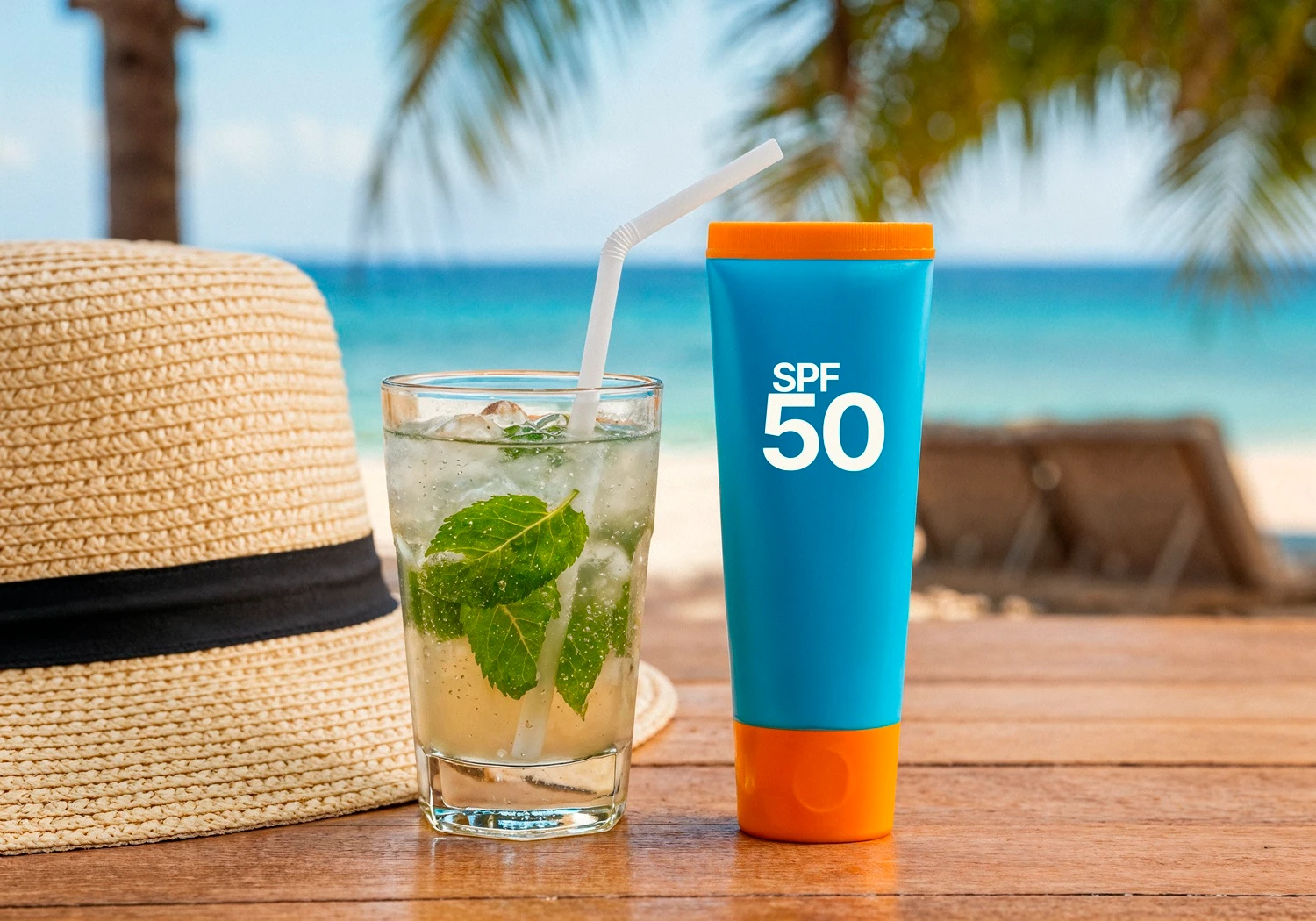


Summer brings longer days, outdoor adventures, and unfortunately, increased challenges for maintaining optimal skin hydration. With temperatures soaring and UV exposure intensifying, your skin faces a perfect storm of dehydrating factors that can leave it looking dull, feeling tight, and aging prematurely. Research shows that most adults experience increased skin dehydration during summer months, yet only a fraction adjust their skincare routine accordingly.
This comprehensive guide reveals 13 scientifically-proven methods to maintain and boost skin hydration throughout the summer season. You'll discover evidence-based summer skincare tips that go beyond basic moisturizing, including advanced hydration techniques, protective strategies, and nutritional approaches that support skin health from within. By implementing these expert-recommended practices, you'll learn how to create a robust defense against summer's dehydrating effects while maintaining a radiant, healthy complexion that thrives in warm weather conditions.
Summer weather creates a complex environment for skin health. High temperatures increase transepidermal water loss, while air conditioning and frequent showering can strip natural oils from your skin's protective barrier. Research shows that water loss increases significantly when ambient temperatures exceed 85°F.
Heavy creams that work perfectly in winter can feel suffocating in summer heat, leading many to skip moisturizing altogether. This creates a cycle of dehydration that compromises skin health and accelerates visible aging signs.
Understanding the distinction between hydration and moisturization is crucial for summer skin health. Hydration refers to water content within skin cells, while moisturization involves creating a barrier to prevent water loss. Effective summer skincare requires both elements working in harmony.
UV radiation, pollution, and heat stress create free radicals that damage collagen and elastin fibers. Studies show that unprotected summer sun exposure can significantly reduce skin's natural collagen production over a single season.
Hyaluronic acid serums can hold up to 1,000 times their weight in water, making them ideal for summer hydration. Apply to damp skin for maximum absorption and follow with a lightweight moisturizer to seal in benefits.
Glycerin, sodium hyaluronate, and beta-glucan draw moisture from the environment into your skin. These ingredients work particularly well in humid summer conditions, optimizing your skin's natural hydration mechanisms.
Thermal water sprays containing minerals like selenium and zinc provide instant hydration while offering antioxidant protection. Keep mists refrigerated for an additional cooling and pore-tightening effect.
Sun protection is fundamental to maintaining skin hydration. UV damage breaks down the skin barrier, increasing water loss and reducing the skin's ability to retain moisture naturally.
Even with sunscreen, limiting direct exposure during peak intensity hours significantly reduces cumulative UV damage and helps preserve your skin's natural hydration systems.
UPF-rated clothing, wide-brimmed hats, and UV-blocking sunglasses create physical barriers that complement chemical sun protection, reducing overall skin stress and dehydration.
Expert Insight Corner: The Hydration-Protection Connection
Many people don't realize that sun damage and dehydration create a vicious cycle. UV exposure breaks down the proteins that help skin retain water, while dehydrated skin becomes more vulnerable to UV damage. Effective summer skincare must address both issues simultaneously.
Foods with high water content like cucumber (96%), watermelon (92%), and leafy greens provide hydration from within while delivering essential vitamins and antioxidants that support skin health.
Marine collagen supplements have shown promise in supporting skin hydration and elasticity. Studies indicate that participants taking collagen for skin showed improvement in skin hydration after consistent use. When choosing supplements, look for those with superior ingredients, highly absorbable formats, palatable flavors to ensure consistent daily intake.
Essential fatty acids from sources like fish oil, flaxseeds, and walnuts help strengthen the skin barrier and reduce inflammation that can compromise hydration levels.
Heavy cream cleansers can feel overwhelming in summer heat. Gel-based formulas effectively remove sunscreen and impurities without stripping natural oils that support hydration.
Apply hydrating products immediately after showering while skin is still damp to lock in moisture. Evening application allows products to work overnight when water loss naturally decreases.
Professional treatments like oxygen facials or hydrating masks can provide deep moisture infusion that at-home products cannot achieve, creating a foundation for better daily hydration.
Treatments like microneedling with hyaluronic acid or professional chemical peels can improve your skin's ability to absorb and retain moisture throughout the summer months.
Monitor your skin's response to heat, humidity, and sun exposure. Signs of dehydration include tightness, dullness, fine lines, and increased sensitivity to products.
Focus on lightweight, multi-functional products that provide hydration, protection, and nourishment without feeling heavy or greasy in summer heat.
Reapply lightweight moisturizer or hydrating mist every 4-6 hours, especially if you're spending time outdoors or in air-conditioned environments. Your skin's needs may increase with heat exposure and activity level.
While proper hydration supports overall skin health, topical products are more effective for direct skin hydration. Drinking water helps maintain baseline hydration, but external factors like sun exposure and heat require targeted skincare approaches.
Summer routines should emphasize lightweight, fast-absorbing products with strong sun protection, while winter routines typically require heavier, more occlusive moisturizers. Summer also requires more frequent reapplication of protective products.
Research suggests that collagen for skin supplements may support hydration and elasticity when taken consistently over 8-12 weeks. However, they work best as part of a comprehensive skincare routine that includes topical protection and hydration.
Look for improved skin texture, reduced tightness, maintained elasticity, and fewer visible signs of dehydration like fine lines or dullness. Your skin should feel comfortable throughout the day without excessive oiliness or dryness.
Maintaining optimal skin hydration during summer requires a multifaceted approach that combines protective measures, targeted skincare products, and supportive lifestyle choices. The 13 strategies outlined in this guide provide a comprehensive framework for preserving your skin's health and radiance throughout the warmest months of the year.
From understanding the science behind summer skin challenges to implementing advanced hydration techniques and nutritional support, these evidence-based summer skincare tips empower you to take control of your skin's health regardless of environmental stressors. By incorporating these practices into your daily routine and adjusting them based on your skin's unique needs, you can maintain a healthy, hydrated complexion that glows with vitality all season long. Explore our range of scientifically-formulated skincare solutions designed to support your skin's natural hydration mechanisms and discover how the right products can transform your summer skincare experience.


Someone sent you
Error
Powered by ReferRush


