How to Maximize Pea Protein Benefits in Your Diet


The plant-based nutrition revolution is transforming how we think about protein. While traditional protein sources dominated our plates for decades, vegan protein alternatives are now stealing the spotlight. Among these game-changers, pea protein stands out as a nutritional powerhouse that supports not just muscle health, but also contributes to radiant skin and overall wellness. This guide will show you exactly how to incorporate and maximize pea protein benefits in your daily diet, turning this humble legume into your secret weapon for health and beauty.
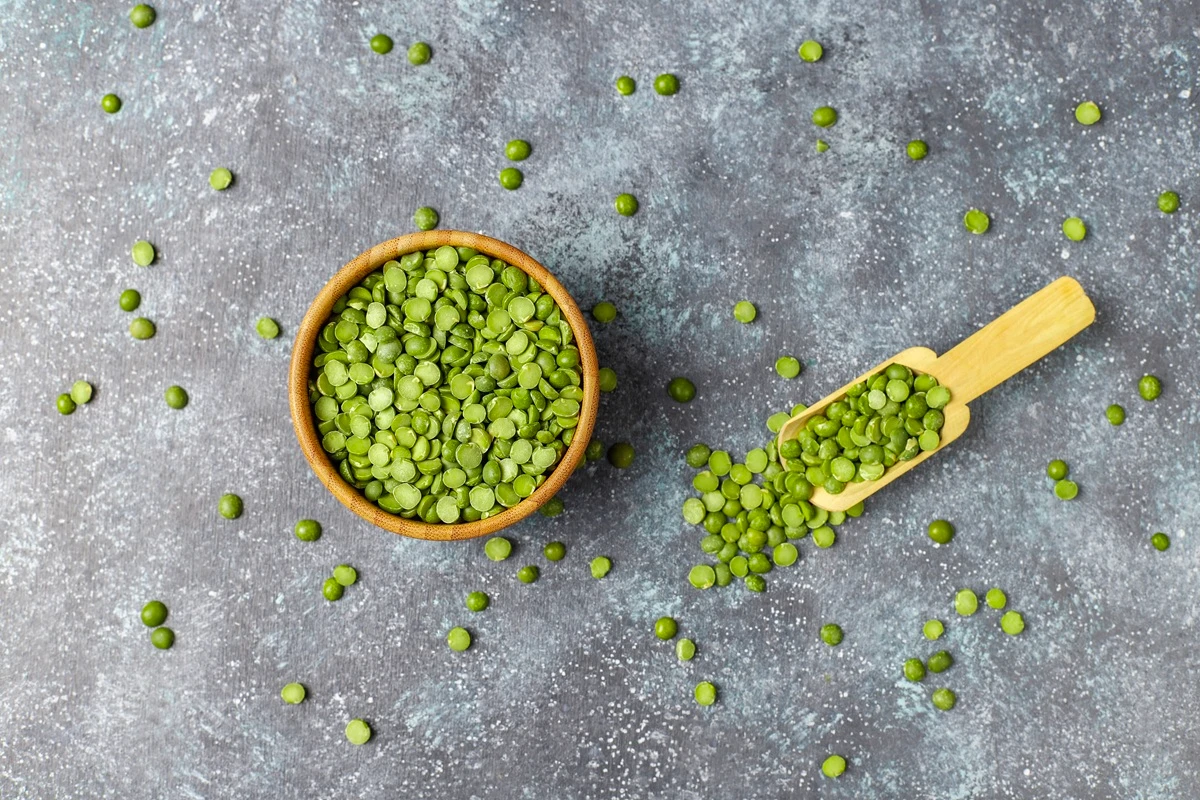
Pea protein comes from yellow split peas, the same legumes you might remember from your childhood meals. Through a gentle extraction process, manufacturers isolate the protein from these peas, creating a fine powder that packs a serious nutritional punch. Unlike many plant-based protein sources, pea protein offers an impressive amino acid profile that rivals traditional animal proteins.
A single serving of pea protein typically delivers 20-25 grams of protein with minimal carbohydrates and fats. It's naturally rich in branched-chain amino acids, particularly lysine, which plays a crucial role in collagen synthesis. This makes pea protein an excellent choice for those looking to support both muscle health and skin vitality. The protein also contains iron, making it particularly beneficial for individuals following plant-based diets.
When compared to other plant-based protein sources, pea protein holds its own remarkably well. Unlike soy protein, it's naturally free from common allergens. Rice protein, while gentle on digestion, lacks some essential amino acids that pea protein provides in abundance. Hemp protein offers healthy fats but delivers less protein per serving. Pea protein strikes an ideal balance, offering complete nutrition without common digestive concerns.
The connection between pea protein and skin health goes beyond basic nutrition. This vegan protein contains high levels of lysine and proline, amino acids essential for collagen production. Regular consumption can support skin elasticity and hydration from within. The antioxidant properties found in pea protein also help protect skin cells from environmental damage, contributing to a healthy, glowing complexion.
Pea protein powder offers incredible versatility in the kitchen. Start your morning with a protein-packed smoothie by blending one scoop with your favorite fruits and plant milk. For those who prefer savory options, mix pea protein into pancake batter, energy balls, or homemade protein bars. The key is finding products with superior ingredients, highly absorbable formats, palatable flavors that make incorporation effortless and enjoyable.
While powder is convenient, whole food sources provide additional nutrients and fiber. Fresh or dried split peas can be added to soups, stews, and curries. Snap peas and sugar snap peas make excellent snacks or stir-fry additions. Even humble green peas, whether fresh or frozen, contribute valuable protein to salads, pasta dishes, and grain bowls.
Creating protein synergy enhances the overall amino acid profile of your meals. Pair pea protein with quinoa, hemp seeds, or nuts to ensure you're getting all essential amino acids. This combination approach maximizes protein utilization and supports optimal muscle recovery and growth.
Timing your pea protein intake can significantly impact its effectiveness. Post-workout consumption within 30 minutes helps maximize muscle recovery and growth. For skin health benefits, consistent daily intake matters more than specific timing. Morning consumption can help stabilize blood sugar and provide sustained energy throughout the day.
Most adults benefit from 20-30 grams of pea protein per serving, which typically equals one scoop of high-quality powder. Start with smaller amounts if you're new to plant-based proteins, gradually increasing to allow your digestive system to adapt. Listen to your body and adjust accordingly, as individual protein needs vary based on activity level and body composition.
Did You Know? Pea Protein's Skin-Boosting Secret
Pea protein contains lysine, an amino acid that plays a crucial role in collagen production, making it an excellent addition to your diet for promoting skin health and beauty.
Combining pea protein with antioxidant-rich proteins creates a powerful nutritional synergy. Add berries, dark leafy greens, or cacao to your pea protein smoothies. These antioxidant powerhouses work alongside the protein to fight inflammation and support cellular repair, amplifying both health and beauty benefits.
While pea protein provides building blocks for collagen, pairing it with collagen-boosting foods maximizes skin benefits. Vitamin C-rich foods like citrus fruits, bell peppers, and strawberries enhance collagen synthesis. Adding zinc-rich pumpkin seeds or copper-containing dark chocolate creates a comprehensive approach to skin health support.
Transform your meals into antioxidant powerhouses by thoughtfully combining ingredients. A pea protein smoothie bowl topped with goji berries, pomegranate seeds, and nuts delivers both protein and protective compounds. Savory options include pea protein-enhanced lentil soups with turmeric and vegetables, creating meals that nourish both body and skin.
Skin health requires more than just protein. Ensure adequate healthy fats from sources like avocados, nuts, and seeds to support nutrient absorption. Include plenty of water and hydrating foods to maintain skin moisture. B-vitamins, particularly biotin and niacin, work synergistically with protein to support skin cell renewal and repair.
Some people find pea proteins' natural taste earthy or chalky. Combat this by choosing flavored varieties or adding strong-tasting ingredients like cocoa, vanilla, or fruit to your recipes. Blending thoroughly helps achieve smoother textures, while adding liquid gradually prevents clumping. Experiment with different brands to find one that suits your taste preferences.
Like any protein source, pea protein may cause digestive discomfort in some individuals, particularly when first introduced. Start with smaller servings and gradually increase intake. Ensure adequate water consumption and consider taking it with meals to ease digestion. If issues persist, consult with a healthcare provider to rule out underlying sensitivities.
Maximize pea protein absorption by consuming it with digestive enzymes naturally found in pineapple or papaya. Avoid taking it with high-fiber meals that might interfere with absorption. Space protein intake throughout the day rather than consuming large amounts at once, allowing your body to utilize the amino acids more effectively.
The pea protein industry continues evolving with innovative products emerging regularly. From ready-to-drink beverages to protein-enriched snacks, manufacturers are creating convenient options for busy lifestyles. New processing techniques are improving taste and texture, making pea protein more appealing to mainstream consumers.
Pea protein production requires significantly less water and generates fewer greenhouse gases compared to animal protein sources. Peas also naturally fix nitrogen in soil, reducing the need for synthetic fertilizers. This environmental advantage aligns perfectly with the growing consumer demand for sustainable nutrition choices.
Beyond dietary applications, researchers are exploring pea protein's potential in topical skincare products. Its amino acid profile could support external skin health when applied directly. This represents an exciting frontier where nutrition and cosmetics converge, offering comprehensive approaches to beauty and wellness.
Pea protein is nearly complete, containing all nine essential amino acids. However, it's slightly low in methionine. Combining it with other plant-based protein sources ensures a complete amino acid profile.
Yes, pea protein can aid in weight management. It's low in calories but high in protein, which can help increase feelings of fullness and reduce overall calorie intake.
Studies have shown that pea protein can be as effective as whey protein for muscle growth and recovery when consumed in equivalent amounts.
While generally safe, some people may experience digestive discomfort when first introducing pea protein. Start with small amounts and gradually increase to allow your body to adjust.
Yes, pea protein can be beneficial for skin health. It contains amino acids that support collagen production and antioxidants that help protect the skin from damage.
Maximizing pea protein benefits in your diet requires understanding both its nutritional power and practical applications. From supporting muscle health to promoting radiant skin through collagen synthesis, this vegan protein offers comprehensive wellness benefits. The key lies in consistent incorporation, proper timing, and thoughtful pairing with complementary nutrients. Whether you choose powder forms or whole food sources, pea protein can become a cornerstone of your health and beauty routine. As you embark on this nutritional journey, consider exploring quality supplements and nutrition products that align with your wellness goals and support your commitment to natural, plant-based health solutions.


Someone sent you
Error
Powered by ReferRush


