How to Stay Hydrated and Healthy During a Heatwave?
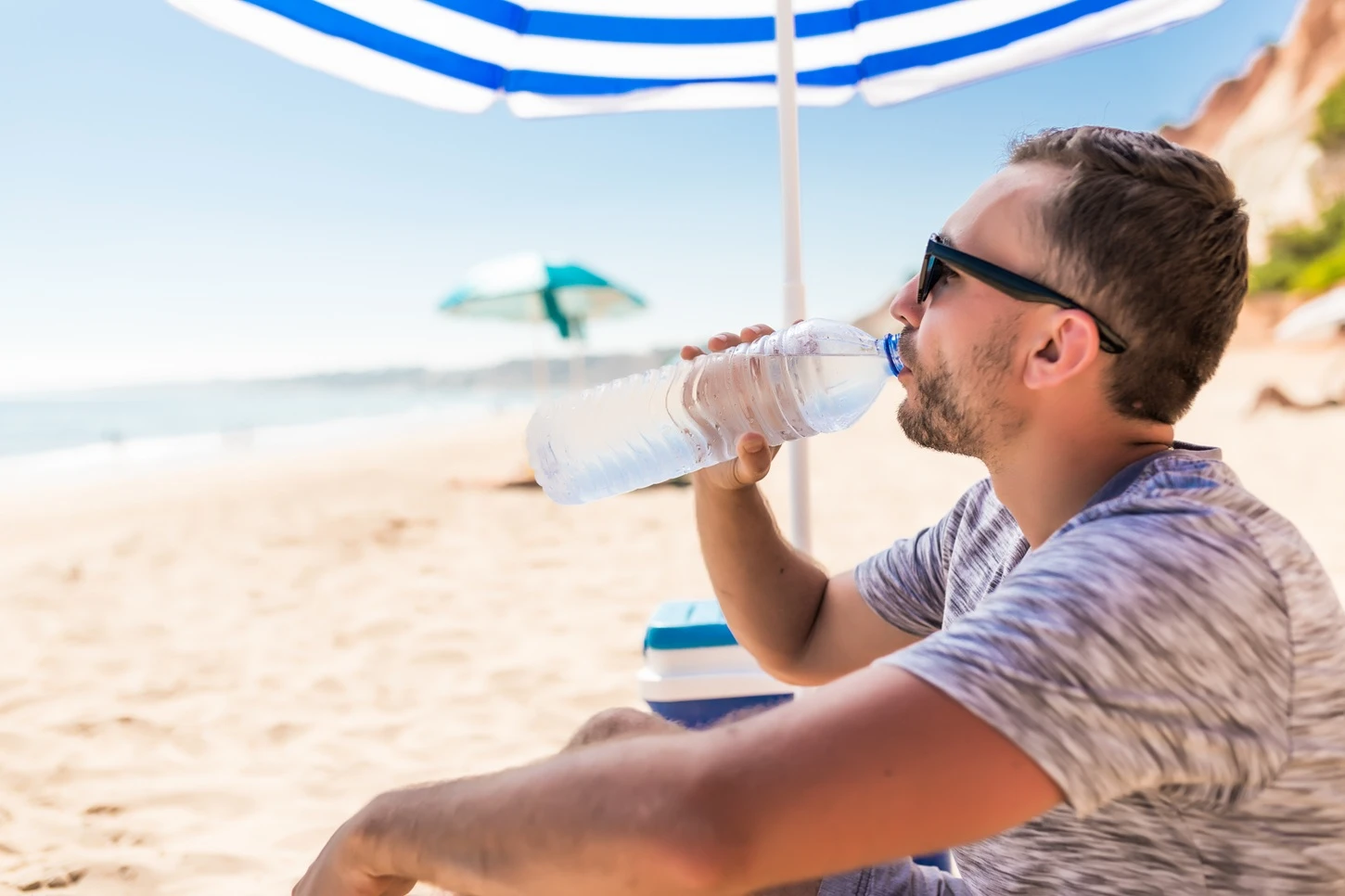


As global temperatures continue to rise and extreme weather events become more frequent, heatwaves are no longer just summer inconveniences—they're serious health challenges that require strategic preparation. With climate data showing increasing frequency of extreme heat events, understanding how to protect your body during these periods has never been more critical. This comprehensive guide will equip you with science-backed strategies to maintain optimal hydration, protect your skin from UV damage, and recognize early warning signs of heat-related health issues. You'll discover evidence-based techniques for staying cool, learn about the latest research in summer skincare, and master the art of heatwave preparedness that goes far beyond simply drinking more water.
Understanding your body's physiological response to extreme temperatures forms the foundation of effective heatwave protection. When ambient temperatures exceed 95°F (35°C), your body initiates complex cooling mechanisms that can quickly deplete essential resources. Your heart rate increases to pump more blood to your skin's surface, while sweat glands work overtime to cool you through evaporation. This process can strain your cardiovascular system and rapidly deplete water and electrolytes from your body.
Recognizing the subtle indicators of heat stress before they escalate into serious health concerns can be life-saving during a heatwave. Initial symptoms include increased thirst, mild headache, and feeling unusually tired. As heat stress progresses, you might notice reduced urination, muscle cramps, and difficulty concentrating. These early signals indicate your body's cooling systems are becoming overwhelmed and require immediate attention.
The relationship between elevated temperatures and fluid loss involves multiple biological processes that many people underestimate, leading to rapid onset dehydration. During extreme heat, your body can lose up to 2-3 liters of fluid per hour through sweating. This accelerated fluid loss disrupts your body's electrolyte balance, affecting everything from muscle function to cognitive performance. The combination of increased fluid needs and reduced appetite for drinking during hot weather creates a dangerous cycle.
Post-menopausal women face unique challenges during heatwaves, with PMOS symptoms often intensifying due to hormonal fluctuations and reduced thermoregulation capacity. Hot flashes can become more frequent and severe during extreme heat, while reduced estrogen levels affect the body's ability to regulate temperature effectively. Sleep disruption common in PMOS can worsen during heatwaves, creating additional stress on the body's cooling systems.
Advanced dehydration detection goes beyond feeling thirsty—learn the clinical markers that indicate your body needs immediate attention. Check your urine color regularly; it should remain pale yellow. Dark yellow or amber-colored urine signals significant dehydration. Other warning signs include dry mouth, decreased skin elasticity when pinched, and feeling dizzy when standing up quickly.
Establishing clear criteria for emergency intervention can prevent heat exhaustion from progressing to life-threatening heat stroke. Seek immediate medical help if you experience confusion, nausea with vomiting, rapid heartbeat, or if your body temperature exceeds 103°F (39.4°C). High fever combined with hot, dry skin indicates heat stroke—a medical emergency requiring immediate professional treatment.
Effective hydration during extreme heat requires understanding electrolyte balance, fluid absorption rates, and timing strategies that maximize your body's cooling efficiency. Your body absorbs fluids most effectively when they contain small amounts of sodium and glucose, which help transport water into your cells. Drinking 16-24 ounces of fluid per hour during extreme heat provides optimal replacement without overwhelming your kidneys.
Expert Insight Corner: The 80/20 Hydration Rule
Recent research from the American College of Sports Medicine reveals that optimal heatwave hydration follows an 80/20 principle: 80% of your fluid intake should occur before you feel thirsty, with 20% reserved for active replacement during heat exposure. This proactive approach maintains cellular hydration levels that reactive drinking cannot achieve.
Incorporating water-rich foods with high electrolyte content provides sustained hydration that surpasses plain water consumption. Watermelon contains 92% water plus natural electrolytes and cooling properties. Cucumber provides hydration with minimal calories, while coconut water offers natural potassium for electrolyte balance. Yogurt combines hydration with beneficial probiotics that support digestive health during heat stress.
Certain beverages can accelerate fluid loss during hot weather, creating a dangerous cycle of increased thirst and reduced hydration efficiency. Alcohol acts as a diuretic, increasing urine production and depleting your body's water reserves. Caffeinated drinks in large quantities can also promote fluid loss, though moderate amounts may be acceptable. Sugary drinks require extra water for digestion and can worsen dehydration.
The correlation between extreme temperatures and increased ultraviolet radiation creates compounded skin damage risks that require specialized protection strategies. High-pressure weather systems that create heatwaves often bring clear skies with minimal cloud cover, allowing more UV rays to reach your skin. Reflected heat from pavement and buildings can increase UV exposure by up to 15%, creating additional skin damage risks.
Developing a comprehensive summer skincare routine involves understanding how heat affects product absorption, ingredient stability, and skin barrier function. Apply broad-spectrum sunscreen with at least SPF 30 every two hours, even when indoors near windows. Heat can break down certain skincare ingredients, so store products in cool, dark places. Your skin loses moisture faster in extreme heat, requiring more frequent application of hydrating products.
Heat-induced skin damage extends beyond sunburn, encompassing cellular changes that can accelerate aging and increase skin cancer risk. Prolonged heat exposure can break down collagen and elastin, leading to premature wrinkles and age spots. Antioxidant-rich skincare products containing Vitamin C and E can help neutralize free radicals created by heat and UV exposure. Consistent protection during heatwaves prevents cumulative damage that becomes visible years later.
Certain nutrients and food combinations can enhance your body's natural cooling mechanisms while supporting optimal hydration status. Foods rich in potassium like bananas and avocados help maintain fluid balance. Leafy greens provide magnesium, which supports muscle function during heat stress. When considering nutritional support during extreme weather, look for supplements with superior ingredients, highly absorbable formats, and palatable flavors to ensure consistent intake even when appetite decreases.
Understanding how heat affects digestive processes helps optimize meal planning for sustained energy without overheating your system. Large meals require significant energy for digestion, which generates internal heat. Eat smaller, more frequent meals during heatwaves to reduce digestive burden. Choose easily digestible foods like fruits, vegetables, and lean proteins that provide nutrition without taxing your system.
Research-backed supplementation strategies, including specific vitamins and minerals, can improve your body's adaptation to extreme temperatures. Vitamin C supports immune function, which can be compromised during heat stress. B-vitamins help convert food into energy efficiently, reducing metabolic heat production. Electrolyte supplements containing sodium, potassium, and magnesium help maintain proper fluid balance when sweating increases.
The general recommendation increases to 16-24 ounces of fluid per hour during extreme heat, but individual needs vary based on body weight, activity level, and sweat rate. Monitor your urine color—it should remain pale yellow throughout the day.
Yes, drinking plain water without replacing electrolytes can lead to hyponatremia, a dangerous condition where sodium levels become too diluted. Include electrolyte-rich foods or beverages in your hydration strategy.
Heat index values above 105°F (40.5°C) pose extreme danger for heat-related illness, while temperatures above 90°F (32°C) with high humidity require increased caution and modified activities.
Sunscreen can lose effectiveness when exposed to high temperatures above 77°F (25°C) for extended periods. Store products in cool locations and replace any sunscreen that has changed consistency, color, or smell.
Early indicators include excessive sweating followed by reduced sweating, rapid heartbeat, dizziness, nausea, and confusion. These symptoms require immediate cooling measures and medical attention if they don't improve quickly.
Surviving and thriving during a heatwave requires a comprehensive approach that goes far beyond basic hydration advice. By understanding your body's heat response mechanisms, implementing strategic cooling techniques, and maintaining vigilant awareness of warning signs, you can protect both your immediate health and long-term wellness during extreme temperature events.
The science-backed strategies outlined in this guide provide a foundation for safe heatwave navigation, from advanced hydration protocols to specialized skincare protection. Remember that preparation is your most powerful tool—developing your personal heatwave action plan before extreme temperatures arrive ensures you're equipped to handle whatever the climate brings. For additional resources on maintaining optimal health during challenging environmental conditions, explore comprehensive wellness guides and expert-backed health strategies designed to support your year-round vitality.


Someone sent you
Error
Powered by ReferRush


