How to Stop Nail Breakage and Restore Nail Health?
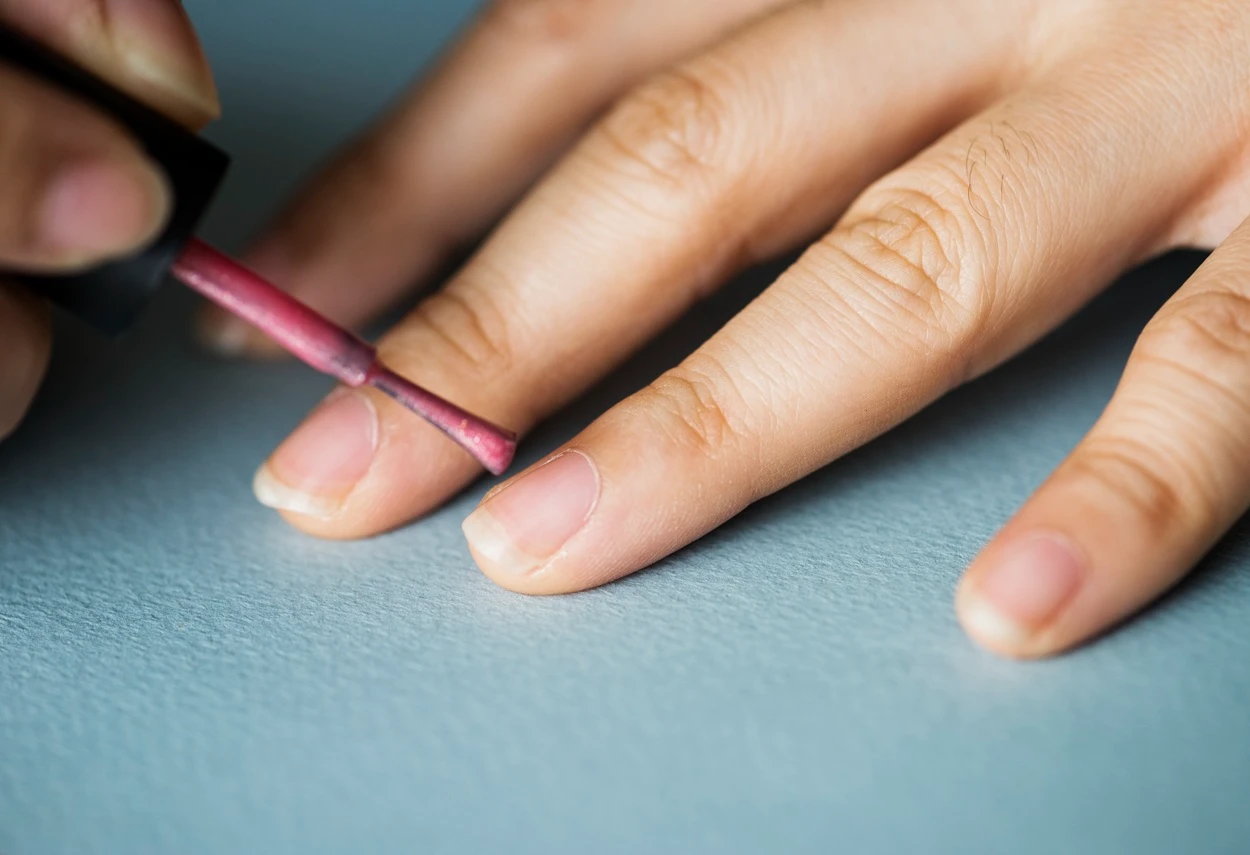


Nail brittleness affects approximately 20% of the global population, with women experiencing this condition at twice the rate of men according to dermatological studies. Whether you're dealing with nails that split at the slightest touch, peel in layers, or break before reaching your desired length, understanding the science behind nail health is crucial for achieving lasting results. This comprehensive guide will explore evidence-based strategies to combat brittle nails, restore structural integrity, and maintain optimal nail health through targeted interventions and lifestyle modifications.
The nail plate consists of approximately 80-90 layers of keratin cells held together by lipids and proteins. When these binding agents become compromised, nail brittleness occurs. Three primary mechanisms drive this condition: dehydration of the nail matrix, disruption of intercellular lipid barriers, and degradation of keratin cross-links.
External aggressors including UV radiation, chemical exposure, and temperature fluctuations can alter nail composition. Prolonged exposure to cleaning agents reduces nail flexibility significantly within weeks. Your daily environment plays a bigger role in nail health than you might realize.
Hormonal fluctuations, particularly during menopause, can decrease nail thickness substantially. Estrogen decline directly impacts collagen synthesis in the nail bed, leading to increased fragility and slower growth rates. Understanding these changes helps you adapt your nail care routine accordingly.
Healthy nails exhibit a smooth surface with consistent coloration and minimal ridging. Warning signs include horizontal or vertical ridges, white spots, yellowing, and surface irregularities that indicate underlying structural damage. These visual cues often appear before you notice physical weakness.
Beyond visual cues, damaged nails often exhibit increased sensitivity, pain around the cuticle area, and tendency to catch on fabrics. These symptoms typically precede visible breakage by 2-3 weeks, giving you time to intervene before major damage occurs.
Persistent nail brittleness may signal nutritional deficiencies, thyroid disorders, or autoimmune conditions. A significant percentage of chronic nail brittleness cases are associated with systemic health issues requiring medical evaluation. Don't ignore persistent problems that don't respond to topical treatments.
Clinical trials demonstrate that biotin supplementation increases nail thickness substantially within months. Vitamin B12 and folate support cellular regeneration in the nail matrix, while Vitamin B6 aids protein synthesis essential for keratin formation. These nutrients work together to build stronger nail structure from within.
Nails are composed of 95% protein, primarily keratin. The recommended daily protein intake for nail health is 0.8-1.2 grams per kilogram of body weight, with emphasis on complete proteins containing all essential amino acids. Without adequate protein, your nails simply cannot maintain their strength.
Iron deficiency affects a significant portion of women with chronic nail brittleness. Zinc supports protein synthesis and wound healing, while selenium provides antioxidant protection. When choosing supplements, superior ingredients, highly absorbable formats, palatable flavors make a significant difference in achieving optimal nutrient levels for nail health.
Expert Insight: "The key to reversing nail brittleness lies in understanding that nails require both internal nutrition and external protection. Consistent care addressing both aspects yields the most dramatic and lasting improvements in nail strength and appearance."
Begin each day with cuticle oil application and broad-spectrum nail protection. UV-protective base coats prevent photodamage, while moisturizing formulas maintain optimal hydration levels throughout the day. This simple routine takes minutes but provides hours of protection.
Nighttime care focuses on deep conditioning and repair. Apply intensive nail treatments containing ceramides, peptides, or natural oils. Overnight treatments can enhance product penetration and effectiveness while you sleep.
Implement weekly nail masks, gentle buffing to remove surface irregularities, and cuticle maintenance. These intensive sessions support ongoing nail health while addressing accumulated damage from daily activities.
Adequate hydration maintains nail flexibility and prevents cracking. The recommended daily water intake of 8-10 glasses directly correlates with improved nail condition within weeks of consistent implementation. Dry nails often reflect overall dehydration.
Quality sleep supports cellular regeneration in nail tissues. Chronic stress elevates cortisol levels, which can impair nail growth and increase brittleness. Stress reduction techniques show measurable improvements in nail health over time.
Regular cardiovascular exercise improves circulation to extremities, enhancing nutrient delivery to nail beds. Resistance training supports overall protein synthesis, benefiting nail structure and growth rate. Active lifestyles support healthier nails naturally.
Nail biting, picking at cuticles, and using nails as tools cause mechanical damage that compounds brittleness. Breaking these habits is essential for nail recovery and long-term health maintenance. Small changes in daily habits make big differences.
Overuse of strengthening products can create brittleness through excessive hardening. Improper removal of nail products, aggressive filing, and skipping base coats contribute to ongoing damage. Less aggressive care often yields better results.
Prolonged water exposure, harsh cleaning chemicals, and extreme temperatures compromise nail integrity. Protective measures including gloves and barrier products prevent environmental damage accumulation. Prevention is always easier than repair.
Most people notice initial improvements in nail flexibility and reduced breakage within 4-6 weeks of consistent care. Complete nail regeneration and full strength restoration typically requires 3-6 months for fingernails and up to 18 months for toenails.
While genetic predisposition to nail brittleness cannot be changed, the condition can be effectively managed through proper care, nutrition, and lifestyle modifications. Consistent maintenance prevents recurrence and maintains optimal nail health long-term.
Professional treatments can accelerate improvement and provide specialized care for severe cases. However, consistent at-home care with quality products often achieves similar results at lower cost. The key is consistency rather than product price point.
Focus on protein-rich foods like lean meats, fish, eggs, and legumes. Include biotin sources such as nuts, seeds, and leafy greens. Iron-rich foods like spinach and lean red meat support nail health, while foods high in Vitamin C aid collagen production.
Yes, nail brittleness naturally increases with age due to decreased oil production, slower cell turnover, and hormonal changes. However, proper care can significantly minimize age-related nail deterioration and maintain strength and flexibility.
Addressing nail brittleness requires a comprehensive approach combining internal nutrition, external protection, and consistent care practices. The science clearly demonstrates that damaged nails can be restored through evidence-based interventions targeting the root causes of brittleness. By implementing the strategies outlined in this guide—from optimizing nutrient intake to establishing protective daily routines—you can achieve stronger, healthier nails that resist breakage and maintain their integrity over time. Remember that nail recovery is a gradual process requiring patience and consistency, but the results are both achievable and sustainable with proper commitment to nail health principles. For comprehensive nutritional support that addresses nail health from within, explore Wellbeing Nutrition's range of scientifically formulated supplements designed to support your overall wellness journey.


Someone sent you
Error
Powered by ReferRush


