Vitamin B12 Sources for Vegetarians: A Complete Tutorial


Vitamin B12 deficiency affects nearly 80% of vegetarians worldwide, making it one of the most critical nutritional concerns for plant-based eaters. This essential vitamin plays a vital role in nerve function, red blood cell formation, and DNA synthesis. For vegetarians, finding reliable vitamin B12 sources requires strategic planning and knowledge of the best food options available.
This comprehensive tutorial will guide you through the most effective vitamin B12 sources for vegetarians, from natural food options to fortified alternatives and supplements. You'll learn how to prevent vegetarian B12 deficiency, optimize absorption, and support your overall health including skin vitality through proper B12 nutrition.
Vegetarian diets naturally contain lower levels of Vitamin B12 compared to omnivorous diets. This occurs because B12 is primarily found in animal products, leaving vegetarians with limited natural sources. The human body cannot produce Vitamin B12 on its own, making dietary intake essential.
Vegetarian B12 deficiency develops gradually over months or years. Early symptoms include fatigue, weakness, and pale skin. Advanced deficiency can lead to neurological problems, memory issues, and mood changes. The recommended daily intake varies by age: adults need 2.4 micrograms daily, while pregnant women require 2.6 micrograms.
Several factors affect B12 absorption in the body. Age reduces absorption efficiency, as does certain medications and digestive conditions. Vegetarians often have lower stomach acid levels, which can further impact B12 utilization. Understanding these factors helps optimize your vegetarian diet B12 strategy.
Did You Know?
Vitamin B12 plays a crucial role in skin health by supporting cell regeneration and collagen production. Adequate B12 levels help maintain healthy, glowing skin and can reduce signs of premature aging.
Dairy products represent the most reliable natural vitamin B12 vegetarian sources. Milk provides approximately 1.2 micrograms per cup, meeting half your daily B12 needs. Swiss cheese contains the highest B12 content among cheeses, offering 0.9 micrograms per ounce.
Yogurt delivers 1.2 micrograms per 8-ounce serving, making it an excellent breakfast or snack option. Traditional Indian dairy products like paneer and curd also provide substantial B12 amounts. These fermented dairy options may offer enhanced absorption due to beneficial bacteria.
To maximize B12 intake from dairy, choose low-fat varieties which often contain higher B12 concentrations. Organic dairy products may provide additional nutritional benefits, though B12 content remains consistent across conventional and organic options.
Eggs serve as excellent B12 rich foods vegetarian diets can include. The B12 content concentrates in egg yolks, with two large eggs providing approximately 1.6 micrograms. This represents about 70% of your daily B12 requirement.
Preparation methods significantly impact B12 retention. Gentle cooking methods like poaching or soft-boiling preserve more B12 than high-heat scrambling. Raw or lightly cooked eggs provide maximum B12 availability, though proper food safety practices remain important.
Nori, the seaweed used in sushi, contains the most reliable B12 among marine vegetables. Four grams of dried nori provide approximately 2.4 micrograms of B12. However, bioavailability varies significantly among different seaweed types.
Other seaweeds like wakame and kombu contain B12, but in forms that may not be readily absorbed by humans. Research suggests that nori provides the most bioavailable B12 among vegetarian seaweed options.
Fortified nutritional yeast stands out among vegetarian B12 alternatives, providing 4.8 micrograms per tablespoon. This deactivated yeast offers a nutty, cheese-like flavor that enhances many vegetarian dishes. Always verify that your nutritional yeast is fortified with B12, as unfortified versions contain minimal amounts.
Nutritional yeast works well sprinkled on pasta, salads, or popcorn. It can also be blended into smoothies or used as a seasoning for roasted vegetables. Store nutritional yeast in a cool, dry place to maintain B12 potency.
Many breakfast cereals are fortified with B12, providing 25-100% of daily requirements per serving. Reading nutrition labels carefully helps identify the best options. Look for cereals that list cyanocobalamin or methylcobalamin in the ingredient list.
Combining fortified cereals with B12-rich milk creates a powerful breakfast combination. This pairing can provide your entire daily B12 requirement in a single meal. Choose whole grain options for additional nutritional benefits.
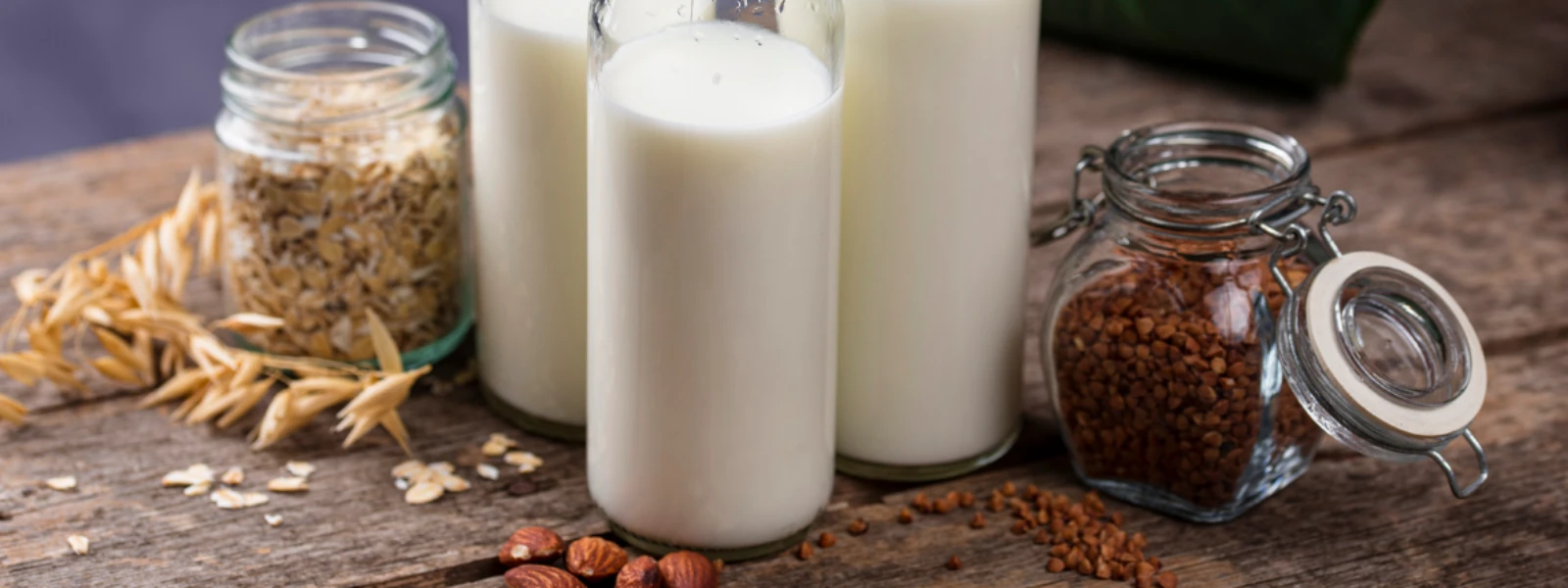
Soy milk, almond milk, and oat milk often contain added B12. Content varies by brand, ranging from 0.5 to 3 micrograms per cup. These sources of B12 for vegetarians work particularly well for those avoiding dairy products.
Shake fortified plant milks well before use, as nutrients can settle. Store opened containers in the refrigerator and use within the recommended timeframe to maintain B12 potency.
B12 supplements vegetarian diets often require become necessary when food sources alone cannot meet daily needs. Two main forms exist: cyanocobalamin and methylcobalamin. Cyanocobalamin is more stable and widely available, while methylcobalamin may be better absorbed by some individuals.
Dosage recommendations vary based on individual needs and current B12 status. Most vegetarians benefit from 250-1000 micrograms daily. Higher doses may be necessary for those with existing deficiency or absorption issues.
Take B12 supplements with food to enhance absorption. The body absorbs B12 better when consumed with other nutrients. Avoid taking supplements with coffee or tea, as these beverages can interfere with absorption.
Quality markers include third-party testing, proper storage conditions, and clear labeling of B12 content. Choose supplements from reputable manufacturers that follow good manufacturing practices.
Certain foods enhance B12 absorption when consumed together. Spinach, lentils, and beetroot contain folate, which works synergistically with B12. This combination supports optimal utilization and provides additional benefits for skin health.
B12 for skin health works through several mechanisms. This vitamin supports cell division and renewal, helping maintain healthy skin texture. Adequate B12 levels also support collagen synthesis, which keeps skin firm and youthful-looking.
Meal planning for optimal B12 utilization involves spreading intake throughout the day. The body absorbs B12 more efficiently in smaller, frequent doses rather than large single amounts. Include B12 sources in multiple meals for best results.
Avoid consuming B12 sources with alcohol, as it interferes with absorption. Similarly, excessive fiber intake at the same time can reduce B12 uptake. Space high-fiber foods and B12 sources by at least two hours when possible.
Dairy products like milk, cheese, and yogurt provide the highest natural B12 content for vegetarians. Fortified nutritional yeast offers the most concentrated source, with 4.8 micrograms per tablespoon. Eggs and nori seaweed also provide significant amounts.
Vegetarians can prevent deficiency by consuming B12-rich foods daily, including dairy products, eggs, and fortified foods. Regular blood testing helps monitor B12 levels. Many vegetarians benefit from B12 supplements to ensure adequate intake.
Most vegetarians benefit from B12 supplements, especially those who consume limited dairy or eggs. Food sources alone may not provide sufficient B12 for optimal health. Supplements offer a reliable way to meet daily requirements and prevent deficiency.
Adult vegetarians need 2.4 micrograms of B12 daily, the same as omnivores. Pregnant and breastfeeding women require slightly more. Some experts recommend higher intakes for vegetarians due to potentially lower absorption rates from plant-based sources.
Getting adequate B12 from vegetarian foods alone is challenging but possible with careful planning. This requires regular consumption of dairy products, eggs, and fortified foods. Many nutrition experts recommend supplements as a safety measure for vegetarians.
Maintaining adequate Vitamin B12 levels on a vegetarian diet requires knowledge, planning, and consistent effort. The best approach combines natural food sources like dairy products and eggs with fortified foods and supplements when necessary. Regular monitoring through blood tests helps ensure your strategy effectively prevents deficiency and supports overall health, including skin vitality. By incorporating these vitamin B12 sources for vegetarians into your daily routine, you can enjoy the benefits of plant-based eating while maintaining optimal nutritional status.


Someone sent you
Error
Powered by ReferRush


