Why Your Hair Growth Needs Vitamin Support?
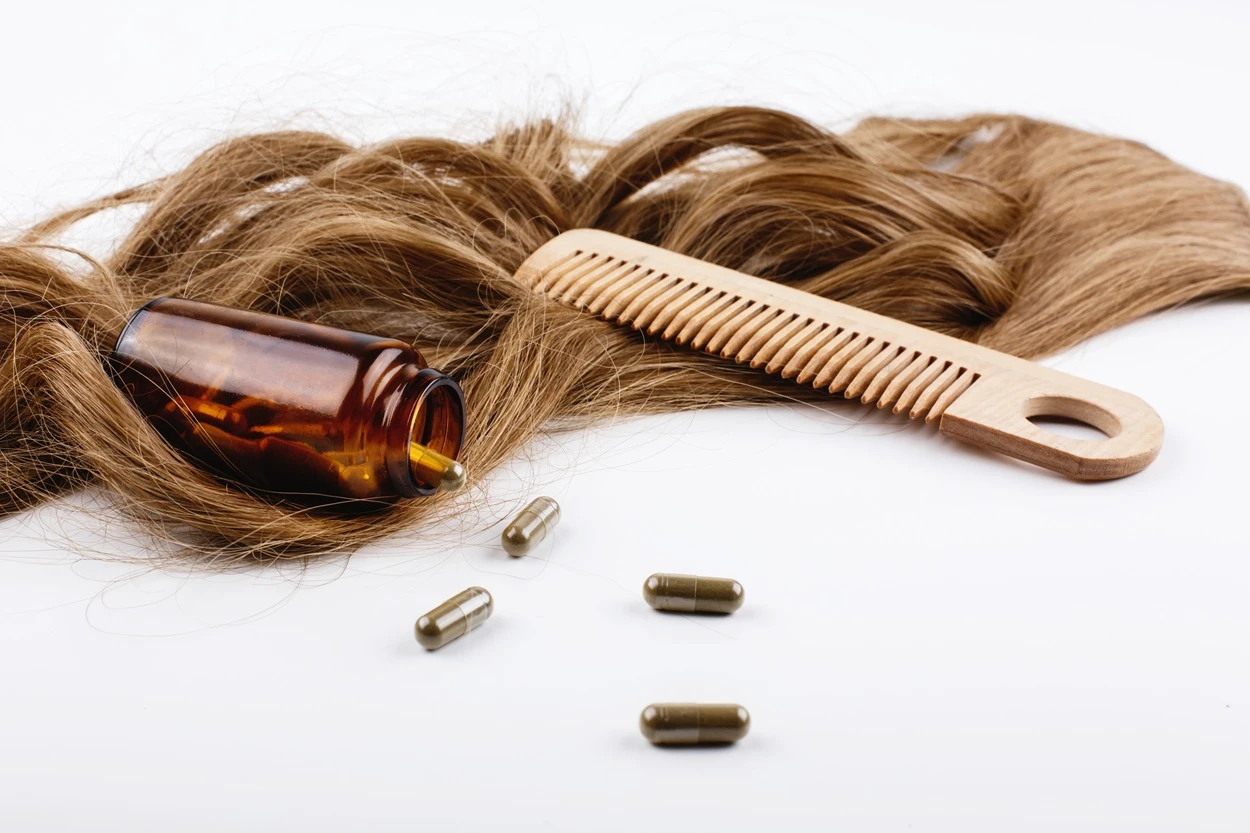


Did you know that the average person loses 50-100 hairs daily, yet many struggle to achieve the lush, healthy hair they desire? While genetics play a role, emerging research reveals that targeted vitamin support can significantly impact your hair's growth cycle, strength, and overall vitality. This comprehensive guide explores the scientific connection between essential vitamins and optimal hair growth, providing you with evidence-based strategies to transform your hair health from the inside out. You'll discover which specific vitamins fuel hair follicles, how nutritional deficiencies sabotage growth, and practical approaches to incorporating vitamin support into your daily routine for measurable results.
The hair growth cycle consists of three distinct phases: anagen (growth), catagen (transition), and telogen (rest). During the anagen phase, which lasts 2-7 years, hair follicles require a constant supply of nutrients to produce strong, healthy strands. Vitamin deficiencies can prematurely shift follicles into the telogen phase, resulting in increased shedding and slower regrowth.
Your scalp contains thousands of hair follicles that depend on proper blood circulation and nutrient delivery. When essential vitamins are lacking, follicles become weakened, leading to brittle hair, reduced diameter, and compromised growth rates. Research indicates that even mild deficiencies can affect hair quality within 2-3 months.
Vitamin D receptors are present in hair follicles, making this vitamin crucial for initiating new hair growth cycles. Studies show that individuals with alopecia often have significantly lower Vitamin D levels compared to those with healthy hair. Adequate Vitamin D supports the creation of new follicles and helps maintain existing ones.
The B-vitamin family, particularly Biotin (B7), Niacin (B3), and B12, plays vital roles in hair protein synthesis. Biotin deficiency can lead to hair thinning and loss, while B12 supports red blood cell formation, ensuring oxygen delivery to hair follicles. These vitamins work synergistically to strengthen hair structure and promote consistent growth.
Vitamin C enhances iron absorption, a critical mineral for hair growth. Iron deficiency is one of the most common nutritional causes of hair loss, particularly in women. Vitamin C also supports collagen production, which strengthens hair shafts and improves overall hair quality.
Thinning at the crown, excessive shedding during washing, and brittle hair that breaks easily often signal vitamin deficiencies. Hair that lacks shine, feels dry despite conditioning, or grows slowly may indicate insufficient nutritional support for optimal follicle function.
Most individuals notice initial improvements in hair texture and reduced shedding within 6-8 weeks of consistent vitamin supplementation. Visible length and density improvements typically become apparent after 3-4 months, as new growth cycles begin with proper nutritional support.
Consider factors such as dietary restrictions, existing health conditions, and current hair concerns when selecting vitamin support. Vegetarians may need additional B12 and iron, while those with limited sun exposure might require higher Vitamin D supplementation.
Look for third-party tested products with bioavailable forms of nutrients. Superior ingredients, highly absorbable formats, palatable flavors ensure optimal nutrient delivery to hair follicles. Methylated B-vitamins, chelated minerals, and Vitamin D3 (rather than D2) offer superior absorption and effectiveness for hair growth support.
Expert Insight
The key to successful vitamin therapy for hair growth lies in consistency and proper dosing. Many people expect overnight results, but hair follicles require 2-3 months of sustained nutrition to show visible improvements.
Regular scalp massage increases blood circulation, enhancing nutrient delivery to follicles. Use gentle, circular motions for 5-10 minutes daily to stimulate growth and improve absorption of topically applied treatments.
Incorporate nutrient-dense foods like salmon (Omega-3s), spinach (iron and folate), eggs (biotin), and sweet potatoes (beta-carotene) to naturally support healthy hair growth alongside targeted supplementation.
Initial benefits include reduced hair shedding, improved texture, and increased shine. These early changes indicate that follicles are receiving better nutritional support and beginning to strengthen.
Significant improvements in hair density, growth rate, and overall health become apparent as new growth cycles complete with adequate vitamin support. Consistent supplementation during this period is crucial for sustained results.
Sporadic vitamin intake disrupts the steady nutrient supply that hair follicles require. Missing doses for several days can slow progress and delay visible improvements in hair growth and quality.
Stress, inadequate sleep, and poor hydration can counteract the benefits of vitamin supplementation. A holistic approach addressing these factors alongside nutritional support yields optimal results for healthy hair growth.
Most people notice initial improvements like reduced shedding and better hair texture within 6-8 weeks. Visible growth and density improvements typically become apparent after 3-4 months of consistent use, as this allows time for new hair growth cycles to complete with proper nutritional support.
Yes, but it's important to check for overlapping ingredients to avoid exceeding recommended daily values. Some nutrients like Vitamin A can be harmful in excess. Consult with a healthcare provider to ensure your total supplement regimen is safe and effective.
Most hair growth vitamins are well-tolerated when taken as directed. However, some people may experience mild digestive upset, especially with iron-containing formulas. Taking vitamins with food typically reduces any stomach discomfort.
Hair growth vitamins are most effective for hair loss caused by nutritional deficiencies, stress, or general thinning. They may not be effective for genetic pattern baldness or hair loss caused by medical conditions like alopecia areata. A healthcare provider can help determine the underlying cause of hair loss.
Yes, consistent supplementation is important for maintaining results. Hair follicles require ongoing nutritional support to continue producing healthy hair. Stopping supplementation may lead to a gradual return of previous hair concerns over time.
The connection between vitamin support and optimal hair growth is backed by substantial scientific evidence, revealing how targeted nutrition can transform hair health from within. Key vitamins including D, B-complex, and C work synergistically to strengthen follicles, improve growth cycles, and enhance overall hair quality.
While results require patience and consistency, most individuals experience noticeable improvements in texture and reduced shedding within 6-8 weeks, with significant growth and density changes becoming apparent after 3-4 months.
Remember that successful hair transformation extends beyond supplementation alone, requiring attention to scalp health, dietary choices, and lifestyle factors. By understanding your individual nutritional needs and maintaining consistent vitamin support, you can unlock your hair's natural growth potential and achieve the healthy, vibrant hair you desire.
Explore our comprehensive range of scientifically-formulated hair growth supplements to begin your journey toward stronger, more beautiful hair today.


Someone sent you
Error
Powered by ReferRush


