Biotin & Fasting: Your Complete Guide to Supplements
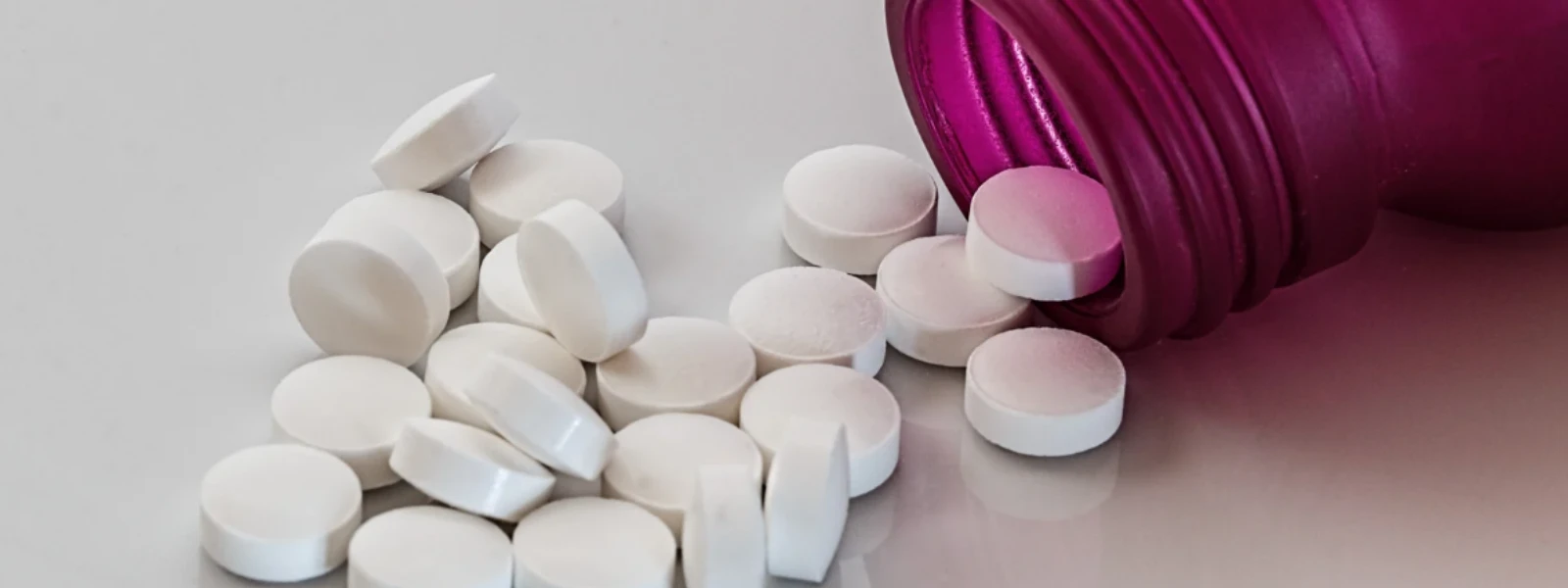


Intermittent fasting has become a popular lifestyle choice for millions seeking better health and weight management. But as you navigate your fasting journey, questions about supplement timing naturally arise. One of the most common concerns is whether you can take biotin while intermittent fasting without breaking your fast or compromising your results.
This comprehensive guide will answer your questions about biotin and fasting, explore the benefits of this essential vitamin, and help you optimize your supplement routine for maximum effectiveness. You'll learn the science behind biotin absorption, proper timing strategies, and how this vital nutrient supports your overall health during fasting periods.
Biotin, also known as Vitamin B7, is a water-soluble vitamin that plays a crucial role in converting food into energy. Your body needs biotin for healthy hair, skin, and nails, as well as proper nervous system function. Unlike fat-soluble vitamins, biotin dissolves in water and isn't stored in your body for long periods, making regular intake important.
Intermittent fasting involves cycling between periods of eating and fasting. Popular methods include the 16:8 approach (16 hours fasting, 8 hours eating) or the 5:2 method (eating normally five days, restricting calories two days). During fasting periods, your body shifts from using glucose for energy to burning stored fat, a process called ketosis.
The relationship between fasting and nutrient absorption is complex. While your digestive system rests during fasting windows, certain vitamins and minerals can still be absorbed effectively. Water-soluble vitamins like biotin are particularly well-suited for consumption during fasting periods because they don't require food for absorption.
Many people worry that taking any supplement will break their fast. However, this concern often stems from misunderstanding what actually interrupts the fasting state. The key factor is calories, not the mere presence of nutrients in your system.
Yes, you can take biotin while intermittent fasting without breaking your fast. Biotin supplements are virtually calorie-free, typically containing less than one calorie per dose. Since breaking a fast requires a significant caloric intake (generally 50+ calories), biotin won't interfere with your fasting goals.
The timing of biotin supplementation during intermittent fasting is flexible. You can take it during your fasting window or eating window, depending on your preference and tolerance. Some people find taking biotin on an empty stomach causes mild nausea, while others experience no issues at all.
Water-soluble vitamins like biotin have an advantage during fasting because they don't need dietary fat for absorption. Unlike fat-soluble vitamins (A, D, E, K) that require food for optimal uptake, biotin can be effectively absorbed with just water.
Did You Know?
Biotin deficiency can actually become more noticeable during intermittent fasting because reduced food intake may limit natural biotin sources. Supplementation helps maintain optimal levels even with restricted eating windows.
For optimal results, consider taking biotin with a large glass of water during your fasting period. This approach ensures consistent daily intake without worrying about meal timing or food interactions.
Biotin offers several specific advantages for people practicing intermittent fasting. During caloric restriction periods, your body may experience increased stress on hair, skin, and nail health. Biotin supplementation helps maintain the structural integrity of these tissues by supporting keratin production.
Energy metabolism becomes particularly important during fasting. Biotin acts as a coenzyme in several metabolic pathways, helping your body efficiently convert stored fats and proteins into usable energy. This process becomes crucial when glucose availability is limited during fasting windows.
The nervous system also benefits from adequate biotin levels during intermittent fasting. This vitamin supports neurotransmitter synthesis and nerve signal transmission, which can help manage stress and maintain cognitive function during dietary changes.
Sleep quality often improves with intermittent fasting, but some people experience initial disruptions as their body adapts. Biotin supports the production of certain neurotransmitters that regulate sleep-wake cycles, potentially helping you maintain better rest during your fasting journey.
Hair growth concerns frequently arise during intermittent fasting, especially in the initial adaptation phase. Biotin supplementation helps maintain healthy hair follicle function and may prevent temporary hair thinning that some people experience when changing their eating patterns.
While biotin is beneficial, it works best as part of a comprehensive supplement strategy for intermittent fasting. Essential vitamins and minerals become more important when your eating window is restricted, making strategic supplementation valuable.
Magnesium stands out as particularly beneficial for fasting practitioners. This mineral supports muscle function, helps manage stress, and promotes better sleep quality. Many people find magnesium supplementation especially helpful during the adaptation phase of intermittent fasting.
B-complex vitamins, including biotin, work synergistically to support energy metabolism and nervous system function. Taking a complete B-complex supplement ensures you're getting all the water-soluble vitamins your body needs during fasting periods.
Supplements for stress management become important as your body adapts to new eating patterns. Adaptogens and calming nutrients can help ease the transition and support your overall well-being during intermittent fasting.
Sleep support supplements may be beneficial if you experience sleep disruptions during your fasting journey. Quality rest is crucial for the success of any intermittent fasting program, making sleep-supporting nutrients a wise investment.
The recommended daily intake of biotin for adults is 30 micrograms, though many supplements contain much higher amounts. Biotin has a very low toxicity profile, and excess amounts are typically excreted through urine rather than stored in the body.
For intermittent fasting practitioners, timing flexibility is one of biotin's advantages. You can take your daily dose during either your fasting or eating window without significantly affecting absorption. However, some people prefer taking it with their first meal to avoid any potential stomach sensitivity.
Fasting doesn't significantly impair biotin absorption since this vitamin doesn't require food for uptake. Your body can absorb biotin effectively whether you're in a fed or fasted state, making it an ideal supplement for intermittent fasting routines.
Signs of biotin deficiency include hair thinning, brittle nails, skin rashes, and fatigue. If you notice these symptoms while practicing intermittent fasting, consider increasing your biotin intake or consulting with a healthcare provider about appropriate dosing.
Your fasting schedule may influence optimal timing. For example, if you practice 16:8 intermittent fasting, you might prefer taking biotin during your 16-hour fasting window to maintain consistent daily timing without worrying about meal coordination.
Meal timing can influence biotin absorption, though the effect is less pronounced than with fat-soluble vitamins. Taking biotin with your first meal of the day may enhance absorption slightly, but the difference isn't dramatic enough to be a major concern.
Certain foods can enhance biotin absorption when taken during your eating window. Eggs, nuts, and seeds are natural biotin sources that also provide cofactors supporting biotin utilization. Including these foods in your eating window can complement your supplement routine.
Be aware of potential interactions with other supplements. Raw egg whites contain avidin, a protein that binds biotin and prevents absorption. If you consume raw eggs or egg white supplements, separate them from your biotin dose by several hours.
Common absorption mistakes include taking biotin with alcohol or excessive caffeine, both of which can interfere with B-vitamin absorption. During your eating window, moderate these substances to optimize nutrient uptake.
No, biotin does not break intermittent fasting. Biotin supplements contain virtually no calories (less than 1 calorie per dose), which is well below the threshold that would interrupt your fasting state. You can safely take biotin during your fasting window without compromising your results.
Yes, you can take biotin on an empty stomach. As a water-soluble vitamin, biotin doesn't require food for absorption. Some people may experience mild nausea when taking supplements on an empty stomach, but this is uncommon with biotin. If you do experience discomfort, try taking it with a small amount of water.
Most people begin noticing biotin benefits within 4-6 weeks of consistent supplementation. Hair and nail improvements typically become visible after 2-3 months, as these structures grow slowly. Energy and metabolic benefits may be noticed sooner, often within the first few weeks of combining biotin with intermittent fasting.
Yes, daily biotin supplementation is recommended during intermittent fasting. Since biotin is water-soluble and not stored in large amounts by your body, consistent daily intake helps maintain optimal levels. This is especially important during intermittent fasting when your food intake may be more limited.
Biotin may help prevent or minimize hair thinning that some people experience when starting intermittent fasting. While temporary hair changes can occur during dietary transitions, maintaining adequate biotin levels supports healthy hair follicle function and may reduce the likelihood of noticeable hair loss during your fasting journey.
Taking biotin while intermittent fasting is not only safe but can be beneficial for maintaining optimal health during your fasting journey. This essential vitamin supports energy metabolism, hair and nail health, and nervous system function without breaking your fast. The flexibility of timing and excellent safety profile make biotin an ideal supplement for intermittent fasting practitioners. Remember that consistency is key, and combining biotin with other supportive nutrients can enhance your overall fasting experience. As you continue your intermittent fasting journey, consider exploring comprehensive supplement options that support your health goals while respecting your fasting schedule.


Someone sent you
Error
Powered by ReferRush


