Plant Protein & Skin: Your Complete Guide to Elasticity
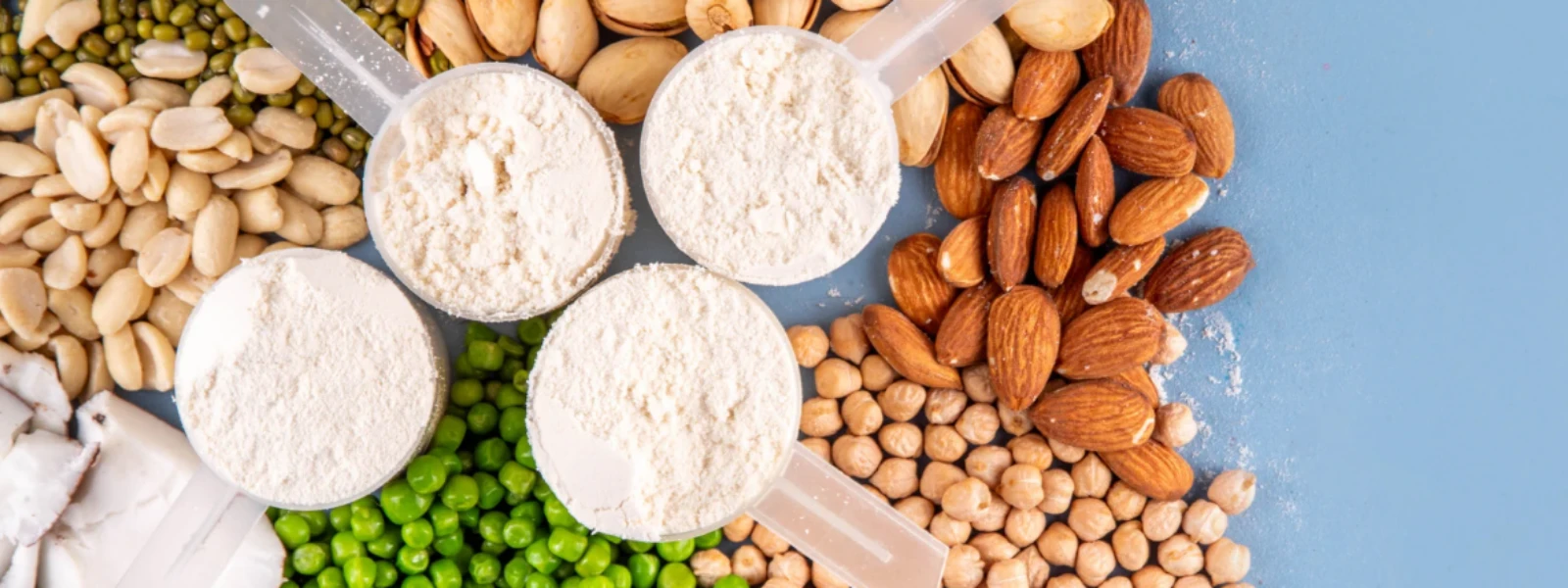


Your skin tells a story. Every line, texture change, and loss of firmness reflects how well your body produces the proteins that keep skin looking youthful. While many people turn to expensive creams and treatments, the real secret to maintaining skin elasticity might be sitting in your kitchen cabinet: plant protein powder.
Recent research shows that the amino acids in plant proteins can stimulate your body's natural collagen production, potentially offering a more sustainable and effective approach to skin health than topical treatments alone. This comprehensive guide explores how the best plant protein powder for skin elasticity works at the cellular level, which sources provide maximum benefits, and how to integrate them into your daily routine for visible results.
You'll discover the science behind protein's role in skin structure, compare different plant protein sources, and learn practical strategies for using these supplements to support your skin's natural repair and regeneration processes.
Your skin's elasticity depends on two key structural proteins: collagen and elastin. Collagen provides strength and structure, while elastin allows your skin to stretch and bounce back. After age 25, your body's natural collagen production decreases by about 1% each year, leading to visible signs of aging.
Plant protein for skin works by providing the essential amino acids your body needs to synthesize these structural proteins. Unlike topical treatments that only affect the skin's surface, protein supplementation supports skin health from within by:
Supplying building blocks for collagen synthesis
Supporting cellular repair and regeneration
Providing antioxidants that protect existing collagen
Reducing inflammation that can accelerate skin aging
Research published in the Journal of Cosmetic Dermatology found that participants who consumed protein supplements showed significant improvements in skin hydration and elasticity compared to those who didn't supplement. The amino acids glycine, proline, and hydroxyproline - abundant in many plant proteins - are particularly crucial for collagen formation.
Your body requires specific amino acids to build collagen effectively. Vegan protein skin benefits come from complete amino acid profiles that include:
Glycine: Makes up about one-third of collagen structure
Proline: Essential for collagen stability
Lysine: Helps cross-link collagen fibers
Arginine: Supports wound healing and skin repair
Plant proteins often contain these amino acids in different ratios than animal proteins, but research suggests this diversity may actually benefit skin health by providing a broader spectrum of nutrients.
Did You Know?
Studies show that consuming 20-25 grams of plant protein daily can increase collagen synthesis by up to 22% when combined with Vitamin C, making it a powerful plant based collagen alternative.
While both plant and animal proteins can support skin health, plant-based options offer unique advantages for maintaining skin elasticity and overall appearance.
Best protein for healthy skin often comes from plant sources because they naturally contain anti-inflammatory compounds. Chronic inflammation accelerates collagen breakdown and contributes to premature aging. Plant proteins typically include:
Polyphenols that reduce oxidative stress
Fiber that supports gut health and reduces systemic inflammation
Phytonutrients that protect against environmental damage
Many people find plant proteins easier to digest than animal-based options, which can improve nutrient absorption and reduce digestive inflammation that might affect skin health. Better digestion means more amino acids reach your bloodstream and become available for collagen synthesis.
Plant proteins generally contain fewer environmental toxins than animal proteins, which can accumulate in fatty tissues and potentially affect skin health over time. This makes them a cleaner choice for long-term supplementation.
Not all plant proteins are created equal when it comes to supporting skin elasticity. Here are the most effective sources for skin health protein sources:
Pea protein stands out for its high lysine content, an amino acid crucial for collagen cross-linking. Studies show pea protein can increase muscle protein synthesis by 20%, and similar mechanisms support skin protein production. Its amino acid profile closely matches what your body needs for optimal collagen formation.
Hemp protein provides a complete amino acid profile plus essential fatty acids that support skin barrier function. The omega-3 and omega-6 fatty acids in hemp protein help maintain skin hydration and reduce inflammation that can break down collagen.
Brown rice protein is hypoallergenic and easily digestible, making it ideal for people with sensitive skin or digestive issues. It's rich in cysteine, an amino acid that supports glutathione production - your body's master antioxidant that protects collagen from damage.
As one of the few plant proteins containing all nine essential amino acids, quinoa protein provides comprehensive support for skin repair and regeneration. It also contains Vitamin E, which protects skin from oxidative damage.
Getting the most skin elasticity supplements benefits from plant protein requires strategic timing and combination with complementary nutrients.
Research suggests consuming 20-30 grams of plant protein daily provides optimal amino acid availability for collagen synthesis. Divide this into two servings - morning and evening - to maintain steady amino acid levels throughout the day.
Enhance your protein powder collagen boost by combining plant protein with:
Vitamin C: Essential cofactor for collagen synthesis
Zinc: Supports protein metabolism and wound healing
Silica: Strengthens connective tissue structure
Biotin: Supports healthy skin cell production
Consume plant protein on an empty stomach or with minimal food to maximize amino acid absorption. Morning consumption supports daytime repair processes, while evening intake provides amino acids for overnight skin regeneration.
Protein powder for anti-aging works through multiple mechanisms beyond just collagen production. Plant proteins support skin hydration, reduce inflammation, and provide antioxidant protection that helps prevent premature aging.
The antioxidants in plant proteins help neutralize free radicals that break down collagen and elastin. Regular consumption of vegan protein for wrinkles can help maintain skin firmness and reduce the appearance of fine lines over time.
Protein powder and skin hydration are closely linked through amino acids that support the skin's natural moisture barrier. Proteins help maintain the structure of skin cells that retain water, leading to plumper, more hydrated-looking skin.
Consistency is key when using plant protein for skin benefits. Most people notice initial improvements in skin texture and hydration within 4-6 weeks, with more significant changes in elasticity and firmness appearing after 8-12 weeks of regular use.
The gradual nature of these improvements reflects how your body builds new collagen - it's a slow but steady process that creates lasting results when supported with proper nutrition and lifestyle habits.
Most people notice initial improvements in skin hydration and texture within 4-6 weeks of consistent use. Significant changes in elasticity and firmness typically appear after 8-12 weeks, as this reflects the time needed for new collagen formation.
Plant protein can be highly effective for supporting skin health by providing amino acids needed for natural collagen synthesis. While it works differently than direct collagen supplementation, many people find plant protein equally or more effective, especially when combined with Vitamin C and other cofactors.
Pea protein and hemp protein are particularly beneficial for mature skin due to their complete amino acid profiles and anti-inflammatory properties. Pea protein's high lysine content supports collagen cross-linking, while hemp protein provides essential fatty acids that maintain skin barrier function.
Plant proteins are generally well-tolerated with minimal side effects. Some people may experience mild digestive discomfort when first starting supplementation. Begin with smaller doses and gradually increase to allow your digestive system to adapt.
While plant protein provides essential amino acids, combining it with Vitamin C, zinc, and biotin can enhance collagen synthesis. A balanced diet rich in fruits and vegetables typically provides these cofactors, but targeted supplementation may be beneficial for optimal results.
Plant protein offers a scientifically-backed approach to supporting skin elasticity and overall skin health from within. By providing essential amino acids, anti-inflammatory compounds, and antioxidants, the best plant protein powders can help maintain your skin's natural collagen production and protect against premature aging. The key lies in choosing high-quality sources, maintaining consistent intake, and combining protein with complementary nutrients for maximum benefits. Whether you're looking to prevent early signs of aging or support mature skin, plant protein represents a sustainable, effective strategy for maintaining healthy, elastic skin throughout life.


Someone sent you
Error
Powered by ReferRush


