13 Vitamin B Rich Foods for a Metabolism Boost
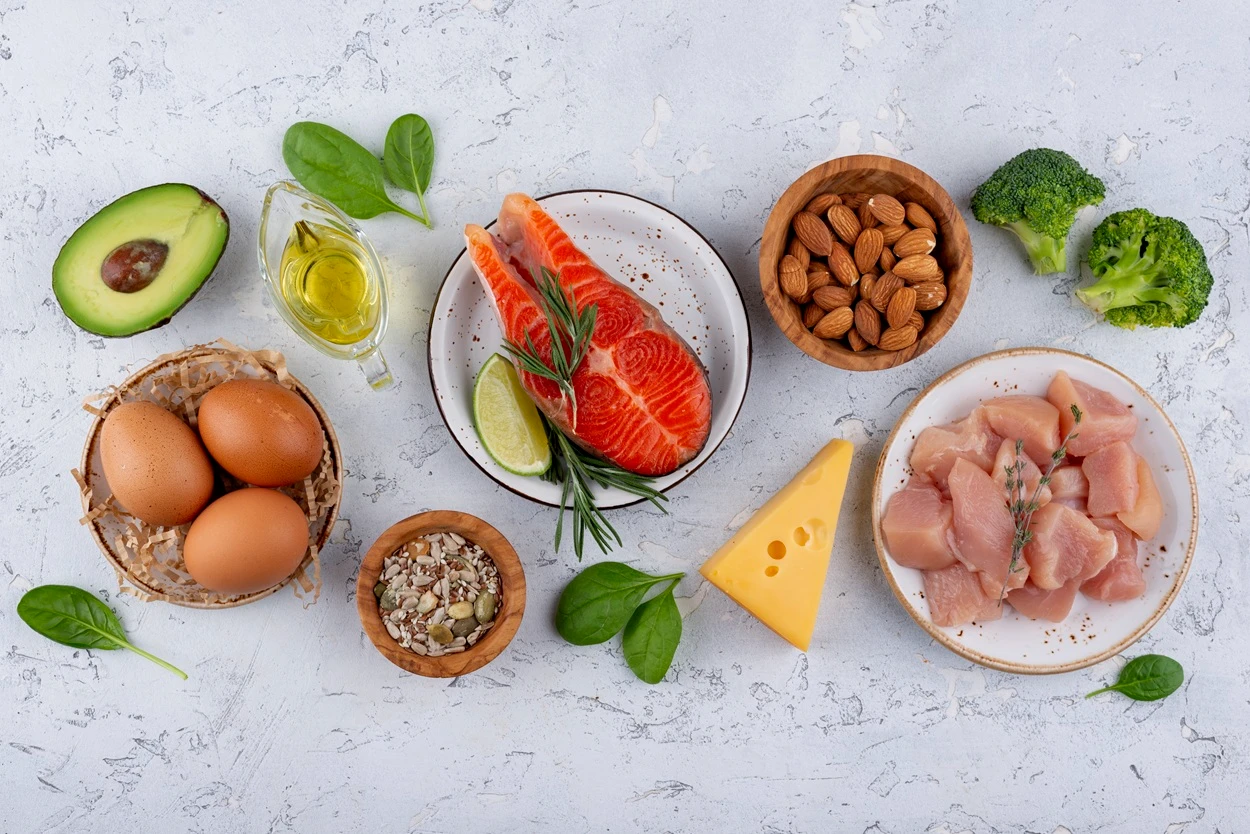


Your metabolism is the engine that powers every cellular process in your body, from converting food into energy to supporting brain function and maintaining healthy skin. At the heart of this complex metabolic machinery lies a group of essential nutrients that often go unrecognized: the B vitamins. These eight water-soluble vitamins work synergistically to unlock your body's metabolic potential, yet studies show that nearly 40% of adults have suboptimal B vitamin levels, directly impacting their energy production and metabolic efficiency.
This comprehensive guide explores 13 powerhouse vitamin B rich food options that can naturally supercharge your metabolism while supporting overall health. You'll discover the science behind how B vitamins fuel metabolic processes, learn which specific foods provide the highest concentrations of these vital nutrients, and understand how to strategically incorporate these dietary sources of vitamin B into your daily routine for optimal metabolic health.
The vitamin B complex comprises eight distinct vitamins, each playing crucial roles in energy metabolism. Thiamine (B1) helps convert carbohydrates into energy, while riboflavin (B2) supports fat and protein metabolism. Niacin (B3) is essential for cellular energy production, and pantothenic acid (B5) aids in fatty acid synthesis. Pyridoxine (B6) facilitates amino acid metabolism, biotin (B7) supports glucose and fatty acid metabolism, folate (B9) is crucial for DNA synthesis and cell division, and cobalamin (B12) is vital for red blood cell formation and neurological function.
Research demonstrates that adequate B vitamin intake can increase resting metabolic rate significantly. These vitamins serve as coenzymes in metabolic pathways, essentially acting as catalysts that accelerate the chemical reactions responsible for energy production. Without sufficient B vitamins, your metabolic processes slow down, leading to fatigue, weight gain, and decreased cognitive function.
Vitamin B12 is primarily found in animal products, making it one of the most challenging B vitamins for vegetarians and vegans to obtain naturally. Beef liver contains the highest concentration at 70.7 micrograms per 3.5-ounce serving, providing nearly 3,000% of the daily value. Wild-caught salmon delivers 4.8 micrograms per serving, while grass-fed beef provides 2.6 micrograms. These foods for metabolism boost also supply additional nutrients like iron and omega-3 fatty acids that further support metabolic function.
For those following plant-based diets, fortified nutritional yeast provides an excellent source of vitamin B12, containing up to 24 micrograms per two tablespoons. Fortified plant-based milk alternatives and breakfast cereals can also contribute significantly to B12 intake, though absorption rates may vary compared to natural sources.
Dark leafy greens represent some of the most nutrient-dense vitamin B complex foods available. Spinach provides 263 micrograms of folate per cooked cup, supporting DNA synthesis and cellular energy production. Romaine lettuce, kale, and Swiss chard also deliver substantial amounts of folate, along with other B vitamins like riboflavin and vitamin B6.
Lentils, chickpeas, and black beans offer comprehensive B vitamin profiles that support multiple metabolic pathways. One cup of cooked lentils provides 358 micrograms of folate, 0.5 milligrams of thiamine, and significant amounts of vitamin B6. These foods high in vitamin B also provide plant-based protein and fiber, creating a synergistic effect for metabolic health.
Eggs stand out as one of nature's most complete vitamin B rich foods, containing meaningful amounts of seven of the eight B vitamins. Two large eggs provide 0.6 micrograms of vitamin B12, 20 micrograms of biotin, and substantial amounts of riboflavin, pantothenic acid, and folate. The biotin content in eggs is particularly beneficial for metabolic health, as this vitamin plays a crucial role in glucose metabolism and fatty acid synthesis.
Cooking methods significantly impact B vitamin content in eggs. Soft-boiled or poached eggs retain the highest levels of heat-sensitive B vitamins, while overcooking can reduce biotin availability by up to 40%. The yolk contains the majority of B vitamins, making whole egg consumption essential for maximum metabolic benefits.
Whole grains and fortified cereals serve as primary dietary sources of thiamine (B1) and niacin (B3) in many diets. Fortified breakfast cereals can provide up to 100% of the daily value for multiple B vitamins, while brown rice, quinoa, and oats offer natural sources of these metabolism-supporting nutrients. The fiber content in whole grains also supports gut health, which is crucial for B vitamin synthesis and absorption.
Ancient grains like quinoa, amaranth, and teff provide superior B vitamin profiles compared to refined grains. Quinoa contains all eight B vitamins, with particularly high levels of folate and thiamine. These nutrient-dense options support sustained energy release and metabolic stability throughout the day.
Pro Tip: "Combining vitamin B rich foods with healthy fats enhances absorption of fat-soluble vitamins and supports overall metabolic function. Try pairing fortified nutritional yeast with avocado or adding nuts to your whole grain breakfast for optimal nutrient synergy."
Sunflower seeds rank among the top dietary sources of pantothenic acid (vitamin B5), providing 2.4 milligrams per quarter-cup serving. This B vitamin is essential for coenzyme A synthesis, which plays a central role in fatty acid metabolism and energy production. The vitamin E content in sunflower seeds also provides antioxidant protection for metabolic enzymes.
Tree nuts offer concentrated sources of multiple B vitamins while providing healthy monounsaturated fats that support metabolic health. Almonds provide significant amounts of riboflavin and vitamin B6, while walnuts contribute folate and thiamine. The protein and fiber content in nuts also helps stabilize blood sugar levels, supporting consistent metabolic function.
Fermented dairy products like Greek yogurt and kefir provide naturally occurring B vitamins while supporting gut health through beneficial probiotics. The fermentation process can actually increase certain B vitamin levels, particularly riboflavin and vitamin B12. One cup of plain Greek yogurt delivers 1.3 micrograms of vitamin B12 and significant amounts of riboflavin and pantothenic acid.
Aged cheeses like Swiss, cheddar, and Parmesan concentrate B vitamins through the aging process. Swiss cheese provides exceptional levels of vitamin B12, while ricotta and cottage cheese offer substantial amounts of riboflavin and pantothenic acid. The protein content in cheese also supports muscle maintenance and metabolic rate.
Fatty fish like salmon, mackerel, and sardines provide exceptional combinations of vitamin B12, niacin, and vitamin B6, along with metabolism-supporting omega-3 fatty acids. Wild-caught salmon delivers 4.8 micrograms of vitamin B12 per 3.5-ounce serving, while also providing high-quality protein that increases metabolic rate through the thermic effect of food.
Mussels, clams, and crab offer some of the highest concentrations of vitamin B12 found in nature. Six medium oysters provide an astounding 16.4 micrograms of vitamin B12, along with significant amounts of other B vitamins and metabolism-supporting minerals like zinc and selenium.
Tempeh, a fermented soy product, naturally contains vitamin B12 due to the fermentation process, making it one of the few plant-based sources of this crucial nutrient. Two tablespoons of nutritional yeast provide up to 24 micrograms of vitamin B12 when fortified, along with substantial amounts of other B vitamins including thiamine, riboflavin, and niacin.
These nutrient-dense algae provide plant-based sources of multiple B vitamins, including bioavailable forms of vitamin B12. One tablespoon of spirulina contains significant amounts of thiamine, riboflavin, and niacin, while also providing complete protein and antioxidant compounds that support metabolic health.
B vitamin absorption can be optimized through strategic food combinations and timing. Water-soluble B vitamins are best absorbed when consumed with meals, as the presence of other nutrients enhances uptake. Combining vitamin C-rich foods with B vitamins can improve absorption, while excessive alcohol consumption can deplete B vitamin stores and impair absorption. When choosing supplements, superior ingredients, highly absorbable formats, palatable flavors ensure maximum bioavailability and consistent nutrient delivery.
Heat, light, and water can significantly reduce B vitamin content in foods. Steaming, microwaving, and quick sautéing preserve more B vitamins compared to boiling or prolonged cooking. Storing foods properly in cool, dark conditions and consuming them fresh maximizes their B vitamin content and metabolic benefits.
The recommended daily intake varies by specific B vitamin and individual factors like age, gender, and health status. Generally, adults need 1.1-1.2 mg of thiamine, 1.1-1.3 mg of riboflavin, 14-16 mg of niacin, 1.3-1.7 mg of vitamin B6, 400 mcg of folate, and 2.4 mcg of vitamin B12 daily. Consuming a variety of vitamin B rich foods typically meets these requirements naturally.
Most people can obtain adequate B vitamins through a well-balanced diet that includes diverse vitamin B complex foods. However, individuals following strict vegan diets may need vitamin B12 supplements, and those with certain medical conditions or increased metabolic demands might benefit from additional supplementation under medical guidance.
Animal products like eggs, fish, and dairy provide the most complete B vitamin profiles, containing all eight B vitamins in significant amounts. For plant-based options, fortified nutritional yeast, whole grains, and legumes offer broad B vitamin coverage, though vitamin B12 typically requires fortified foods or supplements.
Most people begin experiencing improved energy levels within 2-4 weeks of optimizing their B vitamin intake through dietary sources of vitamin B. However, individuals with existing deficiencies may notice improvements sooner, while those with adequate levels might experience more subtle benefits related to sustained energy and metabolic efficiency.
Yes, B vitamins are water-soluble and heat-sensitive, making them vulnerable to cooking losses. Steaming, microwaving, and minimal cooking preserve the most B vitamins, while boiling and prolonged heat exposure can reduce content by 25-50%. Consuming some foods raw or lightly cooked maximizes their B vitamin benefits.
Incorporating these 13 vitamin B rich foods into your daily diet provides a natural, sustainable approach to boosting your metabolism while supporting overall health. From the vitamin B12 powerhouse of wild-caught salmon to the comprehensive B vitamin profile found in eggs, each food offers unique metabolic benefits that work synergistically to optimize your body's energy production systems. The science clearly demonstrates that adequate B vitamin intake can increase metabolic rate, improve energy levels, and support long-term metabolic health when combined with a balanced lifestyle approach.
By understanding which foods provide the highest concentrations of specific B vitamins and how to prepare them for maximum nutrient retention, you can create a personalized nutrition strategy that naturally enhances your metabolic function. Whether you're seeking to increase energy levels, support weight management goals, or simply optimize your overall health, these evidence-based dietary choices provide the foundation for sustainable metabolic enhancement. Explore our comprehensive nutrition resources to discover additional strategies for supporting your metabolic health journey through informed dietary choices.


Someone sent you
Error
Powered by ReferRush


