7 Biotin Facts for Safe Intermittent Fasting
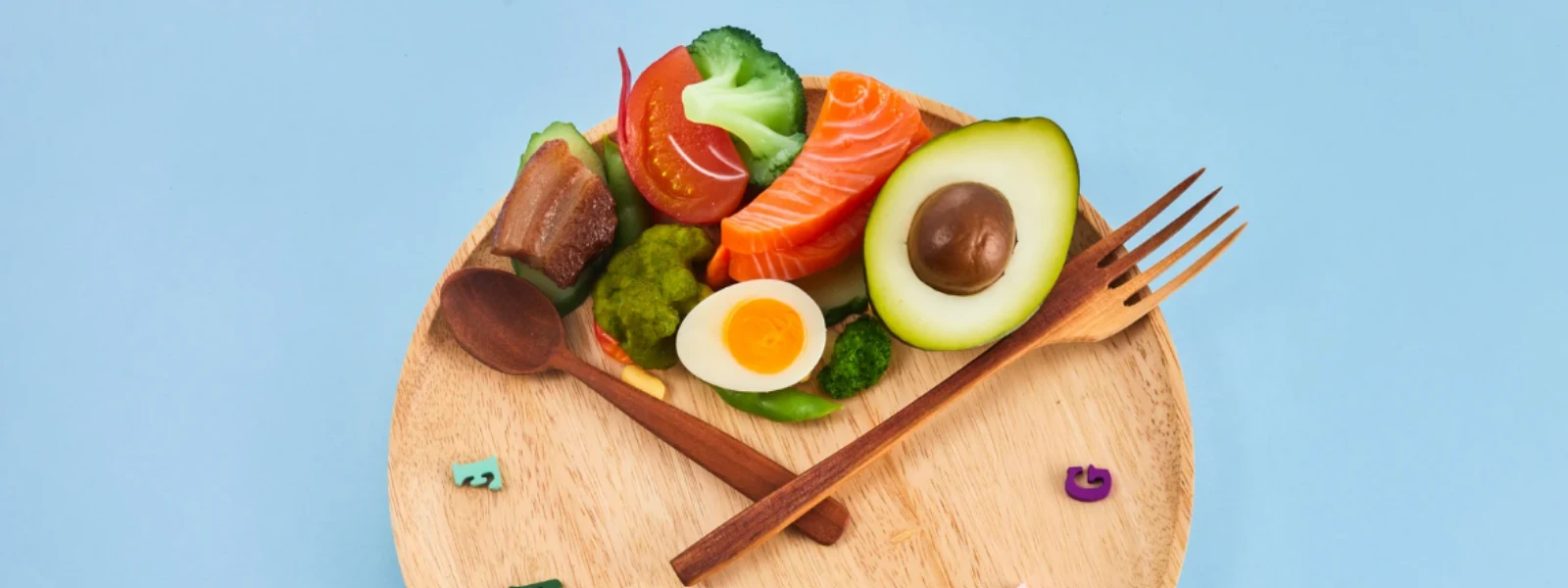


Intermittent fasting has become one of the most popular health trends, with millions of people adopting this eating pattern for weight management and metabolic benefits. As fasting periods extend, many wonder about supplement safety during their eating windows. One question that frequently arises is: is biotin safe for intermittent fasting?
Biotin, also known as Vitamin B7, plays a crucial role in metabolism and is often sought after for its hair, skin, and nail benefits. Understanding how this essential vitamin interacts with fasting protocols can help you make informed decisions about your supplement routine.
This comprehensive guide explores seven essential facts about biotin and intermittent fasting, covering everything from safety considerations to optimal dosing strategies. You'll learn how biotin supports your body during fasting periods and discover practical tips for incorporating it into your routine safely.
Biotin belongs to the B-vitamin family and serves as a coenzyme in several metabolic processes. Your body uses this water-soluble vitamin to convert carbohydrates, fats, and proteins into energy - a function that becomes particularly important during fasting periods when your body shifts its fuel sources.
During intermittent fasting, your body undergoes significant metabolic changes. Biotin facilitates these transitions by supporting enzymes involved in gluconeogenesis and fatty acid synthesis. This makes it especially relevant for people following fasting protocols, as it helps maintain steady energy production even when food intake is restricted.
Many individuals turn to biotin supplementation during intermittent fasting for multiple reasons. Hair growth and strength remain the primary motivators, as fasting can sometimes impact nutrient availability for hair follicles. Additionally, biotin's role in maintaining healthy skin and nails makes it attractive to those concerned about potential aesthetic effects of dietary restriction.
Research consistently shows that biotin supplementation poses no significant risks during fasting periods. As a water-soluble vitamin, biotin doesn't require fat for absorption, making it suitable for consumption during eating windows without concerns about breaking your fast.
Clinical studies have examined biotin supplementation in various dietary contexts, including periods of caloric restriction. No adverse interactions have been documented between biotin intake and fasting protocols. The vitamin's water-soluble nature means excess amounts are readily excreted through urine, reducing the risk of accumulation.
Pure biotin supplements contain virtually no calories and don't trigger insulin responses that would break your fast. Most biotin capsules or tablets provide the vitamin in such small quantities that they have negligible impact on your fasting state. However, always check supplement labels for added sugars or fillers that might affect your fast.
The relationship between metabolism and biotin becomes particularly relevant during intermittent fasting. As your body adapts to extended periods without food, biotin helps maintain efficient energy production from stored nutrients.
Biotin serves as a cofactor for several carboxylase enzymes involved in glucose metabolism and fatty acid oxidation. During fasting, when your body shifts from glucose to fat burning, these biotin-dependent processes become crucial for maintaining energy levels and supporting metabolic flexibility.
Did You Know?
Biotin deficiency can impair your body's ability to efficiently use stored fat for energy, potentially making fasting periods more challenging and less effective for metabolic goals.
While biotin isn't a direct weight loss supplement, its role in metabolism may indirectly support biotin weight loss goals during intermittent fasting. By optimizing metabolic processes, biotin helps ensure your body efficiently utilizes stored energy during fasting periods, potentially enhancing the metabolic benefits of your fasting protocol.
Determining the right biotin dosage during intermittent fasting requires consideration of your individual needs and fasting goals. Standard recommendations range from 30 to 100 micrograms daily for general health, but therapeutic doses for hair and nail benefits often reach 2,500 to 10,000 micrograms.
For basic metabolic support during fasting, 30-100 micrograms daily typically suffices. Those seeking hair and nail benefits often require higher doses, typically 2,500-5,000 micrograms daily. Some studies on hair growth have used doses up to 10,000 micrograms, though such amounts should be discussed with healthcare providers.
Take biotin during your eating window for optimal absorption. Morning consumption with your first meal often works well, as it provides metabolic support throughout the day. Avoid taking biotin on an empty stomach during fasting periods, as this may cause mild digestive discomfort in sensitive individuals.
The connection between fasting and hair growth concerns many people starting intermittent fasting protocols. While short-term fasting typically doesn't affect hair health, extended periods of caloric restriction can sometimes impact hair growth cycles.
Hair follicles require consistent nutrient supply for optimal growth. During extended fasting periods or very restrictive eating windows, the body may prioritize essential functions over hair growth. Additionally, the stress of dietary changes can sometimes trigger temporary hair thinning in sensitive individuals.
Biotin supports keratin production, the primary protein in hair structure. By ensuring adequate biotin levels during intermittent fasting, you help maintain the building blocks necessary for healthy hair growth. Clinical studies show that biotin supplementation can improve hair thickness and reduce hair loss in individuals with biotin deficiency.
While generally safe, biotin side effects can occur, particularly at high doses. Understanding these potential effects helps you use biotin safely during your fasting journey.
Most people tolerate biotin well, even at high doses. Rare side effects may include skin rashes, digestive upset, or sleep disturbances. High-dose biotin can also interfere with certain laboratory tests, including thyroid function tests and cardiac markers, potentially leading to false results.
During fasting periods, your body may be more sensitive to supplements. Start with lower biotin doses and gradually increase as tolerated. Maintain adequate hydration, as water-soluble vitamins like biotin require proper fluid balance for optimal function and excretion.
Biotin works synergistically with other intermittent fasting supplements to support your health goals. Understanding these combinations helps you create an effective supplement strategy.
B-complex vitamins work together to support energy metabolism, making them natural partners with biotin. Electrolyte supplements help maintain hydration and mineral balance during fasting. Omega-3 fatty acids support overall health and may enhance the benefits of both biotin and intermittent fasting.
While biotin generally plays well with other supplements, timing matters. Take biotin separately from high-dose Vitamin C, as large amounts of Vitamin C may interfere with biotin absorption. Similarly, space biotin away from raw egg whites, which contain avidin that binds biotin and reduces absorption.
Choosing high-quality biotin supplements ensures you get safe supplements for fasting that support rather than compromise your health goals.
Third-party testing verifies supplement purity and potency. Look for products that test for heavy metals, microorganisms, and label accuracy. Clean label certifications indicate minimal additives and fillers that could potentially affect your fast.
Both natural and synthetic biotin forms are bioavailable and effective. Synthetic biotin is more common in supplements and often more cost-effective. Natural biotin from food sources during eating windows can complement supplementation, with eggs, nuts, and leafy greens providing good amounts.
While biotin won't break your fast, it's better to take it during your eating window to avoid potential stomach discomfort and optimize absorption with food.
Pure biotin supplements contain virtually no calories and won't break your fast. However, check labels for added sugars or fillers that might contain calories.
Hair and nail benefits typically become noticeable after 3-6 months of consistent use, as these structures grow slowly. Metabolic benefits may be felt sooner, within a few weeks.
Most people get adequate biotin from food, but those with specific hair concerns or following very restrictive eating patterns may benefit from supplementation.
Take biotin with your first meal of the day during your eating window for optimal absorption and to support metabolic processes throughout the day.
Biotin supplementation can be a safe and beneficial addition to your intermittent fasting routine when used appropriately. The seven facts covered demonstrate that biotin not only poses no risks during fasting but may actually support your metabolic goals and help maintain hair health during dietary restriction periods. Remember to choose high-quality supplements, follow appropriate dosing guidelines, and time your intake during eating windows for best results. As with any supplement regimen, consider consulting with a healthcare provider to ensure biotin supplementation aligns with your individual health needs and fasting goals.


Someone sent you
Error
Powered by ReferRush


