Boost Metabolism Naturally: Your Complete Guide


Your metabolism is like a 24/7 engine that powers every function in your body. From breathing to thinking, your metabolic rate determines how efficiently you burn calories and maintain energy levels. Understanding how to boost metabolism naturally can transform your approach to weight management and overall health.
This comprehensive guide explores science-backed strategies to increase your metabolic rate without relying on quick fixes or extreme measures. You'll discover proven methods including metabolism-boosting foods, effective exercise protocols, and lifestyle changes that support long-term metabolic health.
Metabolism refers to all chemical processes that occur within your body to maintain life. Your metabolic rate is the speed at which these processes happen, directly affecting how many calories you burn throughout the day.
Your total daily energy expenditure consists of four main components. Basal metabolic rate accounts for 60-70% of calories burned and represents the energy needed for basic functions like breathing and circulation. Physical activity contributes 15-30%, while the thermic effect of food uses 8-10% of calories for digestion. Non-exercise activity thermogenesis covers the remaining energy used for daily movements like fidgeting and maintaining posture.
A healthy metabolism efficiently converts food into energy, maintains stable blood sugar levels, and supports optimal hormone production. Signs of a well-functioning metabolism include consistent energy levels, stable weight maintenance, good sleep quality, and regular digestion.
Many people believe metabolism is fixed by genetics, but research shows you can influence your metabolic rate through lifestyle choices. While genetics play a role, they account for only 20-30% of metabolic variation between individuals.
Another common misconception is that eating frequently speeds up metabolism. The truth is that meal frequency has minimal impact on metabolic rate compared to total calorie intake and food quality.
Understanding the mechanisms that influence metabolic rate helps you make informed decisions about how to improve metabolism naturally. Several key factors work together to determine your body's energy expenditure.
The thermic effect of food represents the energy cost of digesting, absorbing, and processing nutrients. Protein has the highest thermic effect, requiring 20-30% of its calories for processing, compared to 5-10% for carbohydrates and 0-3% for fats.
Muscle tissue is metabolically active, burning more calories at rest than fat tissue. Each pound of muscle burns approximately 6-7 calories per day at rest, while fat burns only 2-3 calories. This explains why strength training is crucial for long-term metabolic health.
Several hormones significantly impact your metabolic rate. Thyroid hormones regulate overall metabolic speed, while cortisol affects how your body stores and burns fat. Insulin sensitivity influences how efficiently your body processes glucose and maintains stable energy levels.
Growth hormone and testosterone support muscle maintenance and fat burning, particularly during sleep and recovery periods. Understanding these hormonal influences helps explain why sleep, stress management, and regular exercise are essential for metabolic optimization.
Did You Know?
Your metabolism naturally slows by 1-2% per decade after age 30, primarily due to muscle loss rather than aging itself. This means maintaining muscle mass through resistance training can help preserve metabolic rate as you age.
Certain foods naturally increase your metabolic rate through their thermic effect and nutrient composition. Incorporating these metabolism boosting foods into your daily routine can provide sustained energy and support weight management goals.
Protein-rich foods top the list for metabolic benefits. Lean meats, fish, eggs, and Greek yogurt require significant energy for digestion and help maintain muscle mass. Aim for 20-30 grams of protein per meal to maximize the thermic effect.
Thermogenic foods contain compounds that naturally increase heat production in your body. Chili peppers contain capsaicin, which can boost metabolism by 5-10% for several hours after eating. Green tea provides catechins and caffeine that work together to enhance fat burning and energy expenditure.
Whole grains like quinoa, brown rice, and oats require more energy to digest than refined carbohydrates. These foods also help stabilize blood sugar levels, preventing metabolic slowdown associated with insulin spikes and crashes.
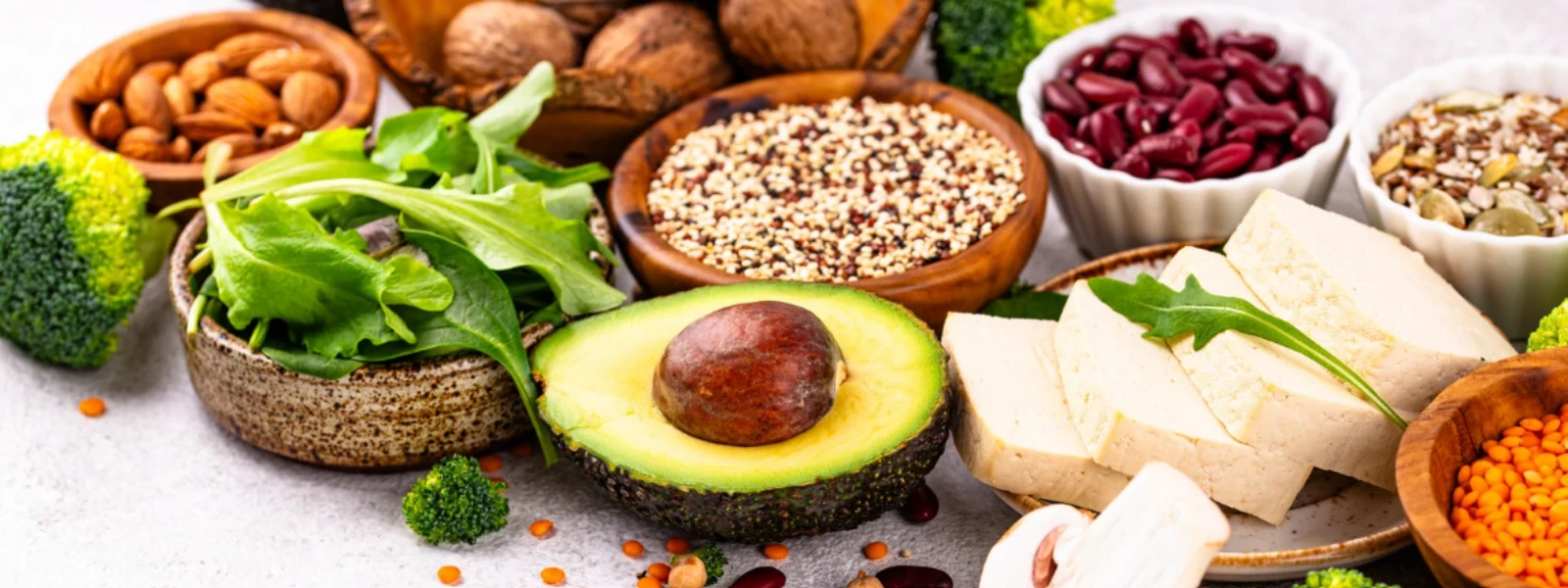
Healthy fats from nuts, seeds, and avocados support hormone production and provide sustained energy. While fats have a lower thermic effect than protein, they're essential for optimal metabolic function and nutrient absorption.
Cold water can temporarily boost metabolism as your body works to warm it to body temperature. Drinking 16 ounces of cold water can increase metabolic rate by 10-30% for 30-40 minutes.
Physical activity is one of the most effective ways to increase metabolic rate both during and after exercise. Different types of exercise provide unique metabolic benefits that complement each other for optimal results.
Strength training builds lean muscle mass, which increases your resting metabolic rate. Each workout session also creates an afterburn effect, where your metabolism remains elevated for hours post-exercise. Focus on compound movements like squats, deadlifts, and pull-ups that work multiple muscle groups simultaneously.
High-intensity interval training alternates between intense bursts and recovery periods, creating a significant metabolic boost. HIIT workouts can increase metabolism for up to 24 hours after exercise, burning more calories than steady-state cardio in less time.
Non-exercise activity thermogenesis includes all movement outside of formal exercise, from walking to work to fidgeting at your desk. NEAT can account for 15-30% of total daily energy expenditure and varies significantly between individuals.
Simple strategies to increase NEAT include taking stairs instead of elevators, parking farther away, using a standing desk, and taking walking meetings. These small changes can add up to hundreds of extra calories burned daily.
Your daily habits significantly impact metabolic function beyond diet and exercise. Creating an environment that supports healthy metabolism requires attention to sleep, stress, and other lifestyle factors.
Quality sleep is crucial for metabolic health. During sleep, your body produces growth hormone, repairs muscle tissue, and regulates hunger hormones. Aim for 7-9 hours of consistent, quality sleep to support optimal metabolic function.
Chronic stress elevates cortisol levels, which can slow metabolism and promote fat storage, particularly around the midsection. Stress management techniques like meditation, deep breathing, and regular relaxation can help maintain healthy cortisol levels.
Proper hydration supports all metabolic processes, including nutrient transport and waste removal. Even mild dehydration can slow metabolic rate by 2-3%. Aim for half your body weight in ounces of water daily, plus additional fluid during exercise.
Regular meal timing helps maintain stable blood sugar and prevents metabolic slowdown associated with prolonged fasting. Eating every 3-4 hours provides consistent fuel for metabolic processes without overwhelming your digestive system.
While whole foods should be your primary source of nutrients, certain natural supplements can support metabolic function when used appropriately. Understanding which supplements have scientific backing helps you make informed choices.
Green tea extract contains concentrated catechins and caffeine that can boost metabolism by 4-5%. The combination of these compounds works synergistically to enhance fat oxidation and energy expenditure.
High-quality protein supplements can help meet daily protein needs, especially for active individuals. Whey protein has a high thermic effect and supports muscle protein synthesis, contributing to metabolic health.
Magnesium plays a crucial role in over 300 enzymatic reactions, including those involved in energy metabolism. Adequate magnesium levels support proper insulin function, muscle contraction, and cellular energy production.
Many people don't get enough magnesium from food alone, making supplementation beneficial for metabolic support. Look for highly absorbable forms like magnesium glycinate or citrate.
Initial metabolic improvements can be noticed within 2-4 weeks of consistent lifestyle changes. Significant changes in resting metabolic rate typically occur after 8-12 weeks of regular strength training and proper nutrition. The key is consistency with evidence-based strategies rather than expecting overnight results.
While no single food dramatically transforms metabolism, certain foods do provide measurable benefits. Protein-rich foods can increase metabolic rate by 20-30% for several hours due to their high thermic effect. Spicy foods containing capsaicin can boost metabolism by 5-10% temporarily. The cumulative effect of choosing metabolism-supporting foods throughout the day can make a meaningful difference.
Yes, drinking cold water does provide a small metabolic boost. Your body burns approximately 8 calories warming 8 ounces of cold water to body temperature. While this isn't a major calorie burner, staying well-hydrated supports all metabolic processes and can contribute to overall energy expenditure when practiced consistently.
True metabolic disorders are relatively rare, affecting less than 5% of the population. Most people who believe they have a slow metabolism actually have lifestyle factors that suppress metabolic function, such as chronic dieting, insufficient protein intake, lack of muscle mass, or poor sleep quality. These factors are modifiable through appropriate interventions.
The most common mistake is severely restricting calories, which actually slows metabolism as your body adapts to conserve energy. Extreme dieting can reduce metabolic rate by 10-40%. Instead, focus on eating adequate protein, maintaining muscle mass through strength training, and creating a moderate calorie deficit if weight loss is the goal.
Boosting metabolism naturally requires a comprehensive approach that addresses nutrition, exercise, and lifestyle factors. The most effective strategies include eating adequate protein, building muscle through strength training, staying hydrated, getting quality sleep, and managing stress levels. Remember that sustainable metabolic improvements take time and consistency rather than quick fixes. By implementing these science-backed approaches, you can optimize your metabolic health and support your long-term wellness goals. Consider exploring natural supplements and whole food options that align with your individual needs and health objectives.


Someone sent you
Error
Powered by ReferRush


