How to Craft Delicious Weight Loss Dinner Recipes at Home?
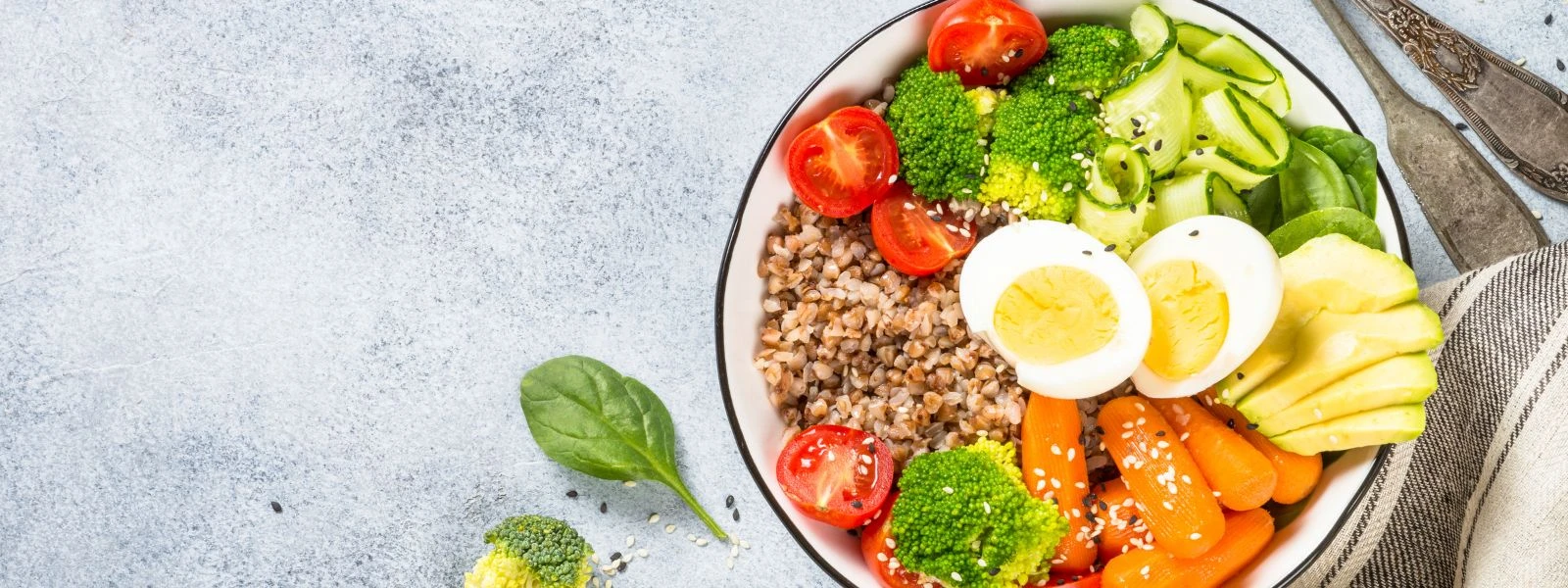


Creating satisfying dinners while working toward weight loss goals often feels like an impossible balance. Many people struggle with bland, restrictive meals that leave them hungry and unsatisfied by bedtime. The good news is that you can craft delicious weight loss dinner recipes that actually support your metabolism and keep you feeling full throughout the evening.
The key lies in understanding how to combine the right ingredients, portions, and cooking methods to create meals that taste amazing while supporting your weight management journey. This guide will show you exactly how to prepare nutritious dinner options for weight loss that your whole family will enjoy.
Your evening meal plays a crucial role in your weight management success. Research shows that eating a balanced dinner helps regulate your metabolism overnight and supports better sleep quality, both essential for healthy weight loss.
Eating dinner 2-3 hours before bedtime allows your body to properly digest food while maintaining steady blood sugar levels. This timing prevents late-night cravings and supports your body's natural fat-burning processes during sleep.
Successful weight loss dinner recipes typically contain 25-30% protein, 40-45% vegetables, and 25-30% complex carbohydrates. This balance helps you feel satisfied while providing sustained energy and supporting muscle maintenance during weight loss.
Protein is your best friend when creating healthy dinner recipes for weight loss. It increases satiety, boosts metabolism through the thermic effect of food, and helps preserve lean muscle mass. Aim for 20-30 grams of protein per dinner serving.
Excellent protein sources include grilled chicken breast, fish, eggs, tofu, and legumes. These ingredients form the foundation of satisfying low-calorie dinner recipes for weight loss.
Non-starchy vegetables should fill half your plate. They provide essential nutrients, fiber, and volume with minimal calories. This strategy helps you feel full while naturally reducing calorie density.
Choose complex carbohydrates that provide steady energy without blood sugar spikes. Quinoa, brown rice, sweet potatoes, and cauliflower rice make excellent bases for simple dinner recipes for weight loss.
Did You Know?
Eating adequate protein at dinner can increase your metabolic rate by 15-30% for several hours after eating. This thermic effect means your body burns more calories just digesting and processing protein-rich meals.
Build your dinner around high-quality protein sources. Grilled chicken with roasted vegetables, baked fish with steamed broccoli, or tofu stir-fry with mixed vegetables create satisfying, delicious weight loss dinner meals.
These protein-rich options help maintain muscle mass while creating the calorie deficit needed for weight loss. Season generously with herbs and spices to enhance flavor without adding calories.
Vegetable-centric quick weight loss dinner recipes can be incredibly satisfying when prepared thoughtfully. Try zucchini noodles with turkey meatballs, cauliflower rice bowls, or stuffed bell peppers with lean ground turkey.
Indian-inspired vegetarian options like dal with vegetables or spiced chickpea curry provide plant-based protein while delivering bold flavors that make weight loss feel sustainable.
Replace refined grains with nutrient-dense alternatives. Cauliflower rice reduces calories by 85% compared to white rice, while quinoa provides complete protein and fiber. Sweet potato cubes add natural sweetness and beta-carotene to any meal.
Create weight loss friendly dinner menus by combining all food groups in single bowls. Think grilled salmon over mixed greens with roasted sweet potato cubes, or chicken and vegetable curry over cauliflower rice.
Certain spices naturally support metabolism and add incredible flavor to dinner recipes to support weight loss. Turmeric, ginger, cayenne pepper, and cinnamon all have thermogenic properties that may help boost calorie burning.
Create spice blends using cumin, coriander, turmeric, and black pepper for Indian-inspired flavors that transform simple ingredients into exciting meals.
Easy weight loss dinner ideas don't require hours in the kitchen. Sheet pan meals, one-pot dishes, and 20-minute stir-fries can deliver nutrition and flavor efficiently.
Batch cooking proteins and vegetables on weekends makes weeknight dinner assembly quick and effortless.
Plan your week by selecting 4-5 base recipes and rotating proteins and vegetables. This approach prevents boredom while simplifying grocery shopping and meal prep.
Prepare proteins, chop vegetables, and cook grains in batches. Store components separately and combine them fresh each evening for optimal taste and texture.
Use the plate method: fill half with non-starchy vegetables, one quarter with lean protein, and one quarter with complex carbohydrates. This visual guide eliminates the need for complicated calorie counting while ensuring balanced nutrition.
Shop the perimeter of the store first, focusing on fresh proteins, vegetables, and whole grains. Keep a running list of go-to ingredients that work across multiple recipes to streamline shopping and reduce food waste.
Cooking oils, salad dressings, and sauces can quickly add unnecessary calories. Use cooking spray, measure oils carefully, and create flavor with herbs, spices, and citrus instead of high-calorie condiments.
Even healthy foods can sabotage weight loss goals when portions are too large. Use smaller plates, measure portions initially until you develop an eye for appropriate serving sizes, and eat slowly to recognize satiety signals.
Perfectionism often leads to giving up entirely. If you have a higher-calorie dinner, simply return to your healthy eating plan the next meal rather than abandoning your goals completely.
The best dinner combines lean protein, plenty of non-starchy vegetables, and a moderate portion of complex carbohydrates. Examples include grilled chicken with roasted vegetables and quinoa, or fish with steamed broccoli and sweet potato.
Use herbs, spices, citrus, and vinegar to add flavor without calories. Garlic, ginger, turmeric, basil, and oregano transform simple ingredients. Marinating proteins and roasting vegetables caramelizes natural sugars for enhanced taste.
Many Indian recipes are excellent for weight loss when prepared with minimal oil and paired with vegetables. Dal, tandoori preparations, and vegetable curries provide protein, fiber, and metabolism-boosting spices while delivering satisfying flavors.
Limit refined carbohydrates, fried foods, and sugary beverages. Also avoid eating large portions or dining too close to bedtime, which can interfere with sleep and metabolism.
Rotate between 8-10 different recipes to prevent boredom while maintaining consistency. This variety ensures you get diverse nutrients while keeping meal planning manageable and sustainable long-term.
Conclusion
Creating delicious weight loss dinner recipes at home doesn't require sacrificing flavor or satisfaction. By focusing on lean proteins, abundant vegetables, and smart preparation methods, you can enjoy meals that support your goals while pleasing your taste buds. The key is finding balance between nutrition and enjoyment, making sustainable choices that fit your lifestyle. Start with simple recipes and gradually expand your repertoire as you discover what works best for your preferences and schedule. Remember that successful weight management comes from consistent, enjoyable habits rather than restrictive rules that are difficult to maintain long-term.


Someone sent you
Error
Powered by ReferRush


