How to Find the Best Creatine Food Sources for Muscle Growth?
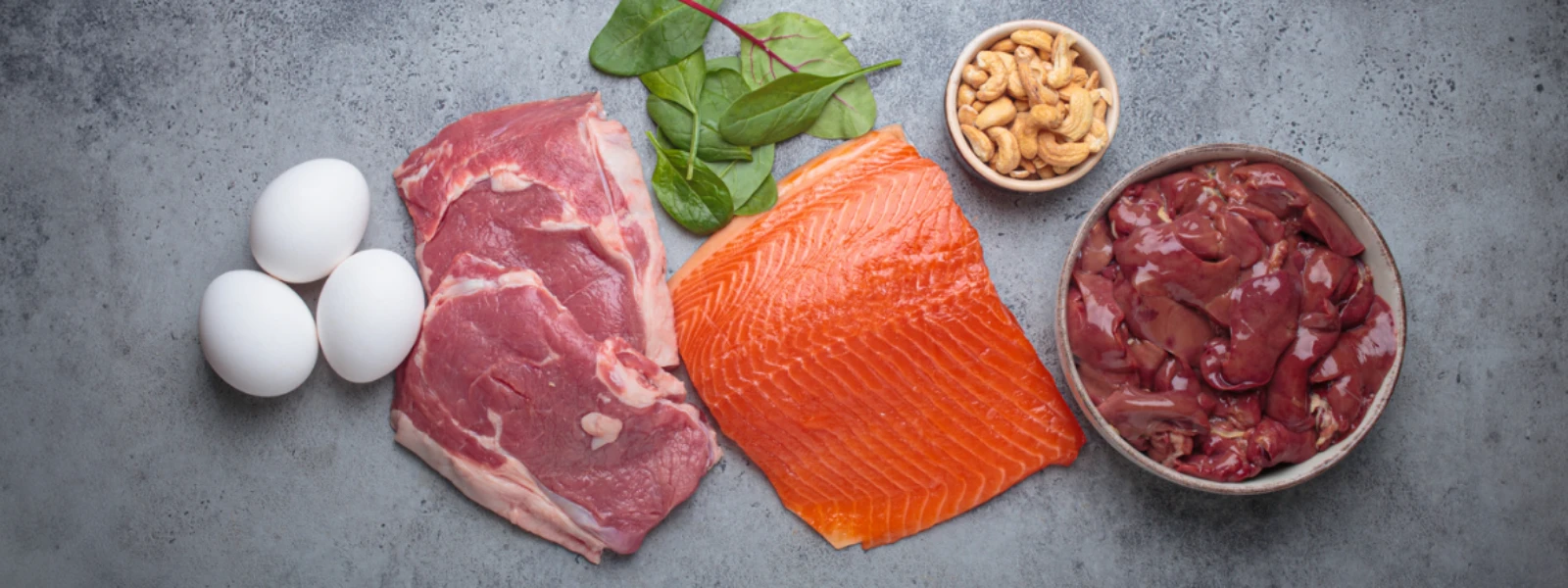


Your muscles need fuel to grow stronger, and creatine plays a crucial role in this process. While many fitness enthusiasts turn to supplements, nature provides abundant creatine food sources that can support your muscle-building goals. Understanding which foods contain the highest levels of creatine and how to incorporate them into your diet can help you optimize your energy metabolism and muscle development naturally.
This comprehensive guide will explore the best natural creatine sources, compare their effectiveness to supplements, and provide practical strategies for maximizing creatine absorption from food. Whether you're an athlete looking to enhance performance or someone focused on building lean muscle mass, you'll discover how to make informed choices about your creatine in diet approach.
Creatine is a naturally occurring compound found primarily in muscle tissue. Your body produces about half of its creatine needs, while the other half comes from dietary sources. This molecule serves as a rapid energy source during high-intensity activities, making it essential for muscle contractions and growth.
When you consume foods rich in creatine, your muscles store it as phosphocreatine. During intense exercise, this stored energy helps regenerate ATP (adenosine triphosphate), the primary energy currency of cells. This process supports sustained muscle performance and creates optimal conditions for muscle protein synthesis.
Research shows that adequate creatine levels can increase muscle strength by 5-15% and boost high-intensity exercise performance by up to 30%. The typical adult needs approximately 2-3 grams of creatine daily to maintain optimal muscle stores, with athletes and active individuals requiring higher amounts.
Your muscles rely on three energy systems during exercise. The phosphocreatine system provides immediate energy for the first 10-15 seconds of high-intensity activity. Having adequate creatine stores ensures this system functions optimally, allowing you to maintain power output during crucial training moments.
This enhanced energy availability translates to better workout quality, increased training volume, and ultimately superior muscle growth outcomes. The connection between dietary creatine intake and performance improvements makes understanding natural sources particularly valuable for fitness-focused individuals.
Animal products contain the highest concentrations of naturally occurring creatine. These foods provide readily available creatine that your body can efficiently absorb and utilize for muscle growth and energy production.
Beef stands out as one of the richest creatine food sources available. A 100-gram serving of raw beef contains approximately 0.5 grams of creatine, making it an excellent choice for those seeking to increase their natural creatine intake. Lean cuts like sirloin and tenderloin provide substantial creatine content while maintaining favorable protein-to-fat ratios.
Pork offers similar creatine levels to beef, with lean cuts providing the best value. The creatine content in meat remains relatively stable during cooking, though some loss occurs with prolonged high-heat preparation methods. Grilling, broiling, and pan-searing preserve more creatine compared to boiling or stewing.
Lamb and other red meats also contribute meaningful amounts of creatine to your diet. Wild game meats often contain higher creatine concentrations than domesticated animals due to their more active lifestyles and natural diets.
Certain fish species provide exceptional creatine content alongside high-quality protein and beneficial omega-3 fatty acids. Herring leads the pack with approximately 0.65 grams of creatine per 100 grams, making it one of the best foods for creatine intake.
Salmon, tuna, and cod offer substantial creatine levels while providing additional nutritional benefits. Fresh fish typically contains higher creatine levels than canned varieties, as processing can reduce creatine content. However, canned fish still provides valuable amounts and offers convenience for meal planning.
Cooking methods significantly impact creatine retention in fish. Gentle cooking techniques like steaming, poaching, or light grilling preserve more creatine compared to deep frying or prolonged baking at high temperatures.
Chicken and turkey provide moderate amounts of creatine, with darker meat cuts containing slightly higher levels than white meat. A 100-gram serving of chicken breast contains approximately 0.4 grams of creatine, making poultry a valuable component of a creatine-rich diet.
Eggs contain modest amounts of creatine, primarily in the yolk. While not as concentrated as meat sources, eggs contribute to overall dietary creatine intake and provide essential amino acids that support endogenous creatine production.
Did You Know?
Your body can synthesize creatine from three amino acids: arginine, glycine, and methionine. This process occurs primarily in the liver, kidneys, and pancreas, producing about 1-2 grams daily under normal conditions.
While plants don't contain preformed creatine, they provide amino acid precursors that support your body's natural creatine synthesis. Vegetarians and vegans typically have lower muscle creatine stores compared to omnivores, making understanding these supportive nutrients crucial.
Legumes like lentils, chickpeas, and beans provide arginine and glycine, two of the three amino acids needed for creatine synthesis. Nuts and seeds contribute methionine, the third essential amino acid in this process. Quinoa stands out among plant foods for containing all three amino acids in meaningful amounts.
Soy products offer complete amino acid profiles that support creatine production. However, the efficiency of endogenous creatine synthesis from plant-based precursors is limited compared to consuming preformed creatine from animal sources.
Several factors influence how effectively your body absorbs and utilizes creatine from food sources. Understanding these variables helps maximize the benefits of your dietary creatine intake.
Consuming creatine-rich foods with carbohydrates can enhance uptake through increased insulin response. This hormone helps transport creatine into muscle cells more efficiently. Timing your creatine-containing meals around workouts may also improve utilization.
Adequate hydration is essential for optimal creatine function. Creatine draws water into muscle cells, supporting the volumization that contributes to growth and performance benefits. Maintaining proper fluid balance ensures this process occurs effectively.
While natural creatine sources provide valuable nutrition, achieving optimal creatine levels through food alone can be challenging. Most research on creatine benefits uses supplemental doses of 3-5 grams daily, which would require consuming large amounts of meat or fish.
Supplements offer superior ingredients, highly absorbable formats, and palatable flavors that make reaching therapeutic doses more practical. However, combining moderate supplementation with creatine-rich foods provides a balanced approach that supports overall nutrition while meeting creatine needs.
The bioavailability of creatine from food sources is generally good, but the concentration is relatively low compared to supplements. This makes food sources excellent for baseline creatine maintenance while supplements can help achieve performance-enhancing levels.
Red meat, particularly beef and pork, contains the highest natural creatine levels at approximately 0.5 grams per 100 grams. Herring provides even higher concentrations at 0.65 grams per 100 grams, making it the top creatine food source. Other excellent options include salmon, tuna, chicken, and turkey.
While possible, meeting optimal creatine levels through food alone requires consuming substantial amounts of animal products daily. A typical omnivorous diet provides 1-2 grams of creatine daily, which maintains baseline levels but may not optimize performance benefits that require 3-5 grams daily.
Yes, cooking methods can impact creatine levels. High-heat, prolonged cooking methods like boiling or stewing can reduce creatine content by 10-30%. Gentler methods such as grilling, steaming, or light sautéing preserve more creatine while still ensuring food safety.
Plants do not contain preformed creatine, but they provide amino acid precursors that support your body's natural creatine synthesis. Legumes, nuts, seeds, and quinoa supply arginine, glycine, and methionine, which your body uses to produce creatine endogenously.
To obtain 5 grams of creatine from food alone, you would need to consume approximately 1 kilogram (2.2 pounds) of raw beef daily. This amount is impractical and would provide excessive calories and protein, making supplementation a more reasonable approach for achieving therapeutic creatine levels.
Natural creatine food sources provide valuable nutrition while supporting your muscle-building goals. Red meat, fish, and poultry offer the highest concentrations of dietary creatine, with proper preparation methods helping preserve these levels. While achieving optimal creatine intake through food alone presents practical challenges, incorporating creatine-rich foods into a balanced diet supports overall health and provides a foundation for muscle growth. Understanding both the benefits and limitations of natural sources helps you make informed decisions about combining dietary creatine with targeted supplementation to meet your specific fitness and performance objectives.


Someone sent you
Error
Powered by ReferRush


