How to Make Ayurvedic Kadha: A Step-by-Step Tutorial
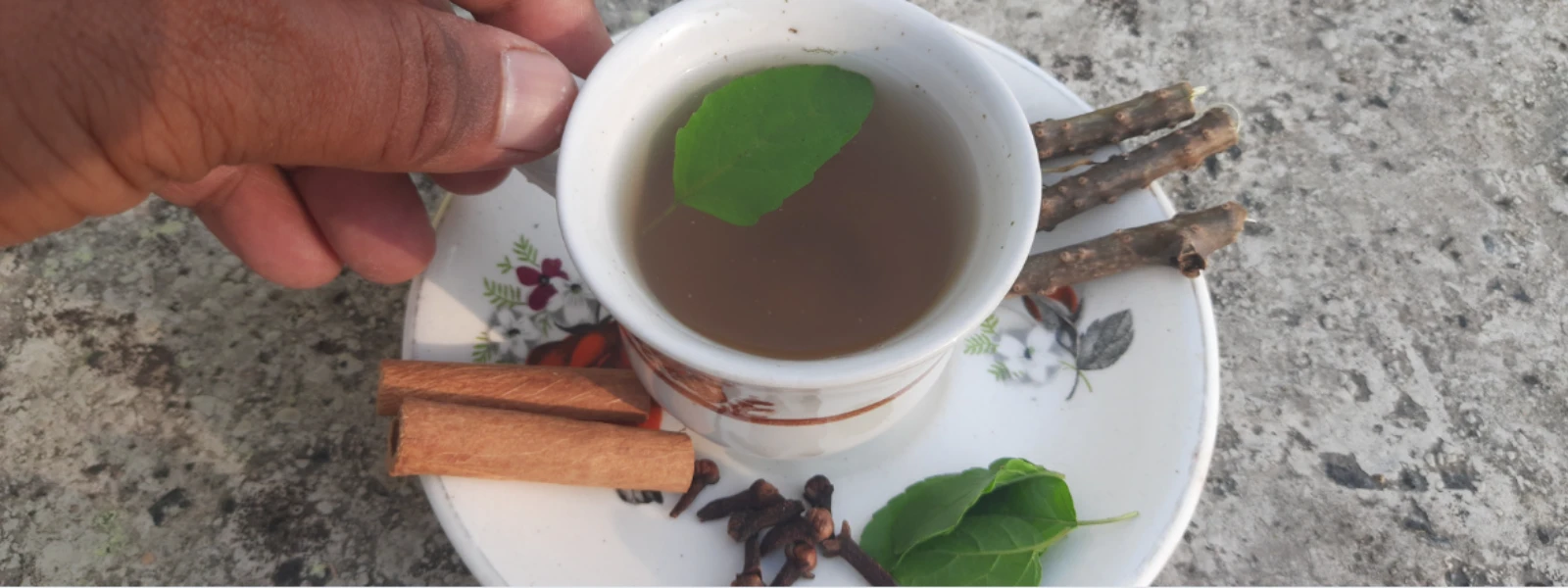


In the world of traditional wellness practices, few remedies are as time-tested and versatile as kadha. This aromatic herbal concoction has been a cornerstone of Ayurvedic medicine for thousands of years, offering a natural approach to supporting overall health and vitality. Whether you're seeking to boost your immunity, support your metabolism, or simply embrace a more holistic lifestyle, learning to prepare authentic ayurvedic kadha can be a transformative addition to your daily routine.
This comprehensive guide will walk you through the art of kadha preparation, from understanding its ancient roots to mastering the perfect blend of herbs and spices. You'll discover various kadha recipes tailored to specific health goals, learn about the science behind its benefits, and gain practical insights into making this powerful herbal brew a part of your wellness journey.
Kadha is fundamentally a decoction - a concentrated liquid extract obtained by boiling herbs, spices, and other natural ingredients in water. The word 'kadha' comes from the Sanskrit term 'kwatha,' which means 'to boil.' This ancient preparation method ensures that the active compounds from various herbs are effectively extracted and concentrated into a potent, easily digestible form.
Unlike simple herbal teas, kadha involves a more intensive extraction process that typically requires simmering ingredients for 15-20 minutes. This extended heating process breaks down cell walls in the herbs and spices, releasing their essential oils, antioxidants, and other bioactive compounds that might not be fully accessible through brief steeping methods.
In Ayurvedic medicine, kadha represents more than just a health drink - it embodies the principle of using food as medicine. Ayurveda recognizes that different combinations of herbs and spices can influence the body's three doshas: Vata (air and space), Pitta (fire and water), and Kapha (earth and water). A well-prepared herbal kadha can help balance these energies and support the body's natural healing processes.
Traditional Ayurvedic texts describe kadha as one of the most effective ways to deliver therapeutic compounds to the body. The liquid form allows for rapid absorption, while the combination of multiple ingredients creates synergistic effects that can be more powerful than individual herbs used alone.
The beauty of kadha lies in its adaptability, but certain ingredients form the foundation of most traditional recipes. Ginger stands as perhaps the most important base ingredient, offering anti-inflammatory properties and digestive support. Fresh ginger root contains gingerol, a compound that has been extensively studied for its ability to support immune function and reduce inflammation.
Tulsi, or holy basil, brings both spiritual significance and practical health benefits to kadha preparation. This revered herb contains compounds like eugenol and rosmarinic acid, which may help the body manage stress and support respiratory health. Black pepper adds more than just flavor - its active compound piperine enhances the absorption of other nutrients and may support metabolism.
Cloves contribute powerful antioxidants and antimicrobial properties through compounds like eugenol. These aromatic flower buds have been traditionally used to support oral health and may help with digestive comfort.
Cinnamon bark adds natural sweetness while potentially supporting healthy blood sugar levels. Its warming properties make it particularly valuable in kadha recipes designed for colder months or individuals with Vata imbalances.
Turmeric, with its active compound curcumin, brings anti-inflammatory properties that have been extensively researched. When combined with black pepper, turmeric's bioavailability increases significantly, making kadha an ideal delivery method for this golden spice.
Coriander seeds offer a subtle, citrusy flavor while potentially supporting digestive health. Licorice root can add natural sweetness and may help soothe the throat and respiratory system.
Did You Know?
The synergistic effect of combining multiple herbs in kadha can be more powerful than using individual ingredients alone. This principle, known as 'polyherbal formulation' in Ayurveda, maximizes the therapeutic potential while minimizing potential side effects.
Before beginning kadha preparation, ensure you have a heavy-bottomed saucepan or traditional clay pot, which distributes heat evenly and prevents burning. A fine-mesh strainer is essential for removing herb particles, while a wooden spoon helps with stirring without reactive metals interfering with the herbs.
For a basic immunity-boosting kadha serving 2-3 people, gather: 2 cups of water, 1-inch piece of fresh ginger (crushed), 8-10 fresh tulsi leaves, 4-5 black peppercorns, 2-3 cloves, 1-inch piece of cinnamon stick, and 1 teaspoon of turmeric powder.
Begin by bringing water to a rolling boil in your chosen vessel. Add the harder spices first - cinnamon, cloves, and black peppercorns - as these require longer extraction times. Allow these to simmer for 3-4 minutes before adding ginger and turmeric.
Reduce heat to medium-low and continue simmering for 10-12 minutes. The liquid should reduce by approximately one-third during this process, concentrating the active compounds. Add tulsi leaves during the final 2-3 minutes of cooking to preserve their delicate volatile oils.
The kadha is ready when it develops a deep golden-brown color and releases a strong, aromatic fragrance. The final volume should be roughly two-thirds of your starting liquid.
Remove the kadha from heat and allow it to cool slightly for 2-3 minutes. Strain through a fine-mesh strainer, pressing the solid ingredients gently to extract remaining liquid without forcing particles through.
Serve the kadha warm, not scalding hot, to preserve heat-sensitive compounds and ensure comfortable consumption. Natural sweeteners like honey or jaggery can be added after the kadha has cooled to below 40°C to preserve honey's beneficial enzymes.
For enhanced immune support, this immunity boosting kadha combines traditional ingredients with specific proportions optimized for seasonal wellness. Use 2 cups water, 1-inch ginger piece, 1 teaspoon turmeric, 6-8 tulsi leaves, 4 black peppercorns, 3 cloves, 1 cinnamon stick, and 1 teaspoon crushed coriander seeds.
This combination provides a broad spectrum of antioxidants and compounds that may support the body's natural defense mechanisms. The higher coriander seed content adds digestive support, which is crucial for nutrient absorption and overall immunity.
A kadha for weight loss and metabolism support emphasizes warming spices that may help increase thermogenesis. Combine 2 cups water, 1-inch ginger, 1/2 teaspoon turmeric, 5-6 black peppercorns, 2-3 cloves, 1 cinnamon stick, and 1 teaspoon fennel seeds.
This variation focuses on spices traditionally believed to support digestive fire (agni) and metabolism. The fennel seeds add a pleasant licorice-like flavor while potentially supporting healthy digestion and reducing bloating.
During colder months, increase warming spices like ginger, cinnamon, and black pepper. Summer variations might include cooling herbs like mint or reduce the quantity of heating spices while adding ingredients like coriander that have a cooling effect according to Ayurvedic principles.
The timing of kadha consumption can significantly impact its effectiveness. Morning consumption on an empty stomach allows for maximum absorption, while evening kadha can be soothing and supportive for nighttime recovery processes.
For general wellness, consuming kadha 3-4 times per week provides consistent benefits without overwhelming the system. During seasonal transitions or periods of increased stress, daily consumption for 7-10 days can provide additional support.
Kadha works synergistically with other healthy lifestyle practices. Combining kadha consumption with adequate sleep, regular physical activity, and stress management techniques can amplify its benefits. The warming nature of most kadha recipes makes them particularly beneficial when consumed during meditation or yoga practices.
Consider kadha as part of a broader wellness routine rather than a standalone solution. Its benefits are most pronounced when integrated into a holistic approach to health that includes proper nutrition, regular exercise, and stress management.
While kadha is generally safe for most people, certain kadha side effects should be considered. The concentrated nature of herbal decoctions means that effects can be more pronounced than with simple teas. Some individuals may experience mild digestive upset when first introducing kadha, particularly if consumed on an empty stomach.
Warming spices like ginger and black pepper can cause gastric irritation in sensitive individuals or those with existing digestive conditions. Starting with smaller quantities and gradually increasing can help assess individual tolerance.
Pregnant and lactating women should consult healthcare providers before incorporating new herbal preparations into their routines. Some kadha ingredients may not be appropriate during these periods, and professional guidance ensures safety for both mother and child.
Individuals with chronic health conditions, particularly those affecting blood sugar, blood pressure, or taking medications that affect blood clotting, should seek professional advice before regularly consuming kadha.
The effectiveness and safety of kadha depend significantly on ingredient quality. Whenever possible, choose organic, fresh herbs and spices from reputable sources. Proper storage of ingredients maintains their potency and prevents contamination.
Kadha is typically made from a combination of herbs and spices including ginger, tulsi, black pepper, cloves, cinnamon, and turmeric. These ingredients are simmered in water for 15-20 minutes to create a concentrated herbal decoction that extracts the beneficial compounds from each ingredient.
Traditional kadha recipes often include ingredients like ginger, tulsi, and cloves, which have been used historically to support respiratory comfort. However, persistent cough should be evaluated by a healthcare professional, and kadha should be considered a supportive practice rather than a primary treatment.
The optimal time for kadha consumption is typically in the morning on an empty stomach for maximum absorption, or in the evening as part of a calming routine. Some people prefer consuming kadha during seasonal transitions or when they feel they need additional wellness support.
Kadha ingredients like turmeric, ginger, and tulsi contain various compounds including antioxidants and other bioactive substances that may support the body's natural defense mechanisms. The synergistic combination of multiple herbs may provide broader support than individual ingredients alone.
For most people, consuming kadha 3-4 times per week is appropriate for general wellness. Daily consumption can be beneficial during certain periods like seasonal changes, but long-term daily use should be discussed with an Ayurvedic practitioner or healthcare provider to ensure it aligns with individual health needs.
Mastering the art of kadha preparation opens a gateway to ancient wellness wisdom that remains remarkably relevant in our modern world. This traditional herbal decoction offers a natural, gentle approach to supporting overall health while connecting us to thousands of years of Ayurvedic knowledge. From basic immunity-supporting blends to specialized formulations for metabolism support, kadha provides versatility that can adapt to individual needs and seasonal requirements.
The beauty of kadha lies not just in its potential health benefits, but in the mindful ritual of preparation and consumption it encourages. Taking time to carefully select ingredients, slowly simmer the herbs, and mindfully consume this warming brew can become a daily practice of self-care and wellness awareness. As you explore different kadha recipes and discover which combinations work best for your body and lifestyle, remember that consistency and quality ingredients are key to experiencing the full potential of this ancient practice.
Whether you're beginning your journey into Ayurvedic wellness or looking to deepen your existing practice, kadha offers an accessible, practical way to incorporate traditional wisdom into contemporary life. Start with simple recipes, pay attention to how your body responds, and gradually explore more complex combinations as you become more comfortable with this time-honored tradition.


Someone sent you
Error
Powered by ReferRush


