Master Your Fiber: Ultimate Constipation Relief Guide
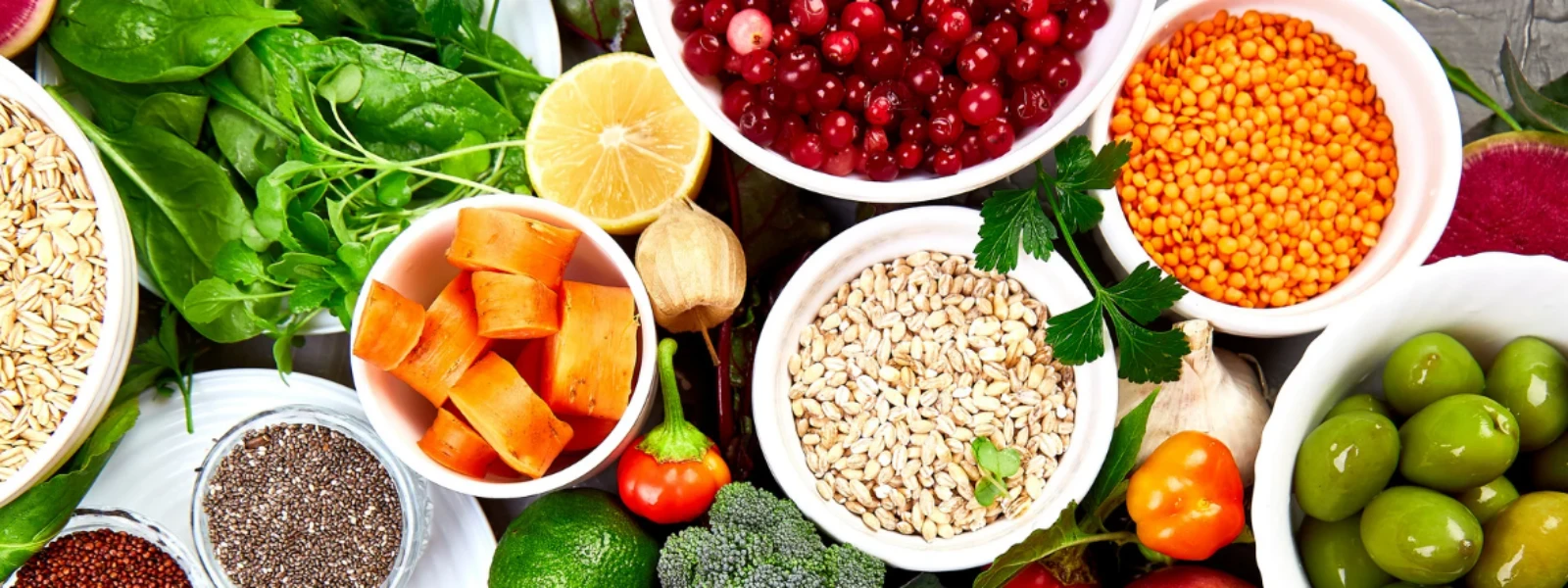


Constipation affects millions of people worldwide, causing discomfort and disrupting daily life. While many reach for over-the-counter solutions, the answer often lies in your kitchen. A well-planned high fiber foods chart for constipation can transform your digestive health naturally and effectively.
This comprehensive guide will walk you through the science of fiber, provide detailed charts of the most effective high fiber foods, and show you how to create a sustainable constipation diet that works. You'll discover which foods for constipation relief offer the fastest results and learn to build meals that keep your digestive system running smoothly.
Not all fiber works the same way in your digestive system. Understanding the difference between soluble and insoluble fiber helps you choose the right foods for constipation relief.
Soluble fiber dissolves in water to form a gel-like substance. This type of fiber softens stool and makes it easier to pass. Foods rich in soluble fiber include oats, beans, apples, and citrus fruits. When you eat these fiber rich foods, they absorb water in your intestines and create bulk that stimulates bowel movements.
Insoluble fiber doesn't dissolve in water. Instead, it adds bulk to stool and helps food move through your digestive system faster. Whole grains, nuts, and vegetables provide this type of fiber. Think of insoluble fiber as nature's broom, sweeping waste through your intestines.
Adults need 25 to 35 grams of fiber daily for optimal digestive health. Most people only get half this amount. Gradually increasing your fiber intake prevents bloating and gas while improving bowel regularity.
This detailed chart shows the fiber content of the most effective foods for gut health. Use these numbers to plan meals that meet your daily fiber goals.
Legumes pack more fiber per serving than almost any other food group. They combine both soluble and insoluble fiber for maximum digestive benefits.
Lentils (cooked): 15 grams per cup
Split peas (cooked): 16 grams per cup
Black beans (cooked): 15 grams per cup
Chickpeas (cooked): 12 grams per cup
Navy beans (cooked): 19 grams per cup
These natural laxatives work within 12 to 24 hours when eaten regularly. Start with half-cup servings and increase gradually.
Fruits provide fiber along with water and natural sugars that support digestive health. Always eat fruits with their skin when possible for maximum fiber content.
Pears (with skin): 10 grams per large fruit
Apples (with skin): 4.5 grams per medium fruit
Prunes: 12 grams per cup
Raspberries: 8 grams per cup
Kiwi fruit: 5 grams per large fruit
Prunes deserve special mention as one of the most effective natural laxatives. They contain sorbitol, a natural sugar that draws water into the intestines and stimulates bowel movements.
Vegetables provide insoluble fiber that adds bulk to stool. Cooking vegetables slightly can make their fiber easier to digest while maintaining nutritional benefits.
Artichokes: 10 grams per medium artichoke
Broccoli (cooked): 5 grams per cup
Brussels sprouts: 4 grams per cup
Sweet potatoes (with skin): 4 grams per medium potato
Carrots (cooked): 5 grams per cup
Whole grains provide steady fiber throughout the day. Choose minimally processed options for the highest fiber content.
Oats (dry): 4 grams per half cup
Quinoa (cooked): 5 grams per cup
Brown rice (cooked): 3.5 grams per cup
Bran cereal: 10 grams per half cup
Whole wheat bread: 3 grams per slice
Did You Know?
Fiber needs water to work effectively. For every gram of fiber you eat, drink an extra 8 ounces of water. This prevents fiber from causing constipation instead of relieving it.
Some foods offer extra benefits beyond their fiber content. These natural laxatives contain compounds that specifically stimulate bowel movements.
Prunes contain sorbitol, a natural sugar alcohol that draws water into the intestines. Three to four prunes provide about 3 grams of fiber plus sorbitol for gentle laxative effects. Prune juice works faster but provides less fiber.
These tiny seeds expand when mixed with water, creating a gel that lubricates the intestines. One tablespoon of ground flaxseed provides 3 grams of fiber. Soak chia seeds in water for 10 minutes before eating for best results.
Kiwi contains actinidin, an enzyme that helps break down proteins and stimulates gut motility. Two kiwi fruits daily can improve bowel movement frequency within a week.
Coffee stimulates the muscles in your colon, promoting bowel movements. Warm liquids in general help soften stool and stimulate digestive activity. Herbal teas like ginger or peppermint offer additional digestive benefits.
A healthy gut needs more than just fiber. These foods support the beneficial bacteria that keep your digestive system working smoothly.
Yogurt, kefir, and fermented vegetables provide probiotics that improve gut health. These beneficial bacteria help break down fiber and produce compounds that support regular bowel movements.
Water-rich foods like cucumbers, watermelon, and soups help fiber work more effectively. Adequate hydration prevents hard, difficult-to-pass stools.
Olive oil, avocados, and nuts provide fats that lubricate the intestines and help absorb fat-soluble vitamins. A tablespoon of olive oil can act as a gentle natural laxative.
Processed foods, excessive dairy, and refined grains can worsen constipation. These foods provide little fiber and may slow digestion.
Adding too much fiber too quickly causes bloating, gas, and discomfort. Follow these strategies for a smooth transition to a high fiber diet.
Add 5 grams of fiber every few days until you reach your target. This gives your digestive system time to adjust and prevents uncomfortable side effects.
Drink at least 8 glasses of water daily when increasing fiber intake. Fiber without adequate water can actually worsen constipation.
Spread fiber throughout the day rather than eating large amounts at once. Include fiber-rich foods at each meal and snack for consistent digestive support.
Lightly cooking vegetables makes their fiber easier to digest. Steaming, roasting, or sautéing vegetables breaks down tough fibers while preserving nutrients.
Prunes, lentils, and pears rank among the most effective options. Prunes provide both fiber and sorbitol for gentle laxative effects. Lentils offer 15 grams of fiber per cup, while pears with skin provide 10 grams plus natural fruit sugars that support digestion.
Adults need 25 to 35 grams of fiber daily for optimal digestive health. Start with your current intake and gradually add 5 grams every few days until you reach this target. Track your fiber intake for the first week to ensure you're meeting your goals.
Prune juice provides both fiber and sorbitol for natural laxative effects. Smoothies made with berries, ground flaxseed, and plenty of water offer liquid fiber that's easy to digest. Warm water with lemon in the morning can also stimulate bowel movements.
Most people see improvement within 12 to 24 hours of eating fiber-rich foods. Prunes and other natural laxatives may work faster, while whole grains and vegetables provide longer-term digestive support. Consistency matters more than speed for lasting relief.
Yes, eating more than 40 grams of fiber daily can cause bloating, gas, and interfere with mineral absorption. Increase fiber gradually and drink plenty of water to avoid these side effects. If you experience persistent digestive discomfort, reduce your fiber intake slightly.
A well-planned high fiber foods chart for constipation provides a natural, effective solution for digestive health. By understanding the difference between soluble and insoluble fiber and choosing the right foods for constipation relief, you can improve your bowel regularity without relying on medications. Remember to increase fiber gradually, drink plenty of water, and include a variety of fiber rich foods in your daily meals. With consistent effort and the right dietary choices, you can achieve lasting digestive wellness and improved quality of life.


Someone sent you
Error
Powered by ReferRush


